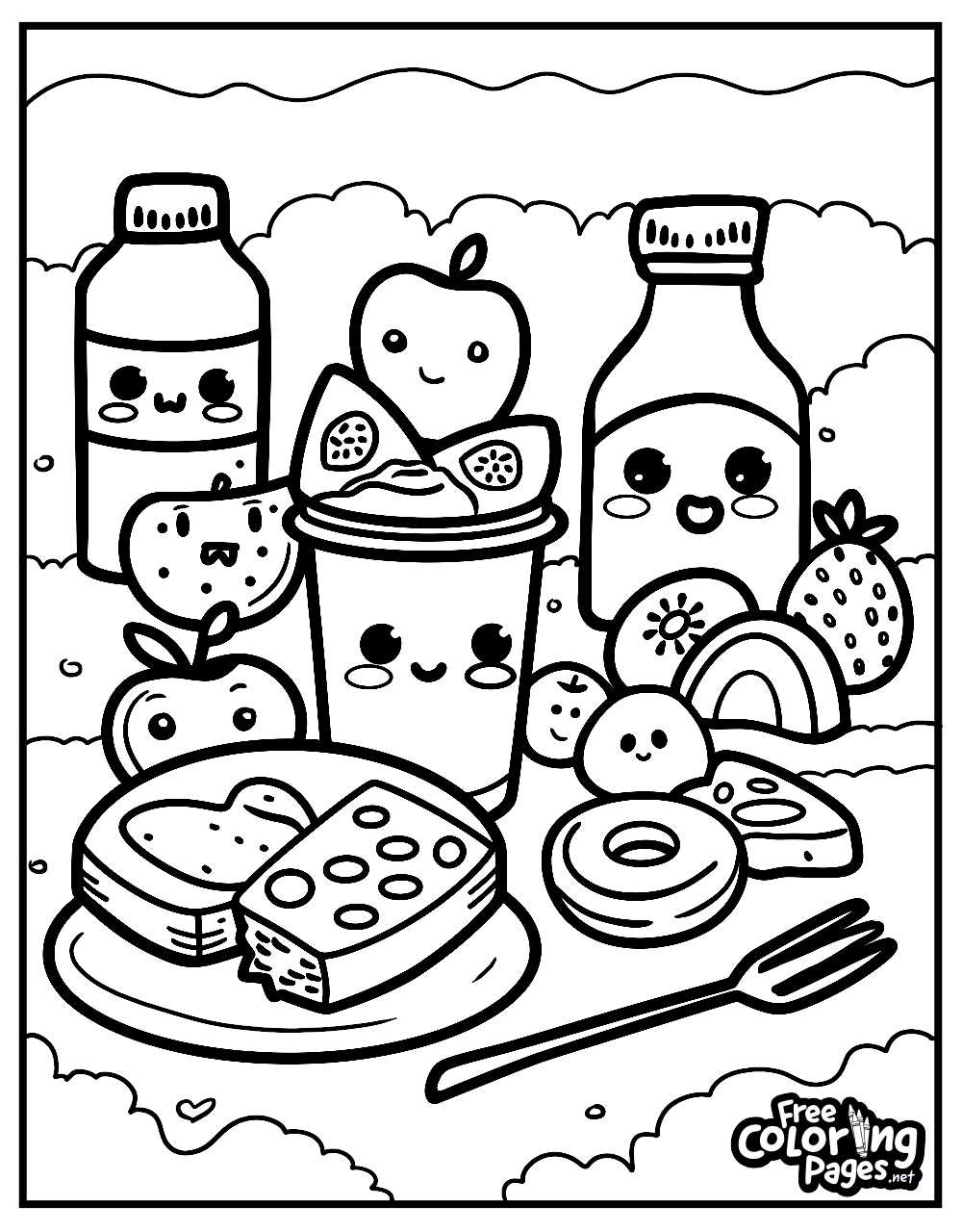
Start by selecting vibrant and engaging outlines that children can easily color. Simple, large images of common foods like fruits, vegetables, and snacks are ideal for younger audiences. These designs help develop fine motor skills and encourage creativity.
For more advanced or adult audiences, opt for intricate designs featuring food-related patterns or scenes. Consider using detailed images of a farmer’s market, cooking ingredients, or elegant plates of food. These offer a more challenging and relaxing activity for those who enjoy artistic expression.
When printing, use high-quality paper to prevent ink from bleeding through and ensure that colors stay vibrant. If you’re planning to frame the finished artwork, choose thick cardstock to create a sturdy, long-lasting piece. For a more professional look, consider printing on textured paper that mimics canvas.
Creative Ideas for Food-Themed Art Projects
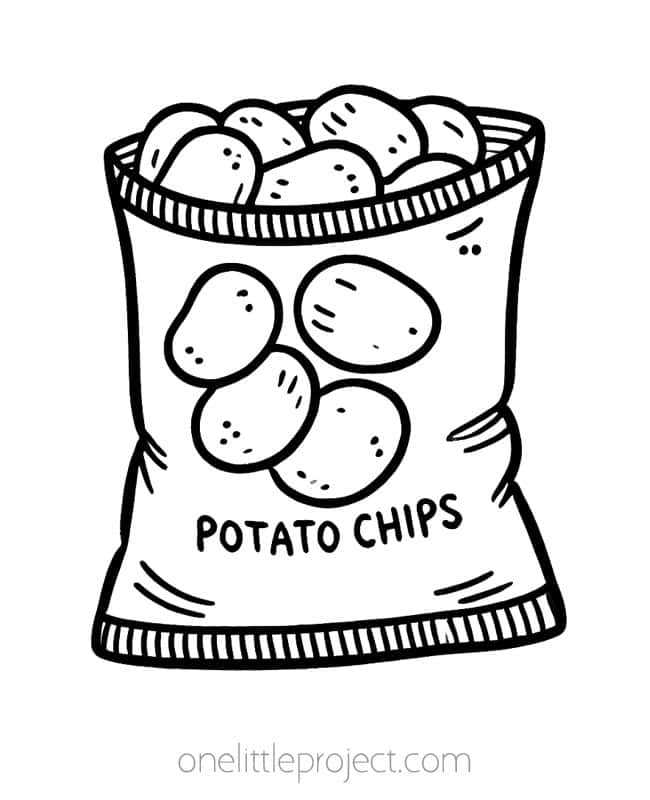
Select images that represent a wide variety of ingredients, dishes, and cooking tools to keep the designs interesting. Common objects like fruits, vegetables, and kitchen utensils can create dynamic scenes for children to explore. Make sure to keep the shapes simple enough for young hands to color, but not too plain to lose engagement.
If you are designing for older kids or adults, consider adding more intricate elements. For example, a beautifully detailed fruit basket or a scene of a busy kitchen can engage the artist’s focus and patience. These more advanced designs not only encourage creativity but also allow for a relaxing activity that lets the mind wander.
To make the experience more engaging, include variety in the designs. You can include patterns, repetitive designs, or even seasonal themes like festive holiday meals. This diversity will make the coloring process enjoyable at different times of the year, especially if the designs align with certain celebrations or seasons.
For an educational twist, offer designs that include both the image and the name of the item being depicted. For example, a picture of a carrot paired with its name can be both fun and informative, helping younger children learn the names of foods while engaging in the creative process.
Printing quality matters when creating these artistic projects. Use thicker paper that can handle various coloring tools like crayons, markers, and colored pencils. Opt for a paper type that won’t absorb the ink too much or cause bleeding, ensuring that your designs stay clean and sharp.
If you’re using more than one coloring medium, like markers and colored pencils, be sure to check the paper’s thickness beforehand. Thin paper may cause ink to bleed, leading to a messy final product. For a more professional result, laminate the final artwork or use high-quality textured paper that mimics the feel of a painting.
When it comes to printing, ensure the images are clear and bold. The finer the details in the image, the more important it is to ensure high-resolution files for a sharp print. Using a printer with high DPI settings will provide the best results, especially when working with more intricate illustrations.
Lastly, after the coloring is completed, consider ways to display the artwork. Frame or hang up the best pieces to showcase the finished products. This not only gives a sense of accomplishment to those involved but also allows for creative expression to shine through in a fun and practical way.
How to Choose the Right Food Coloring Pages for Kids
Select designs that are simple and clear, especially for younger children. Large, bold images of common items like apples, bananas, and cupcakes are easier for little hands to manage. These simple outlines allow kids to focus on color and shape without feeling overwhelmed.
Ensure that the images are age-appropriate. For toddlers or preschoolers, avoid intricate details or very small elements that could be difficult to color. Instead, choose images with wide spaces and fewer elements to keep them engaged and confident in their ability to complete the picture.
Consider using images that reflect the child’s personal interests or preferences. Some kids may enjoy coloring pictures of sweet treats like cookies and cakes, while others might prefer images of fruits, vegetables, or farm animals. Customizing the designs to their tastes will encourage greater participation.
- For younger kids, choose designs with fewer objects or simpler shapes.
- For older kids, consider more detailed illustrations that involve multiple items or scenes.
- Incorporate characters or themes from children’s shows to keep them entertained.
For educational benefits, opt for designs that pair the image with the name of the item. This can teach children not only about colors but also about the foods they’re drawing. For example, an image of a strawberry alongside the word “strawberry” can help reinforce language skills.
Choose designs with clear outlines. Thick, bold lines help young kids stay within the borders and produce neat, tidy results. Avoid thin or faint lines, as they might be difficult to see and color in accurately, especially for beginners.
Finally, consider the complexity of the design relative to the child’s attention span. Shorter, simpler designs may be better for younger children with shorter focus times, while longer, more complex illustrations can keep older children engaged for longer periods.