
Download a high-resolution PDF number grid from 1 to 200 and print it at 100% scale to keep each square evenly spaced and clearly legible.
Formatting a 1–200 Number Table
Use a 10×20 layout with ten numbers per row to maintain consistent sequencing. Set font size between 18–22 pt in a clean sans serif typeface for easy reading across the entire sheet. Keep margins at least 1 cm to prevent trimming during printing.
- Row structure: 1–10, 11–20, continuing to 191–200
- Grid lines: 0.5–1 pt thickness for clarity
- Paper size: A4 or US Letter
- Orientation: Portrait for standard binders
Choose black ink mode to maximize contrast and avoid faint numerals. For repeated classroom handling, use 120 gsm paper or laminate the sheet for durability.
Classroom Activities Using a 1–200 Number Table
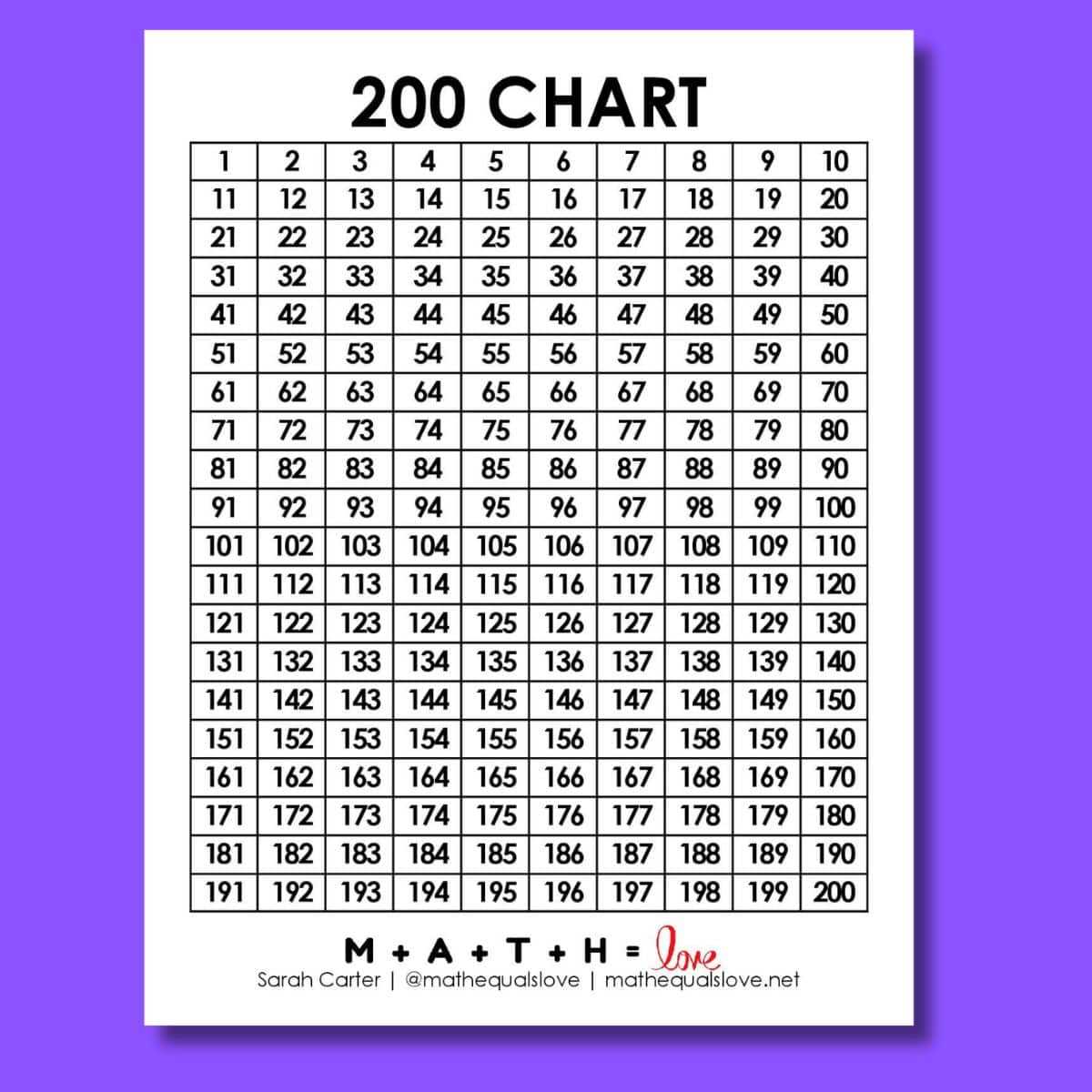
Highlight skip counting patterns by marking every second, fifth, or tenth number with colored pencils. Students can circle multiples of 3 or 4 to visualize arithmetic relationships. This layout also supports addition and subtraction drills by moving vertically for +10 or horizontally for +1.
Practice Ideas
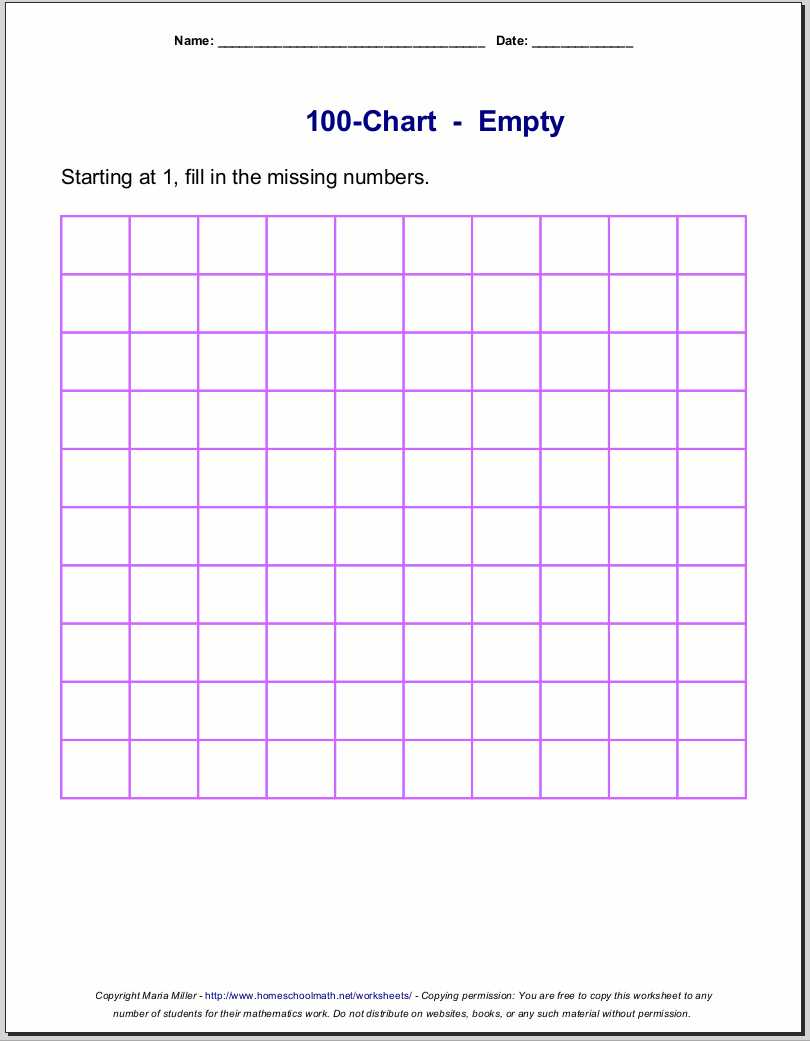
- Fill in missing values on a partially blank grid
- Color-code even and odd numbers
- Identify prime numbers under 200
- Track counting by 25s for mental math development
Store digital files in labeled folders by grade level to simplify reuse during math lessons.
1 to 200 Number Grid for Printing
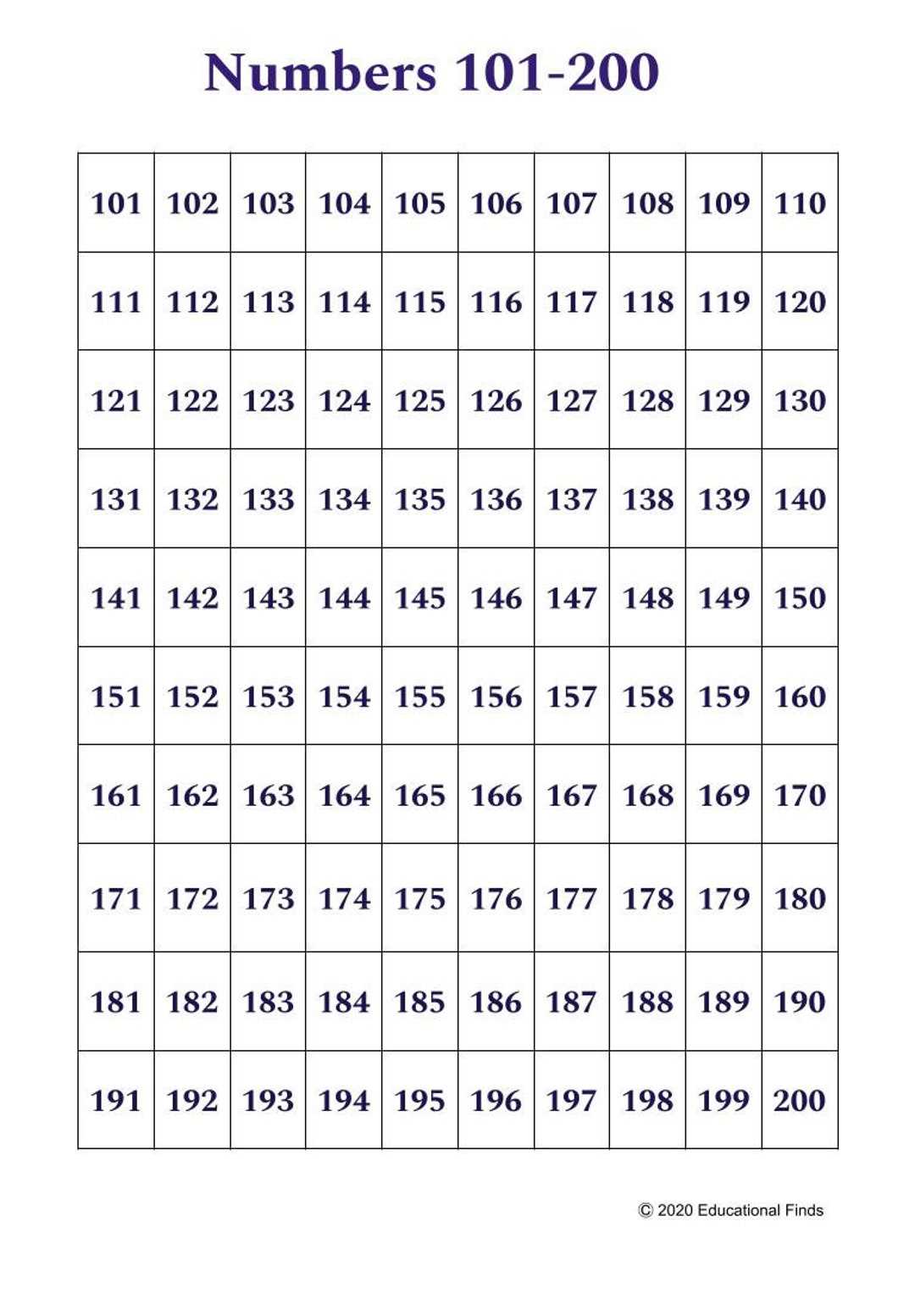
Download a high-resolution PDF table with numbers from 1 to 200 and print it at actual size to keep spacing accurate and digits clearly aligned.
Use a 10 columns by 20 rows layout so learners can track sequences horizontally by +1 and vertically by +10. Set font size between 18 and 22 pt in a clean sans serif typeface for visibility from a classroom wall. Keep grid lines at 0.5–1 pt thickness to separate each square without clutter.
Select A4 or US Letter paper and disable automatic scaling in the print dialog. Black ink mode increases contrast and prevents faint numerals. For frequent handling, choose 120 gsm paper or laminate the sheet to reduce tearing.
Apply the number table to practice skip counting by 2, 5, 10, or 25 using colored pencils to highlight patterns. Students can circle multiples of 3 or 4 and observe diagonal relationships across the grid.
Store digital files in labeled folders by grade level and activity type so they can be reused for counting drills, missing-number exercises, or quick assessment tasks.