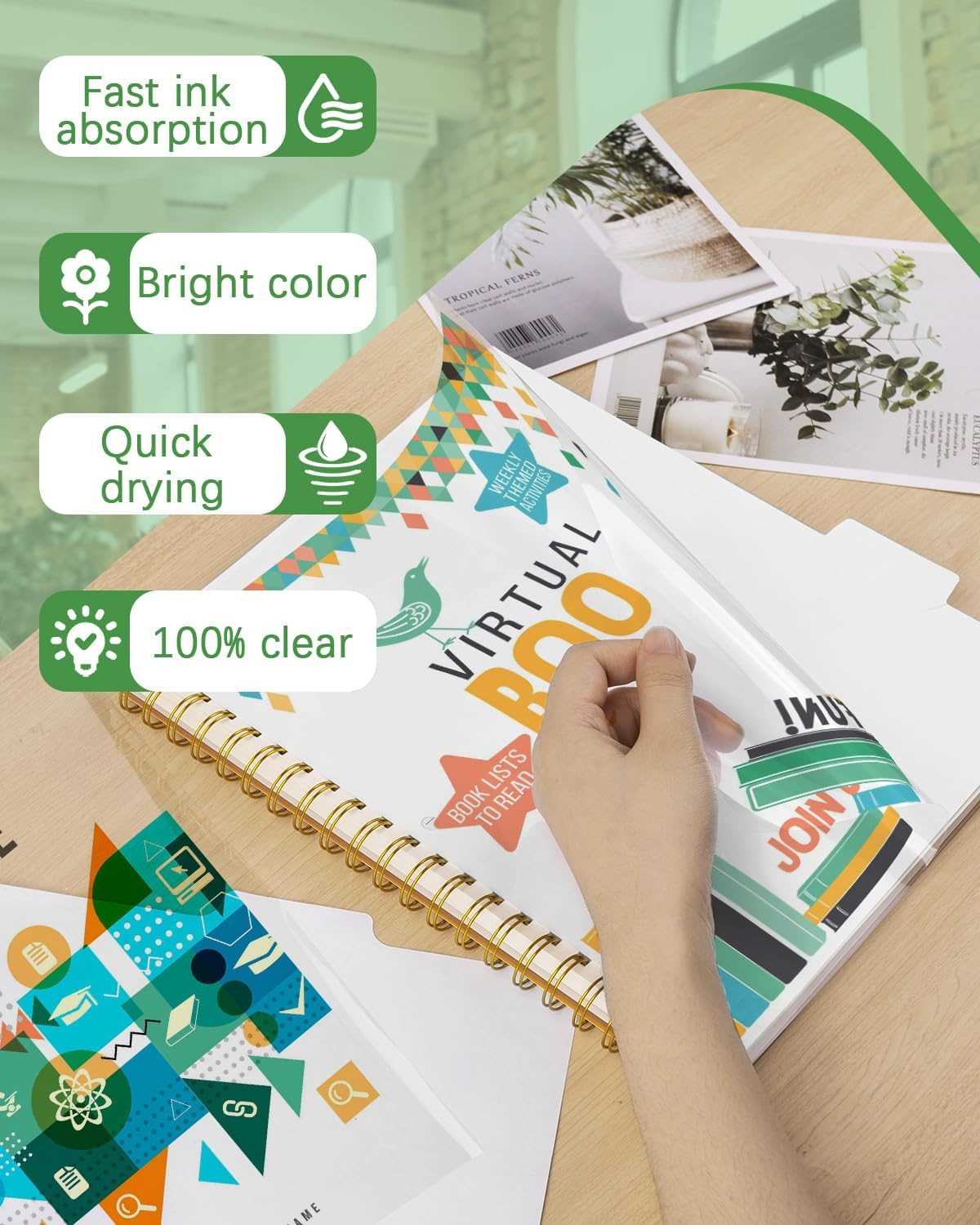
For high-quality results in your design and craft projects, it is important to choose the right transparent materials. These versatile surfaces can be used in various ways, from making stencils to creating overlays for scrapbooks or other artistic creations. Selecting a durable and easy-to-print medium is key, as it allows for clear, crisp images and designs.
If you’re planning to print on clear, flexible material, make sure the surface is compatible with your printer type. Some materials are better suited for inkjet printers, while others work well with laser printers. Testing with a small sample before committing to a full sheet will ensure the printout is precise and doesn’t smudge or fade over time.
Transparent sheets are commonly used in many DIY and professional applications. Whether you’re making custom greeting cards, decorating windows, or crafting unique items for educational purposes, understanding how to properly handle and print on these materials will yield the best results. It’s also a great tool for experimenting with layering effects or creating dimensional designs in your projects.
Guide to Using Transparent Materials for Printing
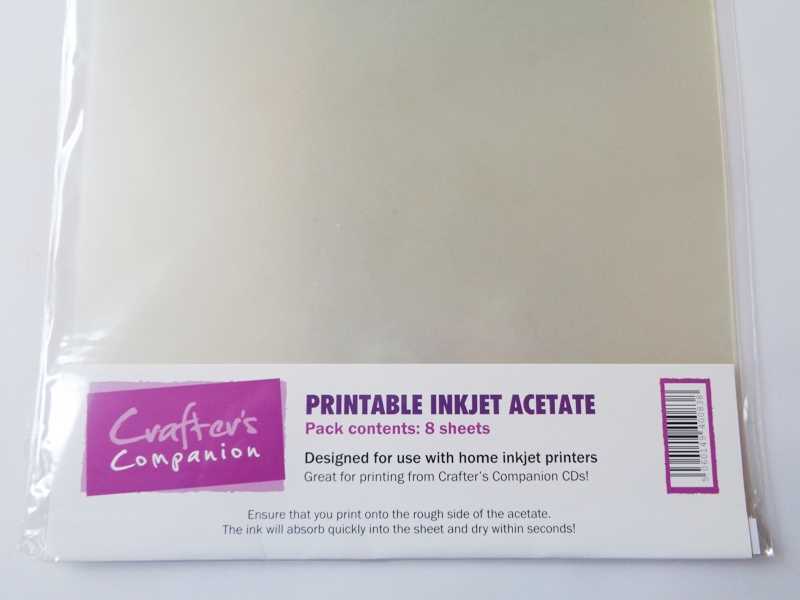
Start by selecting the appropriate type of transparent material for your printing needs. Not all clear sheets are made the same, so it’s important to choose one that is compatible with your printer. For inkjet printers, ensure the material is specifically designed for ink absorption to prevent smudging. For laser printers, choose a material with a smooth, glossy surface that will hold the toner without fading.
Before printing, adjust your printer settings to accommodate the unique properties of the material. Use the “transparency” or “overhead projector film” setting if available. This will optimize the print quality and prevent any errors. Make sure to test with a small portion of the sheet first to ensure proper alignment and prevent ink smudging or fading.
Once your printout is ready, let it dry completely if using an inkjet printer. Transparent sheets are ideal for creating custom stencils, overlays, or even decorative elements for scrapbooking. Handle the sheets with care to avoid scratching or bending, as they can be prone to damage when exposed to excessive force. For added protection, store your printed sheets in a safe, flat location away from direct sunlight or moisture.
How to Choose the Right Transparent Film for Your Project
First, determine the intended use of your clear film. If you’re working on projects that require fine detail, such as stencils or artistic prints, opt for a thinner, more flexible material. For projects that need durability, like custom overlays or protective covers, select a thicker and more rigid type. Thicker films can withstand more wear and tear and offer greater clarity, making them ideal for high-traffic applications.
Next, consider the compatibility with your printer. Certain materials are designed specifically for inkjet or laser printing. If you’re using an inkjet printer, look for a material that has a special coating to prevent ink from smearing. For laser printers, choose films that are toner-friendly, as they can withstand the heat generated during the printing process without warping or melting.
Finally, think about the finish you need. Some transparent materials have a matte finish, which can reduce glare and provide a more subtle appearance. Others come with a glossy finish, enhancing color vibrancy and offering a shiny surface. Choose based on the look you want to achieve–matte for a more subdued effect, or glossy for vibrant, attention-grabbing results.