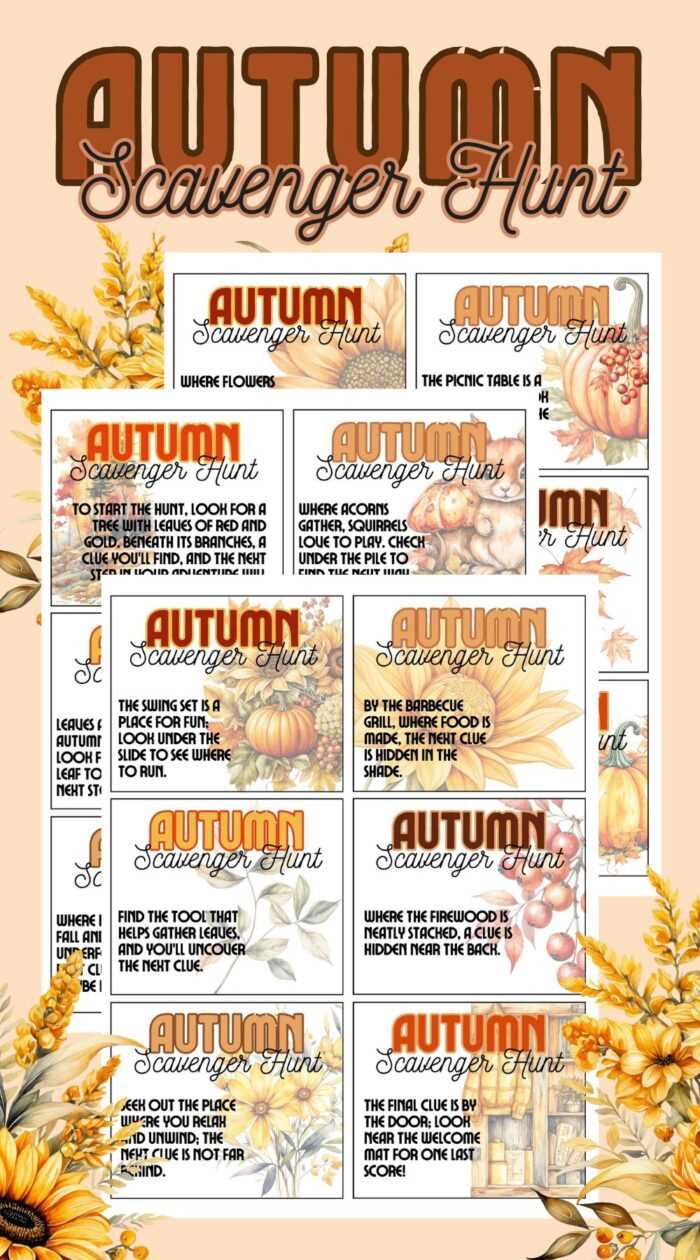
Start by creating a list of common items found outdoors during the season. Think about things like colorful leaves, acorns, pumpkins, and animal tracks. A well-organized list will make the experience more exciting and engaging for children, helping them focus on spotting specific things. This list can be easily customized based on your location and the age group participating.
Once you have your list ready, print it out and distribute it to the participants. You can make the activity more challenging by adding a time limit or creating teams. Consider including small rewards for those who find the most items or complete the task first. To add a creative twist, include some photos or drawings alongside the words to help younger children understand what they’re looking for.
For an even more engaging experience, set up different zones or areas where participants can explore. For example, if you have access to a park, designate a section for leaf spotting and another for finding specific animals or plants. This keeps the adventure fresh and exciting, offering new challenges at every turn.
How to Set Up an Outdoor Exploration Activity
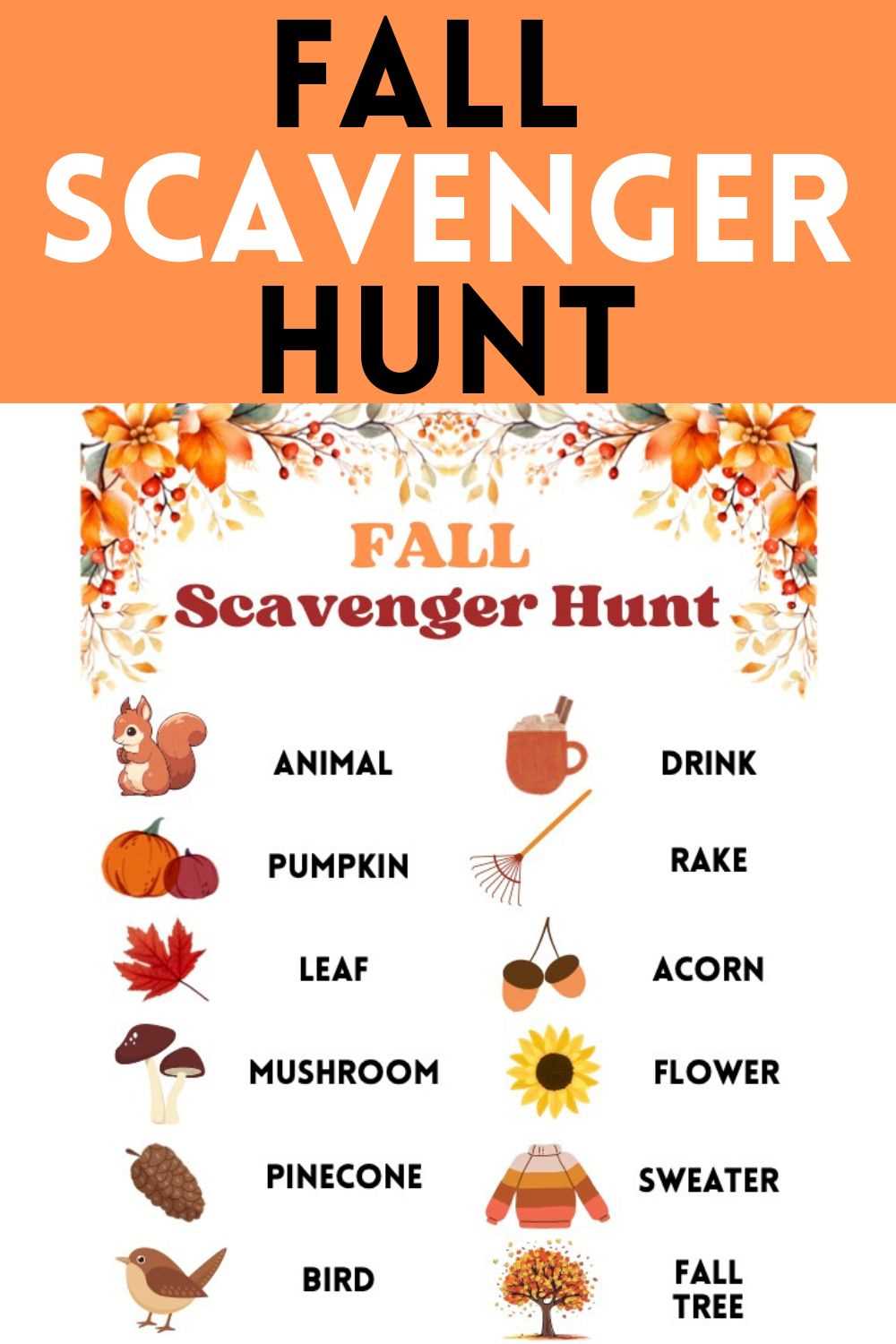
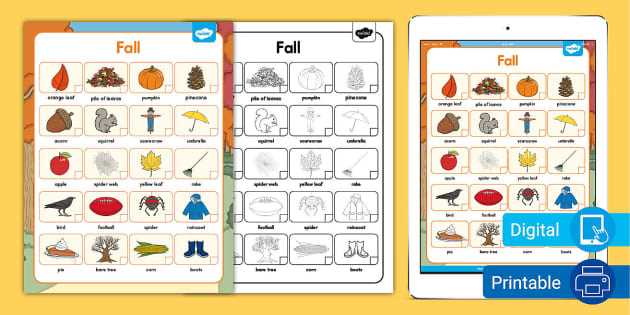
First, create a list of items commonly found in the area during the season, such as leaves, pinecones, or colorful berries. Print out a copy for each participant, ensuring the list is age-appropriate and visually clear. For younger children, include images to help them recognize the objects more easily.
To make the activity more engaging, set up boundaries for the exploration area. If you’re in a park, you can designate specific zones to search in, like a wooded area, a grassy field, or along a trail. This helps participants stay focused and ensures that everyone has an equal chance of finding the objects.
Consider setting a time limit for the search. This creates excitement and encourages participants to move quickly. You can also add small challenges along the way, such as “find the brightest leaf” or “spot something with a unique texture.” These additional tasks keep the activity dynamic and fun.
To add a competitive element, divide participants into teams. Each team can be tasked with finding specific objects from the list. This way, there’s both teamwork and friendly competition. At the end, count how many items each team found and award a small prize to the winning team.
For a more educational twist, include facts about the items on the list. For example, next to the word “acorn,” you could add, “Acorns are the seeds of oak trees and food for many animals.” This encourages children to learn more about nature as they explore.
If you’re planning the activity for a larger group or event, consider creating themed hunts. For instance, make one based on animals and another on plants. This variation keeps the game interesting and ensures everyone has a chance to participate, regardless of their interests.
Finally, once the search is complete, gather everyone together to discuss what they found. Ask participants to share the most interesting objects they discovered and what they learned. This reflection helps reinforce the fun and educational aspects of the activity.
How to Create a Custom Exploration List
Begin by selecting a theme for your activity. If you’re focusing on nature, consider objects like different types of leaves, rocks, or specific flowers. If you’re exploring a park, you might want to include local wildlife, such as birds, squirrels, or insects. Make sure the items you choose are common in your area to ensure participants can easily find them.
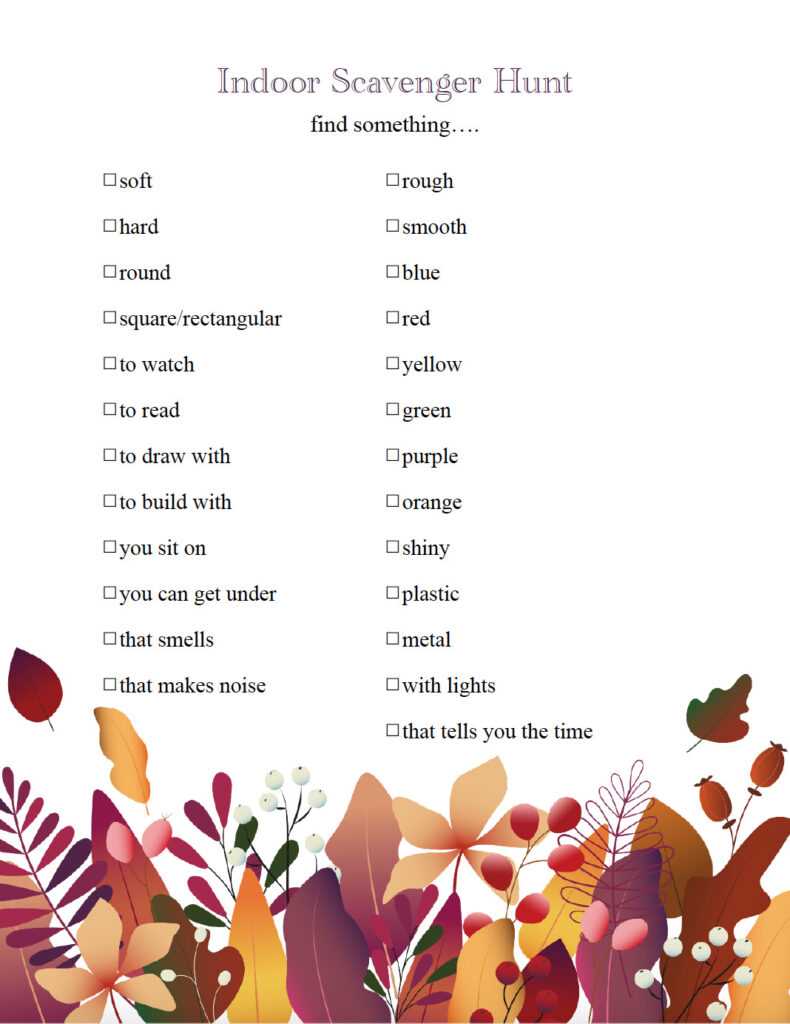
Next, decide how you want to present the list. You can either create a simple bullet-point list with the names of the objects or add images next to each item for younger children. If you’re creating a more advanced list, consider adding clues or riddles to make the experience more challenging and engaging. For example, instead of just listing “pinecone,” you could write, “I come from tall trees and make a crunchy sound when stepped on.”
Lastly, personalize the list by including a space for participants to check off each item they find or even a small area for drawing or writing about the objects they encounter. This makes the activity more interactive and fun. Once the list is ready, print it out and prepare to enjoy the adventure with your group!