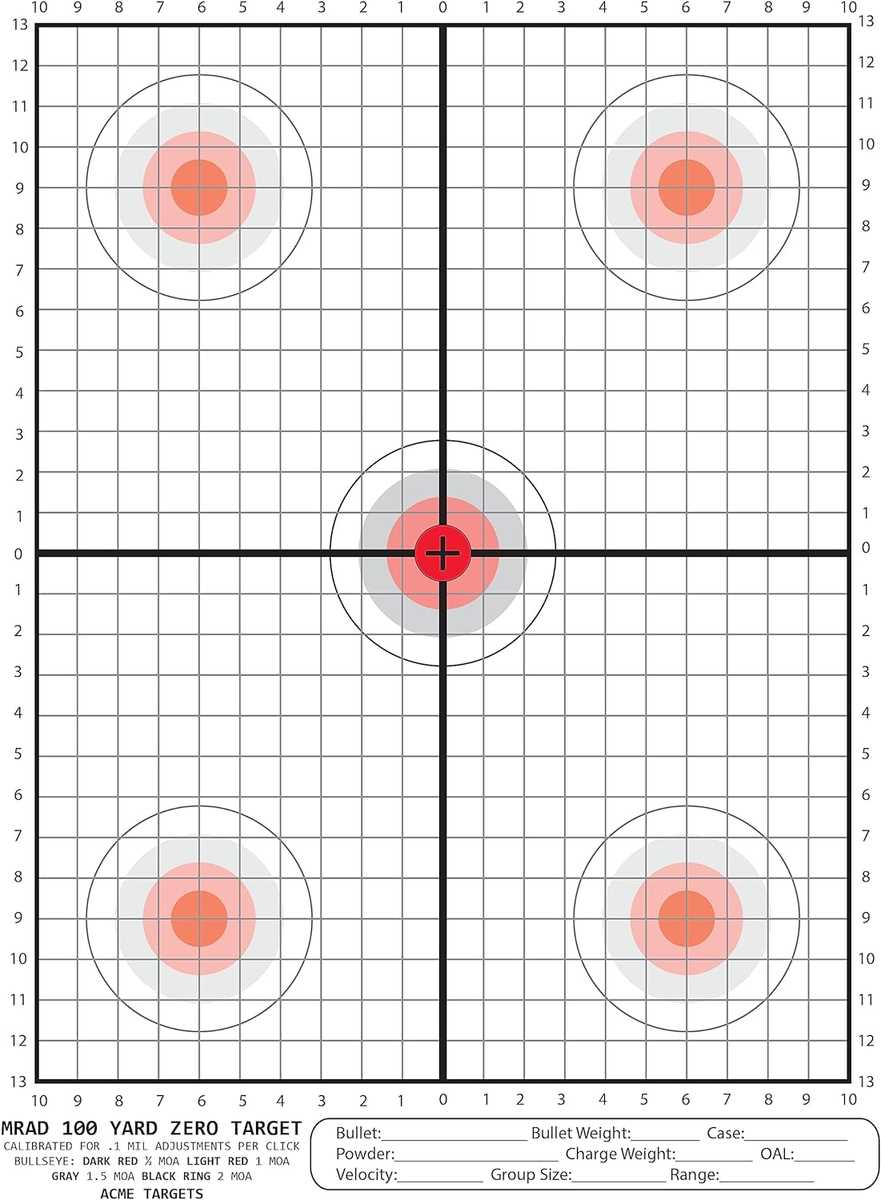
For accurate alignment of your firearm, begin by selecting the right sheet for your shooting needs. These sheets can be easily downloaded and printed on standard letter-size paper. Choose a design that offers clear markers or grids to help you track your shot placement and make adjustments for windage or elevation.
Once printed, place the sheet at a specific distance–usually 25 to 100 yards–depending on your shooting conditions and preferences. A consistent setup will allow for repeatable results, helping you dial in your aim more effectively. It’s also important to ensure the paper is positioned correctly and secured in place so there are no variables that could affect the results.
Consider printing multiple copies of the sheet to track your progress or make different adjustments for various ranges. You can also use the same sheet for multiple firearms, as long as you adjust for caliber size or shooting conditions. This flexibility makes these sheets a versatile tool for both beginners and seasoned shooters alike.
How to Download and Print Design Sheets for Shooting Practice
To get started, search for a reliable website that offers shooting alignment sheets in formats like PDF or image files. Select a design that matches your shooting needs, whether you’re using a rifle or a handgun. After downloading the file, open it and ensure it’s the right size for your printer settings. For most standard printers, set the file to print on letter-size paper (8.5″ x 11″) to avoid scaling issues.
Once printed, cut the sheet if necessary and secure it at the desired shooting distance. Use adhesive or pins to hold it in place. It’s recommended to print several copies for repeated use, so you can track your progress or make adjustments as you shoot. Make sure to keep the printouts in good condition to maintain the clarity of the alignment markers for accurate measurements during each session.
Choosing the Right Target for Different Firearms
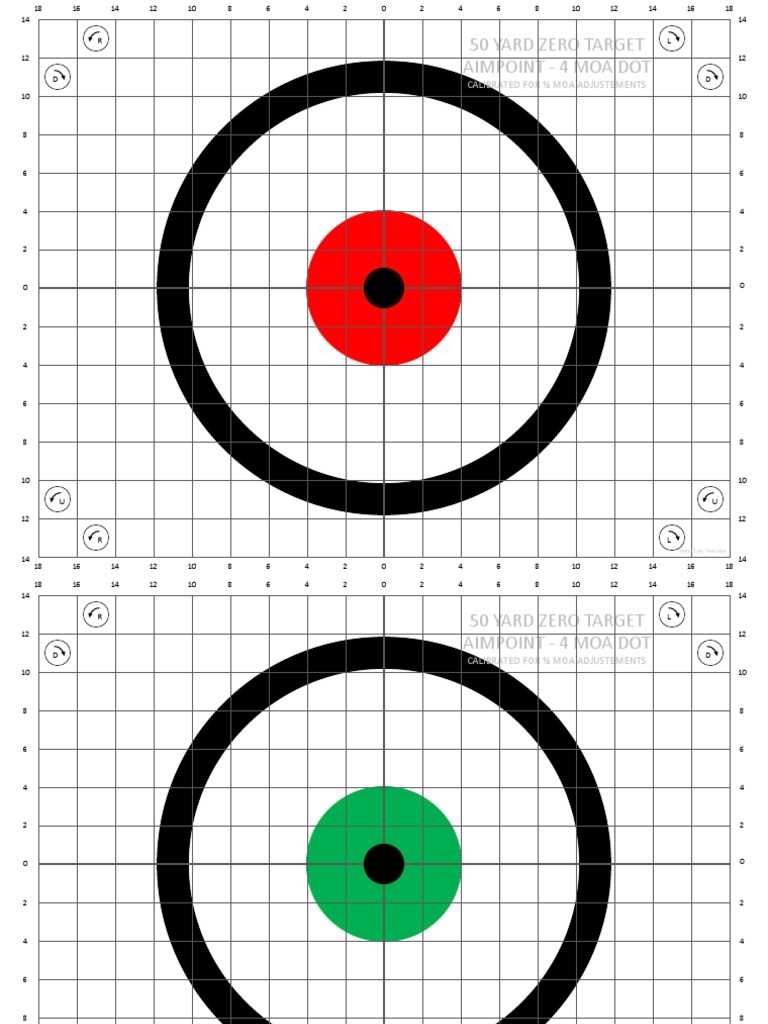
Selecting the appropriate alignment sheet depends largely on the type of firearm you are using. For rifles, particularly long-range ones, you’ll need a target that provides clear, large markers to help with precise adjustments over extended distances. High contrast and well-defined scoring areas are important for ensuring accuracy. These types of designs help identify slight shifts in impact that might not be visible with smaller, less detailed designs.
For handguns, a smaller, more compact alignment sheet is generally better suited for shorter distances, often around 10-25 yards. A simple design with a central bullseye or multiple smaller targets allows you to focus on refining accuracy with rapid shot placement. Targets with varying levels of difficulty can also help you improve your skills with handguns at different ranges.
Shotguns, on the other hand, typically require larger sheets with broader target zones. Since shotguns cover a wider area with pellets, the primary goal is to ensure that the spread is evenly distributed across the target area. Using larger grid designs or silhouettes may help in evaluating overall shot dispersion.
| Firearm Type | Target Design Features | Suggested Range |
|---|---|---|
| Rifles | Large, clear markers for precise adjustments | 100+ yards |
| Handguns | Compact, central bullseye or multiple small targets | 10-25 yards |
| Shotguns | Broad target areas or large grid designs | 25-50 yards |
When selecting the sheet, make sure to adjust the material and printing quality based on your firearm and intended range. For higher precision needs, opt for thicker paper or card stock to ensure the target holds up against multiple shots without tearing. A durable sheet is important for maintaining a consistent shooting experience, especially when working on long-range accuracy.
Finally, it’s important to match the target design to the specific shooting discipline you are practicing, whether it’s precision shooting, tactical training, or general recreational shooting. The right target will not only help improve your skills but will also ensure that your shooting sessions are productive and rewarding.
Tips for Setting Up and Using Alignment Sheets Effectively
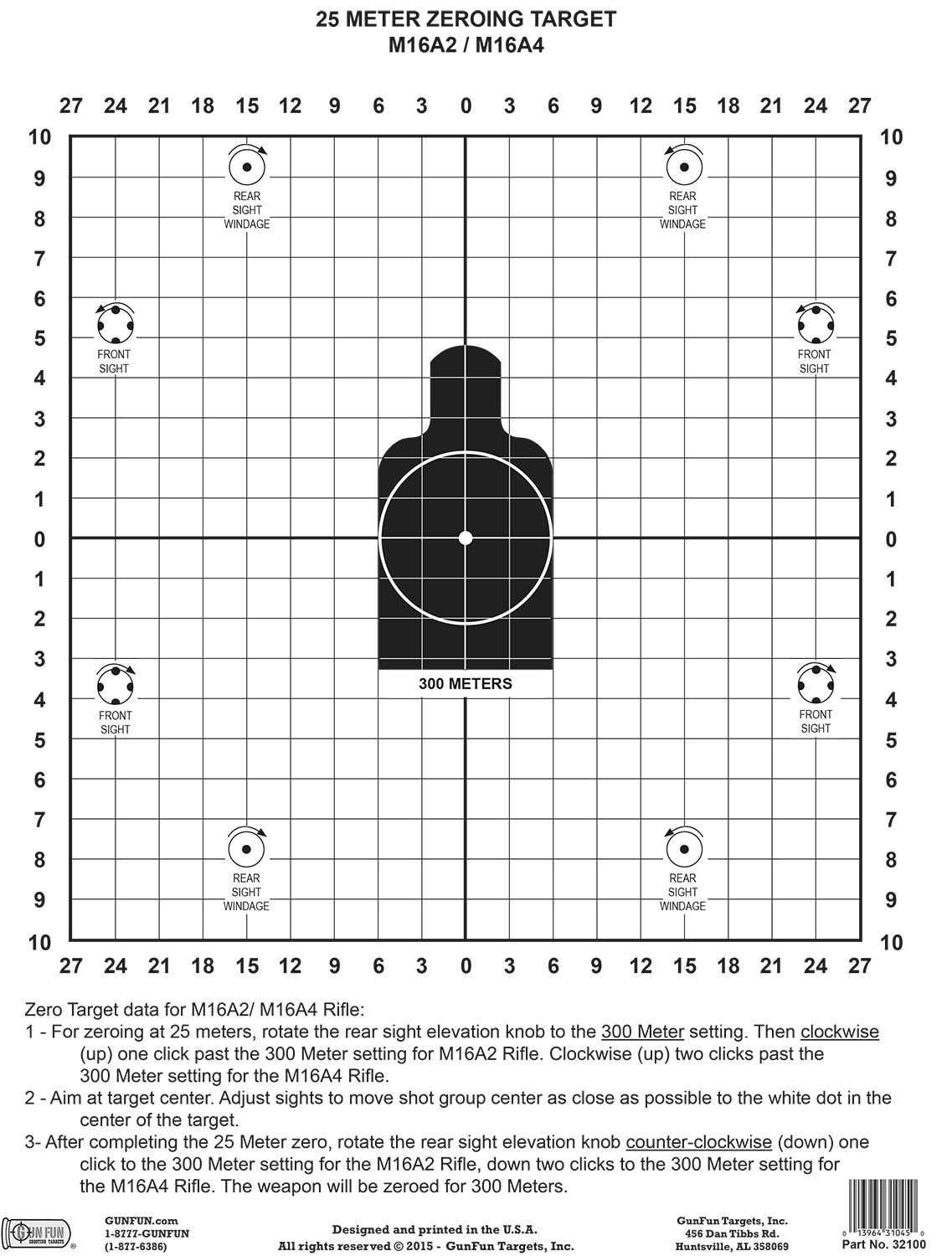
Start by placing the design at the appropriate distance based on your shooting range. For rifles, positioning the sheet at 100 yards is typical, while for handguns, 10 to 25 yards works best. Ensure the sheet is perpendicular to the shooting line for accurate results.
Secure the sheet properly to avoid movement during shooting. Use tape or pins to attach it to a solid backboard, ensuring it stays in place throughout your session. This prevents misalignment and ensures consistent shots on target.
Use high-contrast designs, especially for long-range shooting. Clear markers and bold scoring areas make it easier to identify where each shot hits, allowing for quick adjustments. For handgun shooting, a simpler design with a central focus will help you concentrate on accuracy.
Consider printing multiple copies of the same design for repeated practice. This allows you to track progress over several sessions, especially if you’re adjusting for windage or elevation. Each copy provides a fresh, undisturbed surface for every round.
When setting up, ensure you have proper lighting. Poor lighting can make it hard to distinguish hits on the design, especially at longer ranges. Good visibility helps you assess each shot accurately, improving the effectiveness of your practice.
After every series of shots, inspect the design for any damage. Small tears or holes may distort the results and make it harder to track subsequent shots. Consider using durable paper or lamination for longer-lasting targets during intensive sessions.
If you’re working on a specific adjustment, like sight alignment or windage, take your time to focus on small increments. Each shot should be followed by a careful observation of the pattern on the design to refine your adjustments and correct any errors.
Finally, vary your targets occasionally to simulate real-world scenarios. Different shapes and designs can help you develop versatility in aiming and shooting. Changing up your practice routine with different layouts also keeps sessions engaging and productive.