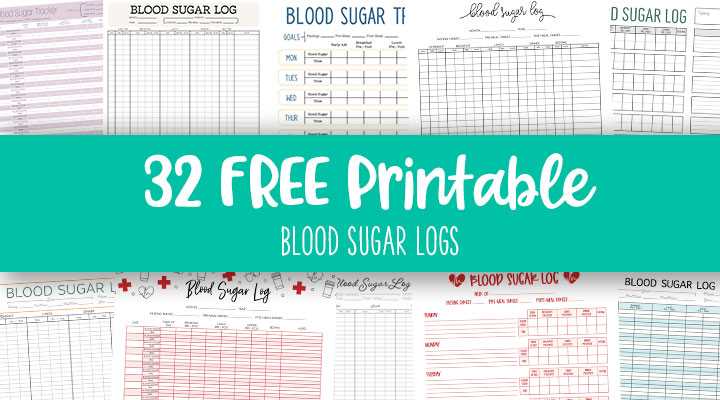
To manage and track your glucose levels effectively, using a structured tracking sheet can be immensely helpful. The key is selecting the right format that aligns with your monitoring needs and lifestyle. A customizable tracking sheet allows you to record the date, time, and specific readings, giving you better insight into how your diet, activity, and medication affect your body.
When choosing a tracking tool, consider how frequently you test and what additional data you need, such as meals, exercise, and medication intake. Some templates include extra fields for meal types, insulin doses, or symptoms, allowing for a more comprehensive record. Having this detailed information helps your healthcare provider evaluate your progress and adjust treatment plans if necessary.
Once you’ve chosen a template, printing it out gives you a tangible way to track your levels regularly. It also provides a quick reference to monitor trends over time. Keep your sheet in a place where it is easily accessible and consider having a folder or binder to keep multiple days or weeks of data. This will help ensure you don’t miss any important patterns in your readings that could influence your health management strategies.
How to Download and Use Blood Glucose Tracking Templates
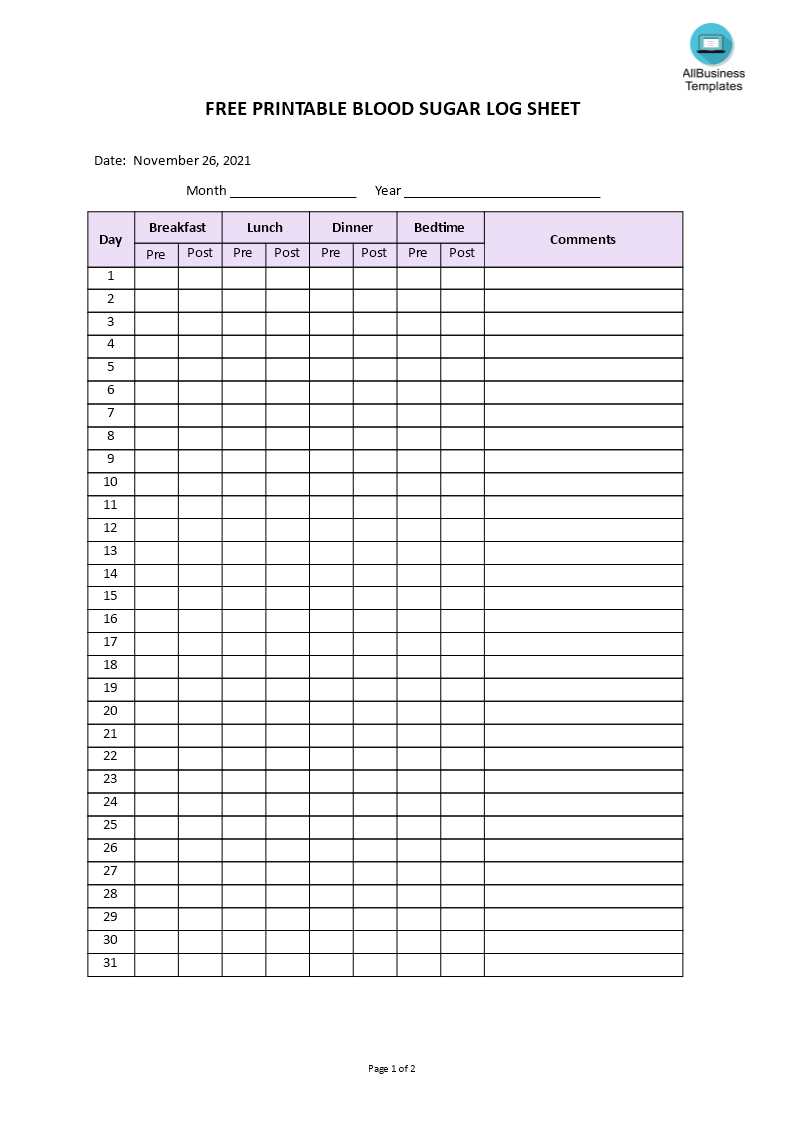
To start tracking your glucose levels, begin by finding a template that meets your specific needs. There are many resources online where you can download customizable forms. Ensure that the chart allows space for essential data such as the time of day, your readings, and any relevant notes about meals or exercise. Some websites offer different formats, so choose the one that is easy to use and print.
After downloading the document, save it to your device and open it with a PDF reader or an image viewer, depending on the format. If you’re using a template with editable fields, fill in the necessary information directly on your device. If it is a standard format, you can print it out and manually fill in the data as needed. Make sure the chart is printed clearly, so the data you write is legible.
For best use, keep the template accessible in a dedicated folder where you can store all your records. Track your glucose levels regularly, entering the date, reading, and any factors that might influence the result, such as meals or medications. This method allows you to identify patterns and share accurate information with your healthcare provider during appointments.
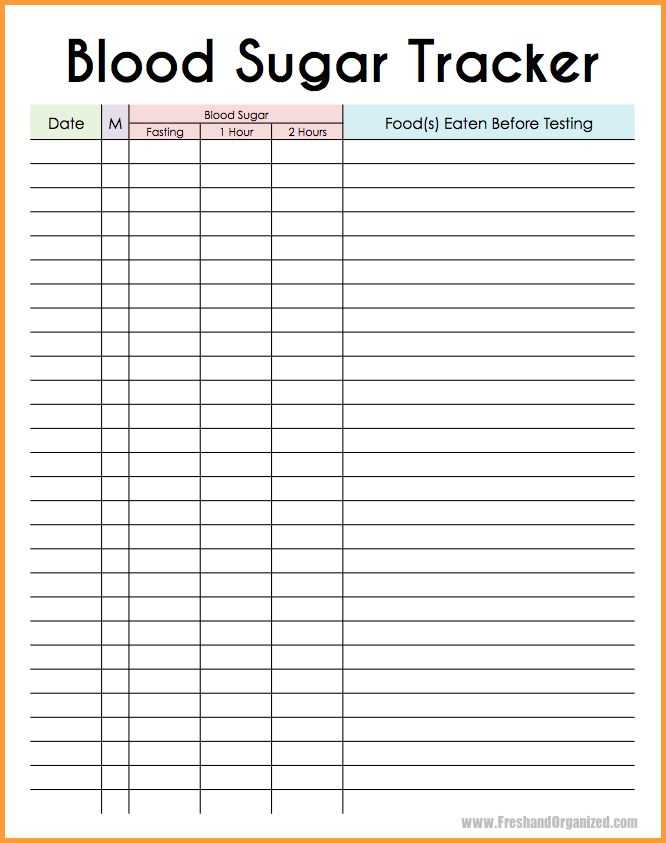
It is also a good idea to laminate the printed sheet for durability, especially if you plan to use it frequently. A laminated chart can be wiped clean and reused multiple times, or you can place it inside a folder to keep it protected. Tracking consistently with these simple tools can make managing your glucose levels much easier and more effective.
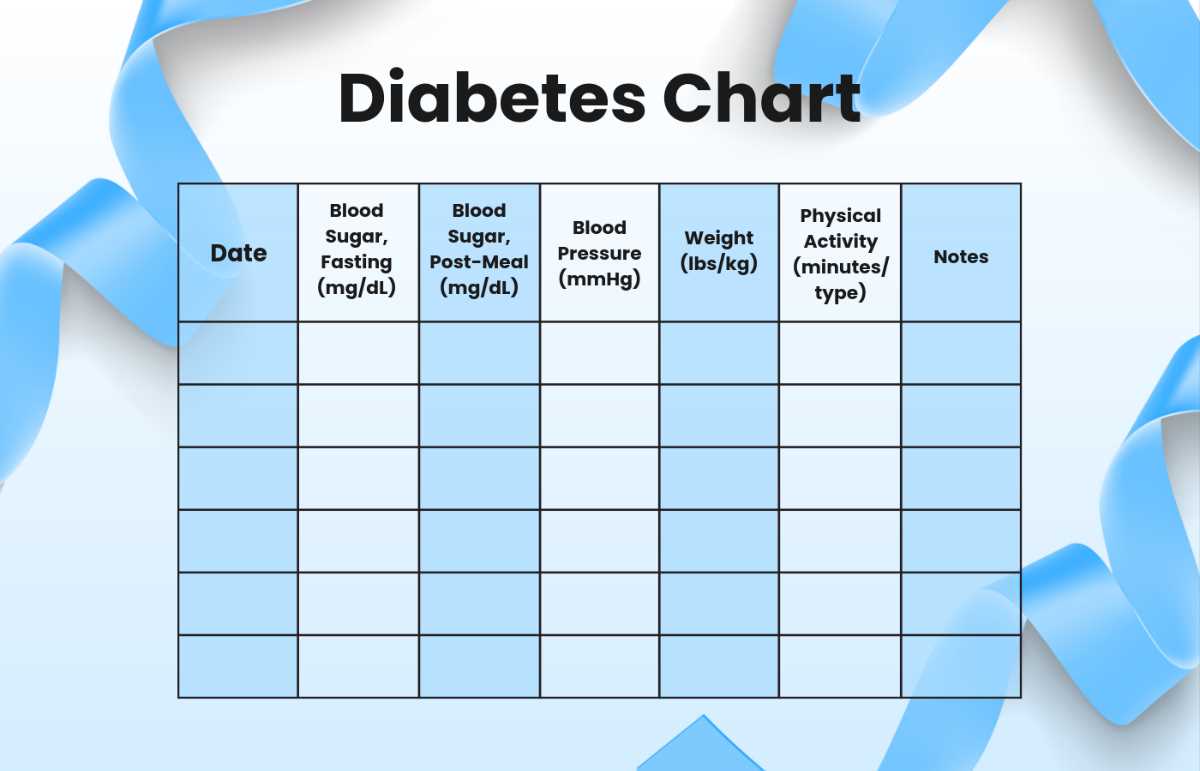
Best Formats for Glucose Level Tracking and Monitoring
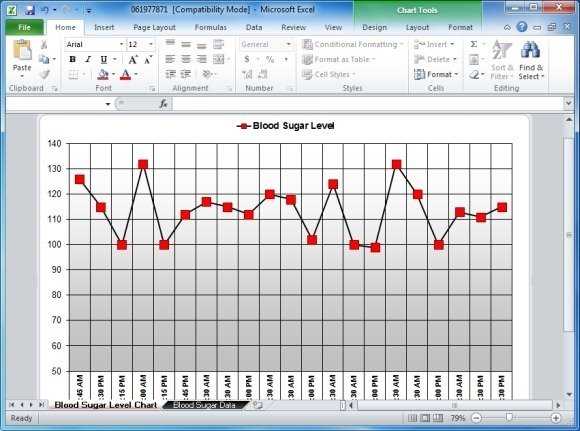
When choosing the right format for recording your glucose levels, consider whether you prefer a physical or digital approach. A printed tracking sheet can be a practical choice for those who like to keep manual records. This format is easy to carry, doesn’t rely on technology, and is simple to use while on the go. You can find various templates online that allow you to track readings by date and time, along with notes about meals or exercise.
For those who prefer digital tools, a spreadsheet is an excellent option. Programs like Excel or Google Sheets allow for easy customization, where you can create different columns for tracking dates, readings, meal information, and other variables. Spreadsheets also make it easier to calculate averages or spot patterns in your readings over time, which can help in managing your health more effectively.
Mobile apps are another great choice for real-time tracking. Many diabetes management apps have features that automatically sync with glucose meters and let you record readings directly. Some apps also include the ability to set reminders for when to check your levels, ensuring you stay on top of your routine. The app format also allows you to easily share data with healthcare providers during appointments.
Finally, consider using a combination of formats for maximum convenience. For instance, you can print a weekly or monthly tracker to keep on hand while using a digital app for immediate tracking. This combination provides both flexibility and a backup system in case of technical issues. Choose a method that best suits your needs and lifestyle to ensure consistent monitoring of your glucose levels.