To enhance your study routine, start by designing simple, personalized study aids that focus on key concepts. These tools are versatile and can be used for subjects ranging from languages to science. By writing down questions on one side and answers on the other, you create a useful method to test knowledge repeatedly.
One great way to get started is by utilizing templates available online. Many websites offer free options that can be easily downloaded and customized for specific study needs. These resources save time, allowing you to focus on the material rather than on creating study tools from scratch.
While selecting templates, ensure they are clear and easy to read, with ample space for writing. Keep in mind that the simplicity of the design often results in better comprehension and retention of the material. Consider using bold or colored text for important points to make them stand out.
Finally, don’t underestimate the power of organizing your study aids effectively. Use categories for different topics and keep your materials in separate sections for easy access. This method will allow you to focus on one subject at a time and track your progress more efficiently.
Detailed Guide to Using Custom Study Helpers
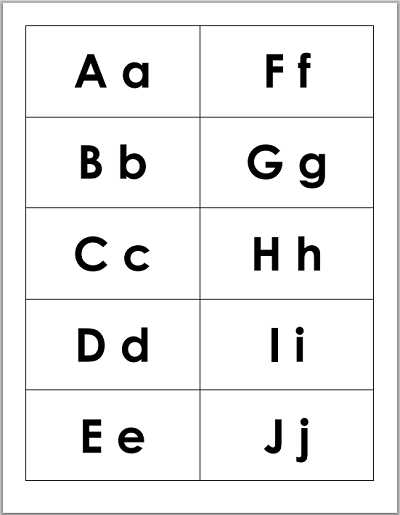
To get the most out of your study sessions, start by organizing your material into clear, concise sections. Use simple tools to jot down key concepts, terms, or formulas. This approach helps in both understanding and retention.
Ensure each card contains one main idea or question. Avoid clutter by keeping the information brief, using bullet points or short phrases. When reviewing, focus on the most challenging concepts first, and gradually move to easier ones. This method prioritizes efficiency and reduces cognitive overload.
Write answers or explanations on the reverse side for quick self-testing. By doing this, you can simulate a question-and-answer environment, which actively engages your memory. Repetition is key–regularly shuffle the cards and test yourself to reinforce learning.
For visual learners, consider adding diagrams or sketches to the back of the flashcards. These visuals will aid in understanding complex topics and can serve as quick references when reviewing. The addition of imagery has been shown to improve memory retention.
Use these tools in short, focused study sessions rather than long marathons. Keep each session to 15-20 minutes, followed by a brief break. This strategy helps keep you engaged and prevents burnout, making your study sessions more effective in the long run.
Finally, adapt your study cards over time. As you gain more understanding, refine the content, removing information you already know and adding new material. This continuous process ensures that your resources remain relevant and challenging as you progress.
How to Create Custom Study Helpers for Effective Learning
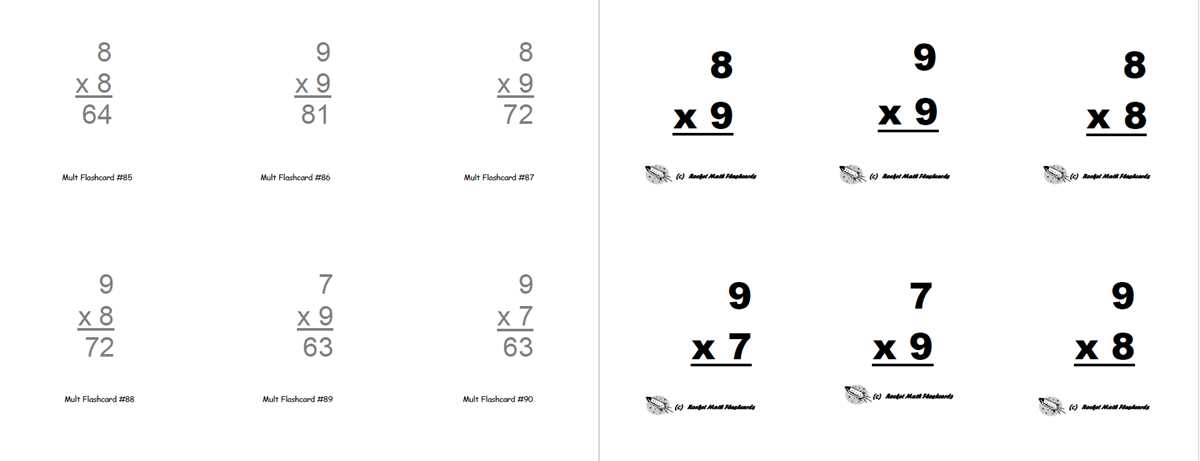
Start by identifying key topics that require more attention. Break complex information into simple, digestible parts and write a brief question or concept on the front. Keep your wording clear and concise to maximize focus during study sessions.
On the reverse side, provide a brief answer or explanation. Use bullet points for clarity or add examples to reinforce the material. This allows for active recall practice and strengthens memory retention when reviewing the content.
For enhanced learning, consider incorporating different types of material such as diagrams, charts, or color-coded sections to visually organize related concepts. Customizing your resources with these elements ensures a more engaging and interactive study experience.