Identifying and Reflecting on Personal States
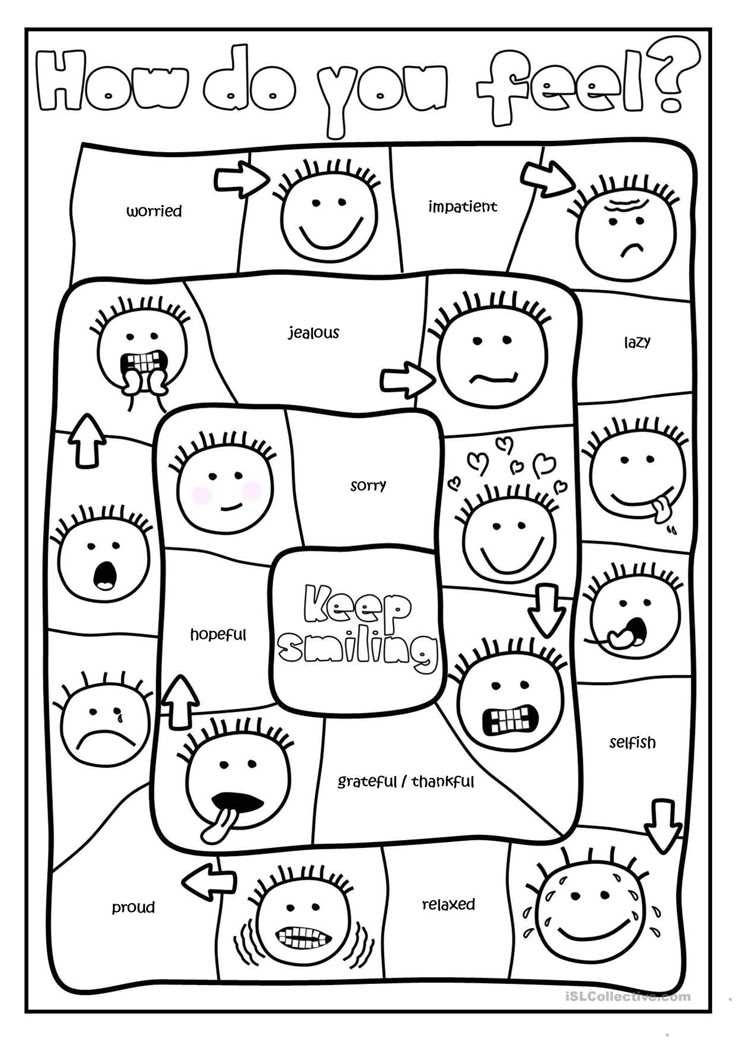
Understanding one’s feelings is a powerful tool for mental well-being. Start by using visual aids where individuals can mark various moods throughout their day. This method provides a visual snapshot of emotional trends, making it easier to spot recurring patterns. The aim is to help individuals become more aware of subtle shifts in their mental state, promoting better self-regulation. Use a chart or diagram where emotions are categorized based on intensity and nature, such as happy, sad, anxious, or calm, with options to fill in the level of each throughout the day.
Steps for Organizing Your Mental Space
1. Tracking Mood Changes
Using a simple grid, jot down each emotion experienced during the day. This allows you to compare how different events, times of day, or interactions influence your mental state. This can be done with colored markers or by rating the intensity on a scale from 1 to 10. Reflect on the changes at the end of the week to understand the main drivers of your emotional shifts.
2. Expressing Thoughts through Art
Creative expression, such as drawing or journaling, can often reveal hidden emotions. Provide a space where individuals can sketch or write about their experiences, allowing them to release suppressed feelings. The goal here is not to produce a perfect piece of art, but to express inner thoughts freely. These activities often provide valuable insights that verbal communication might not.
3. Creating Actionable Goals
Once emotional triggers are recognized, use these insights to set clear goals for mental well-being. For instance, if anxiety is linked to certain situations, plan calming activities for those times. Identify simple coping mechanisms like breathing exercises or physical activity, and track progress in managing stress.
4. Reviewing and Adjusting
At the end of each week, revisit your emotional log to identify areas where improvements have been made. Make adjustments to the techniques that were most effective. This iterative process allows you to continuously refine your emotional toolkit for better handling stressors and maintaining mental peace.
Practical Tips for Ongoing Emotional Health
- Consistency is key: Regular practice of tracking and expressing emotions strengthens self-awareness over time.
- Don’t judge your feelings: Let go of any guilt or shame associated with emotions. Acceptance fosters a healthier mindset.
- Use physical activity: Exercise has proven benefits for emotional regulation. Even short walks can improve mood significantly.
- Connect with others: Social support plays an important role in emotional well-being. Regular conversations with trusted individuals can provide perspective and reduce isolation.
Conclusion
Managing emotions effectively requires consistent reflection and actionable strategies. Using tools that visualize feelings, combined with creative expression and actionable goals, can significantly enhance emotional resilience. Keep practicing and adapting, and over time, you’ll gain a deeper understanding of how your mind works.
Guidance for Using Emotional Identification Sheets
Begin by providing a clear structure for recognizing various feelings. A tool for jotting down how different moods appear throughout the day can be highly effective. Organize the feelings into categories, allowing individuals to identify each one easily. For instance, divide the list into positive, negative, and neutral states to help with clarity.
Encourage users to reflect on specific moments that trigger distinct reactions. Rather than asking for vague descriptions, suggest they pinpoint situations where they felt particularly happy, angry, sad, or calm. These examples serve as anchors to better understand how emotions manifest in real life.
A valuable addition is the ability to connect intensity levels with each feeling. You can use a scale from 1 to 10 to allow the person to rate the strength of their reactions. This method ensures they recognize subtle shifts and helps track changes over time, giving a clearer picture of emotional patterns.
For those working with children or those new to identifying how they feel, including visual prompts can be beneficial. Simple drawings or icons can accompany each emotion, making the process more intuitive. It provides a straightforward way to link facial expressions with inner states.
It’s also important to have a section for reflection. After filling out the chart, encourage the individual to write a few sentences explaining why they may have experienced a particular feeling. This reflection helps in uncovering underlying triggers that may not be immediately obvious.
A key benefit of this method is its flexibility. It can be adapted to various ages or situations, from therapy sessions to personal journaling. By customizing the format to suit specific needs, users can engage with their feelings in a way that resonates with them.
Lastly, it’s valuable to establish a routine. Set aside time each day or week to complete this process. Regular use enhances emotional awareness and provides ongoing insights into how thoughts and actions align with inner experiences.