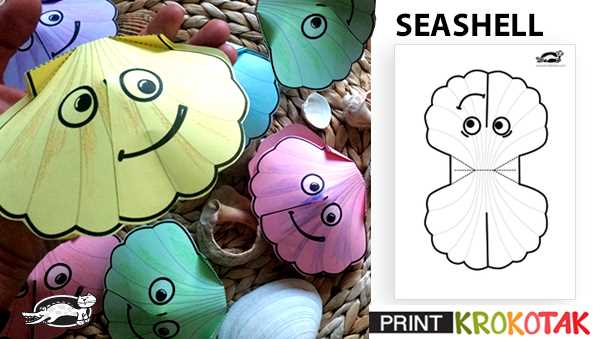
Download and start coloring a variety of ocean dwellers right away. These designs offer a fun and engaging way to introduce little ones to creatures found beneath the waves, from dolphins to jellyfish. Whether you’re planning a themed activity or simply want to provide a relaxing, creative moment, these templates are perfect for all ages.
Coloring marine life is an ideal activity to develop fine motor skills while learning about the biodiversity of the ocean. Each template is easy to print and comes with clear lines, making it simple to get started. Kids can use crayons, markers, or colored pencils to bring these fascinating beings to life.
Try different sheets, featuring sharks, turtles, and a variety of fish, each designed to capture the unique aspects of marine species. These illustrations can also serve as educational tools, sparking curiosity about the habitats and behaviors of underwater creatures.
Creative Ocean Life Designs for Kids
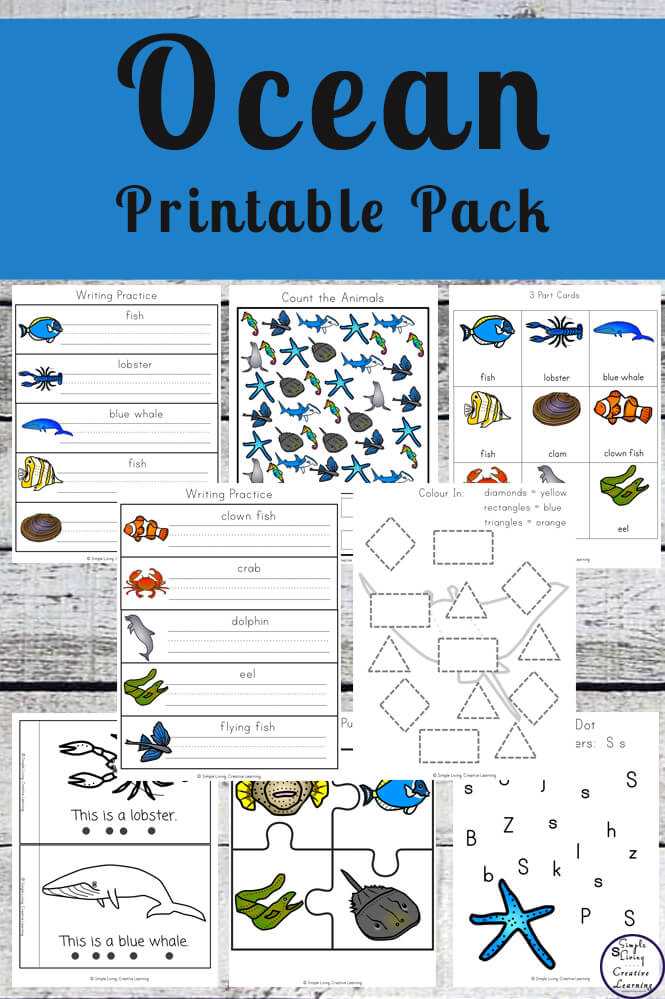
If you’re looking to engage children in learning about ocean creatures, offering downloadable designs of underwater life is a great way to start. These visuals can spark curiosity and help little ones learn about the marine environment through hands-on activities.
One of the simplest ways to engage young minds is by providing realistic or cartoonish representations of marine species. From jellyfish to dolphins, the options are numerous. A fun fact to include with each image could be the habitat or interesting traits of each creature, keeping the learning interactive.
These downloadable graphics can be used for a variety of crafts. For instance, you can cut out the shapes of fish or starfish for a tactile project. Pairing these cutouts with paint or colored markers will allow children to express their creativity while learning about the ocean.
Another approach is to combine multiple designs into a thematic activity. For example, you could organize a “Create Your Ocean” project, where kids assemble their own ocean scene with elements like seaweed, whales, and coral. This can also serve as a great visual aid when discussing marine ecosystems.
For a more educational take, provide a list of different species for children to identify and match with their corresponding designs. This could include matching different fish with the food they eat or sorting animals by the regions they inhabit.
Creating a game with these designs can also be an enjoyable way to reinforce learning. For instance, you could design an ocean life memory game. Kids would have to match pairs of creatures or find items that belong in specific zones of the ocean, such as deep sea, reef, or coastal areas.
If you’re working with younger children, consider using larger, simpler outlines. These can be used for coloring exercises or simple puzzles. Larger pieces of marine life are easier for younger hands to manipulate, and they can also improve motor skills when cut out or assembled into scenes.
Lastly, these resources can extend beyond crafts and games. Use the pictures as part of an interactive lesson plan on marine biology. Encourage kids to identify the ocean’s diverse species, their role in the ecosystem, and the importance of preserving marine environments.
How to Find High-Quality Images of Ocean Creatures
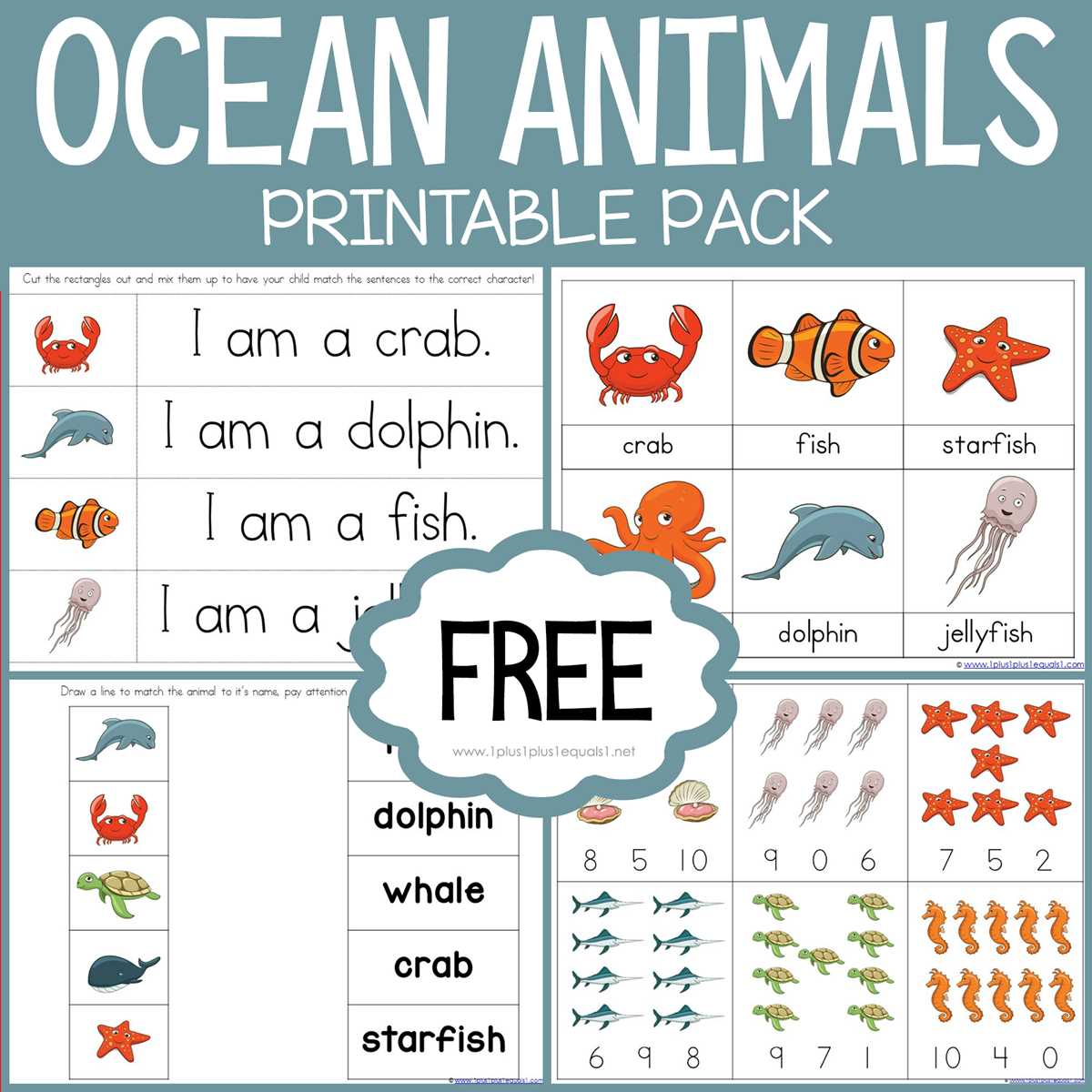
Start by exploring reputable online libraries that specialize in high-resolution visuals, such as Pixabay, Unsplash, and Pexels. These sites offer a broad range of sharp, detailed graphics that are well-suited for printing without losing clarity. Pay attention to the resolution (preferably 300 DPI) to ensure the image maintains quality once printed.
Another great approach is searching for collections hosted by museums or aquariums. Many institutions upload high-quality, professional images for educational use. These visuals often capture the essence of marine life in their natural habitats, which adds realism and depth to the illustrations.
If you’re looking for specific creatures, try niche websites or photography blogs dedicated to ocean life. Look for options that offer copyright-free images or those under creative commons licenses. Always check usage rights, as this can determine whether the image can be used for personal projects or requires attribution.