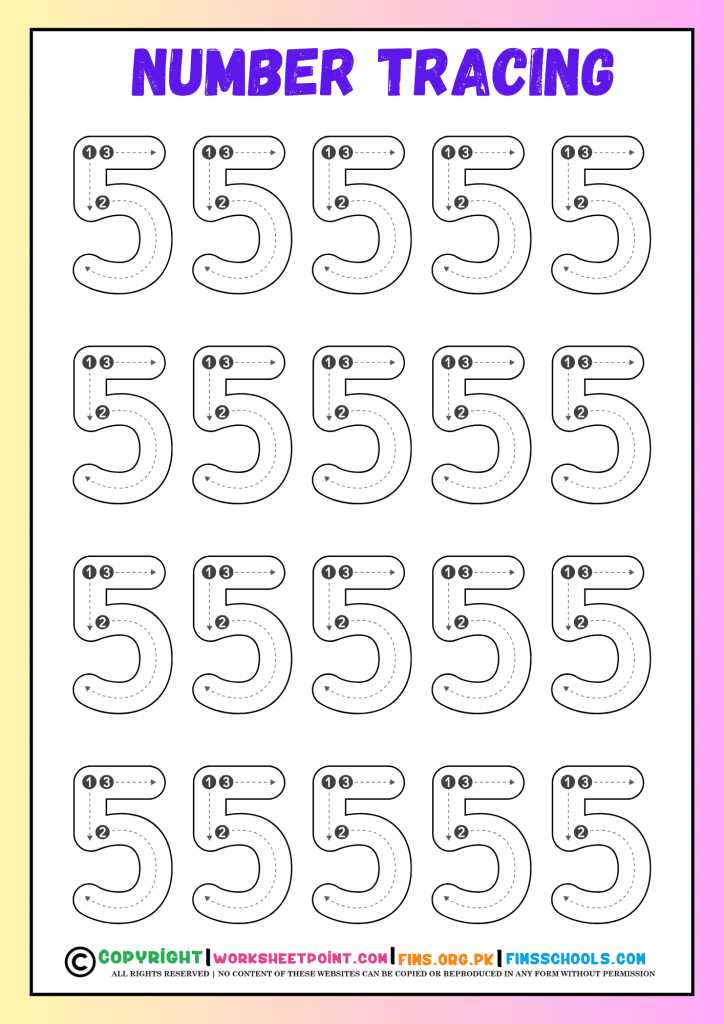
To help young learners develop proper handwriting skills, create fun activities that encourage practice with digits. Start by selecting large, easy-to-follow templates with dotted outlines for each character. These will guide children as they learn to form each symbol correctly. Use clear, consistent fonts to ensure the letters are easily distinguishable.
For a more structured experience, design activities that focus on both shape and direction. Encourage learners to trace from left to right and top to bottom, which mimics the natural flow of writing. This approach improves motor coordination and reinforces the connection between the shape of the character and its written form.
As they progress, introduce more challenging exercises, such as filling in missing parts of the character or completing partial figures. By gradually increasing the complexity, children can build confidence while mastering each symbol. Make sure to offer a variety of exercises to keep the experience engaging and aligned with the learner’s pace.
Engaging Handwriting Practice for Young Learners
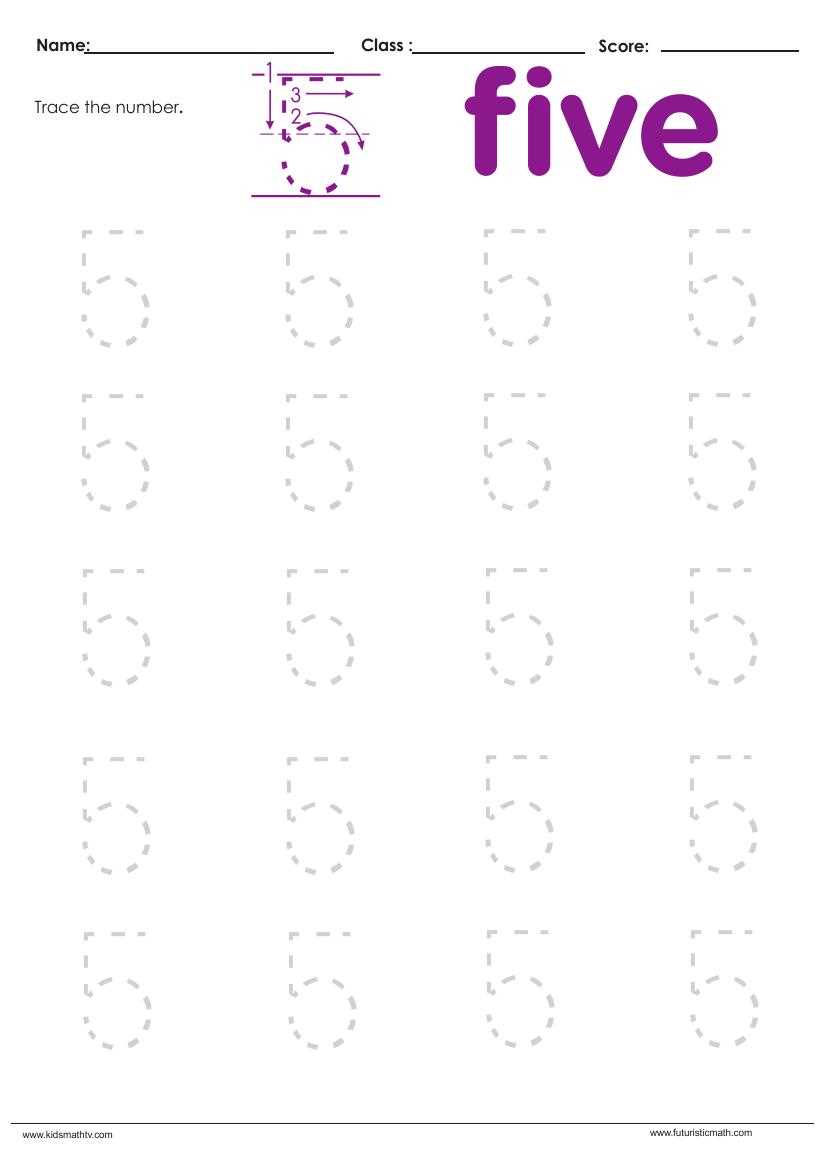
To help children master the art of writing, create exercises that focus on developing proper form. Use large, dotted outlines of each symbol to guide young learners in constructing each figure accurately. This method supports fine motor development while ensuring the character shapes remain clear and consistent. Start with easy-to-follow patterns and gradually introduce more complexity as confidence grows.
For variety, incorporate activities where learners can complete partially drawn characters or match figures to words. This not only reinforces recognition but also strengthens their writing skills. By offering a range of activities that adjust in difficulty, learners can advance at their own pace, making handwriting practice both enjoyable and effective.
How to Create Custom Tracing Worksheets for Kids
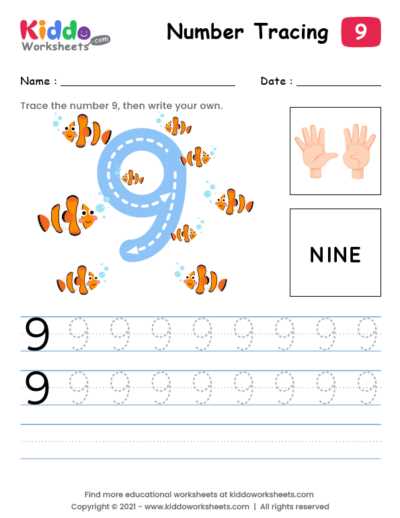
Start by choosing a set of characters for your worksheet. Select a small range of simple symbols, like the first ten or twenty digits. These should be clear, easily recognizable, and easy to form, helping children feel confident from the beginning. Ensure each character is large enough for young hands to trace comfortably.
Next, design your layout. For each character, create a dotted outline that children can follow. The outline should be clear and clean to avoid confusion. Space the characters properly within the grid, allowing enough room for children to practice multiple times. You may also include arrows that guide the child on the correct direction for writing each symbol.
Incorporate variation in the exercises to keep the practice engaging. For example, after tracing the basic outline, offer an activity where children fill in the missing portions of the character. This will challenge them to remember the shape and direction of the stroke while practicing fine motor skills.
Introduce color or simple images related to the activity to make the exercise visually appealing. You can place themed icons next to each symbol, such as animals, fruits, or toys, to make the activity more engaging and fun. This visual stimulation encourages children to stay focused and motivated while practicing writing.
Finally, consider including a progress chart at the bottom of the worksheet. Children can mark off when they feel confident with each character. Tracking their progress will give them a sense of achievement and encourage consistent practice. This method also helps parents and teachers assess when the child is ready to move on to more complex tasks.