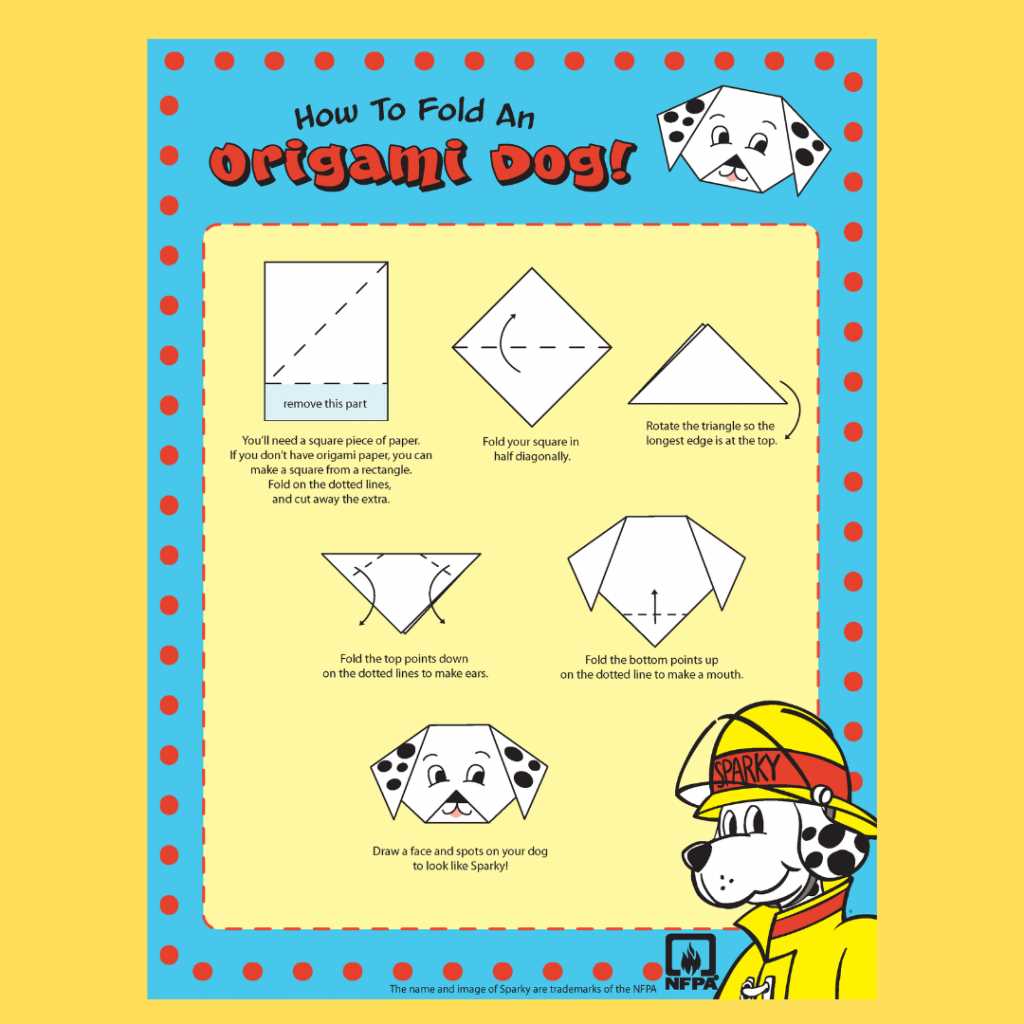
If you’re ready to begin making folded creations, starting with easy-to-follow diagrams can help you achieve success quickly. Whether you’re crafting animals, flowers, or abstract shapes, these visual blueprints break down each step, guiding your hands to create impressive models.
Choosing the right material is key to a smooth experience. Begin with square sheets of paper, ideally around 6×6 inches. For more detailed designs, thicker paper is a better choice, as it holds creases better and provides more structure. Experiment with colored or patterned papers to make your models stand out.
Once you’ve got your supplies, focus on mastering basic folds first. Begin with valley and mountain folds, as they are the foundation for most figures. With clear diagrams showing every crease, you can build a solid understanding of the process before moving on to more intricate patterns.
Don’t rush through the steps. Patience is crucial, especially when you’re starting out. Follow each step slowly, ensuring each fold is crisp and clean. Keep practicing–what may seem complex at first will soon feel intuitive as you become familiar with the basic techniques.
Step-by-Step Visual Guides for Crafting Paper Models
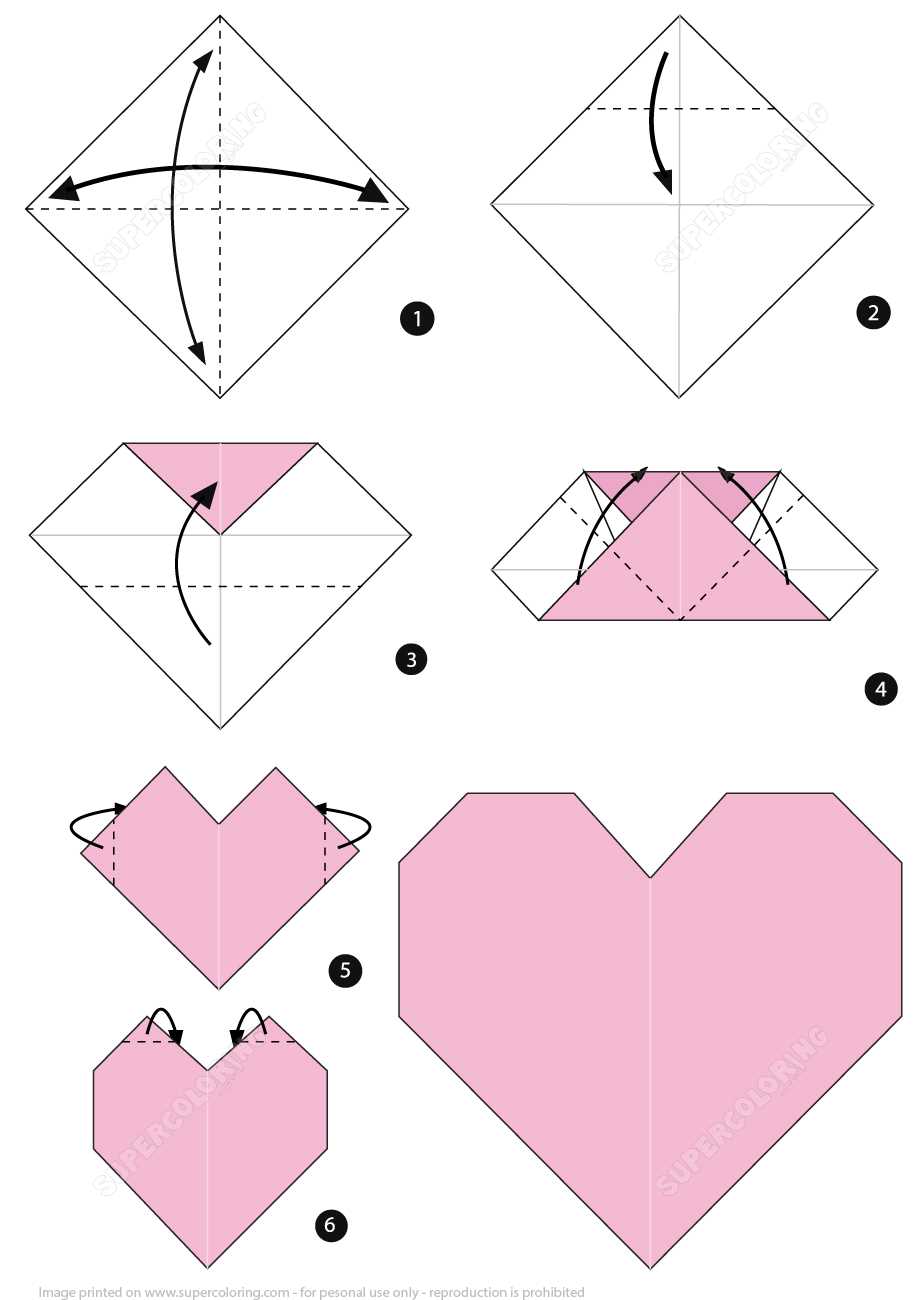
To make the folding process simpler, start by finding clear and easy-to-understand diagrams. These visual aids are invaluable for beginners, as they break down complex steps into manageable actions. Print them out in a size that suits your needs, ensuring you can clearly see each crease and fold. Make sure the images are detailed and organized, highlighting each fold with precise arrows and labels. This will guide you in creating intricate designs with accuracy and ease.
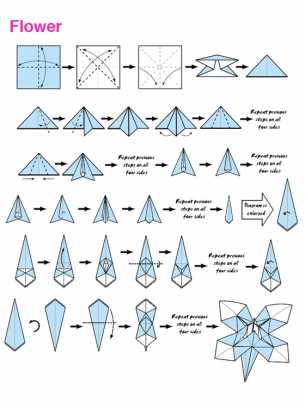
To avoid mistakes, it’s helpful to work with high-quality, smooth paper that holds creases well. Begin with basic shapes like animals or geometric forms to build confidence. As you become more comfortable, try more advanced designs, such as flowers or models that require multiple steps. Having printed visual aids allows you to keep track of your progress without needing to refer back to the instructions constantly.
How to Choose the Right Paper for Your Paper Creations
The first step in selecting paper for your folding projects is to determine the type of design you want to create. If you’re working on intricate details, choose a paper that is thinner and easier to fold, like rice or tissue paper. These papers allow for finer, sharper folds that are perfect for delicate models.
If you’re creating larger structures or models that need to hold their shape, opt for thicker paper. Cardstock or heavier printer paper is ideal for these types of designs. This will ensure that your model doesn’t lose its form and that the folds are sturdy.
Another important factor to consider is the texture of the paper. Smooth paper is best for models with precise folds and sharp creases, while textured paper, such as handmade paper, adds a unique touch to your design but can be more challenging to fold.
Size is a key factor in choosing paper. Smaller squares are ideal for compact, detailed creations, while larger sheets are better for bigger models. Adjust the size based on your skill level and the complexity of the model.
Color plays an important role in your project as well. Choose vibrant colors for models that are meant to stand out, such as flowers or animals. If you’re going for a more subtle design, neutral or pastel colors are great options.
When selecting paper for folding projects, consider using double-sided colored paper. This type of paper adds depth and dimension to your creation, especially in more complex designs where the model’s inner folds might be exposed.
For beginners, it’s recommended to start with standard office paper, which is easy to find and relatively inexpensive. As you gain experience, you can experiment with specialty papers such as foil, metallic, or patterned papers that can add elegance to your creations.
Finally, always consider the weight and stiffness of the paper. Lighter papers are easier to fold, but they can also tear more easily. Stiffer paper holds its shape but might be more difficult to work with. Select a paper that strikes the right balance for your level of expertise and the complexity of your design.