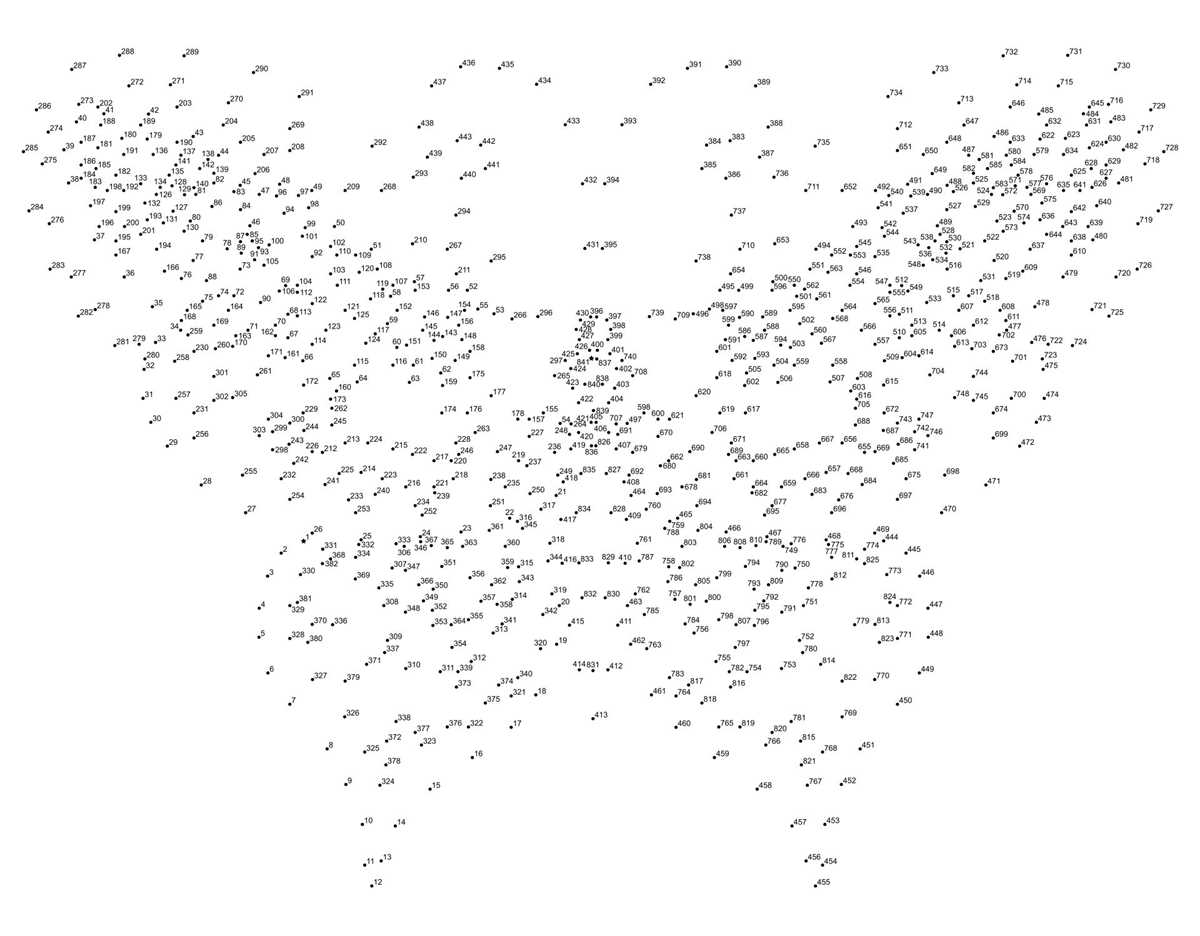
Start with advanced designs that require more attention to detail. These puzzles go beyond simple shapes, featuring intricate patterns and a higher number of points, which provide a greater sense of accomplishment once completed.
For those looking for a higher level of complexity, try puzzles with no reference image or those that follow abstract concepts. This type of activity helps improve concentration and fine motor skills, as the individual must focus on connecting the dots correctly while visualizing the final outcome without any guidance.
As the difficulty increases, it is important to focus on patience and precision. When tackling these challenging puzzles, it is recommended to use fine-tipped pens or pencils to ensure accuracy and avoid making mistakes when connecting distant points.
Such activities are an excellent choice for people who enjoy a mental challenge and want to strengthen their problem-solving abilities while engaging in a relaxing, meditative task. By regularly working on these intricate puzzles, you can enhance both your cognitive abilities and artistic skills.
Challenging Connect-the-Dots Activities
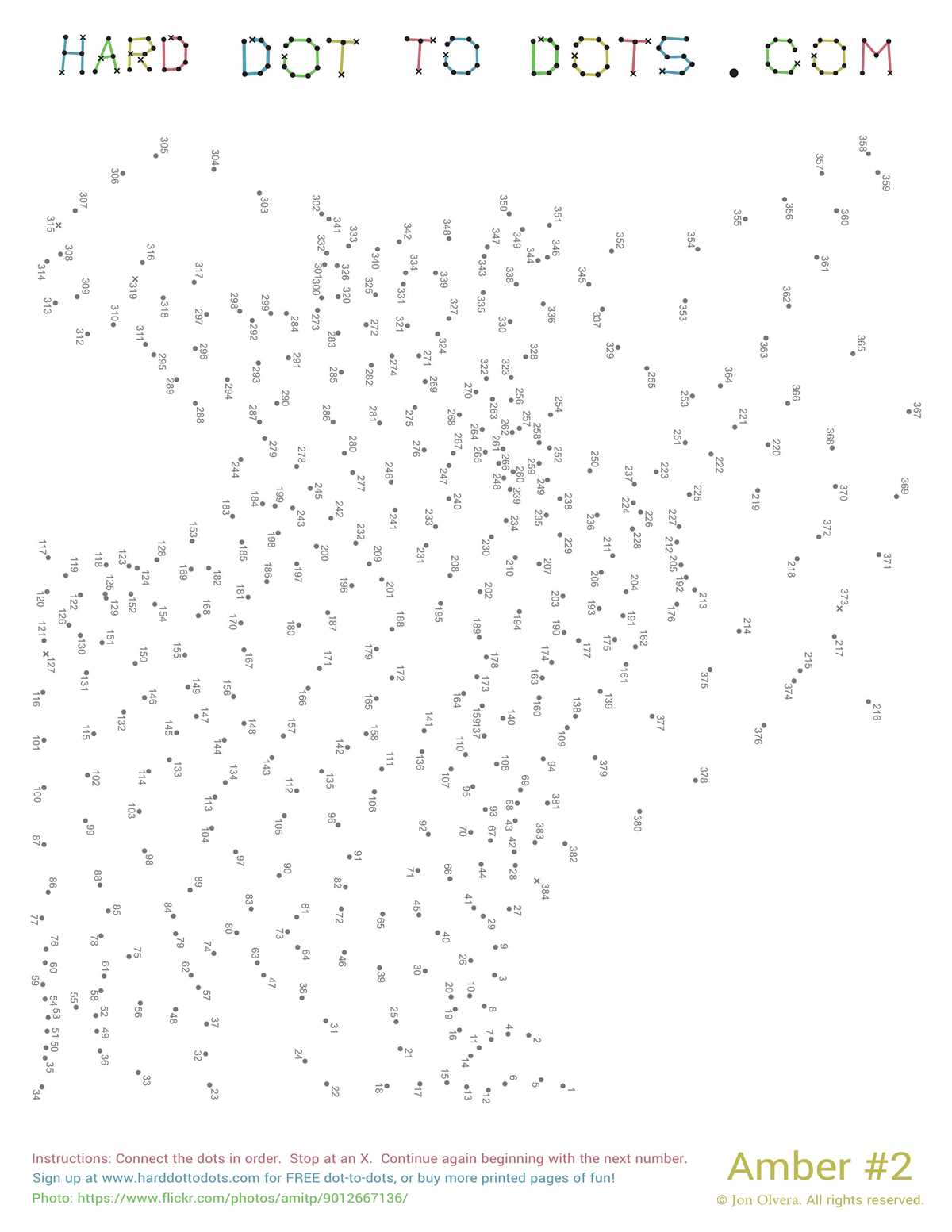
To enhance precision and hand-eye coordination, try engaging with highly intricate connect-the-dots puzzles that feature thousands of numbered points. Such activities not only promote focus but also help improve cognitive abilities. Choose puzzles that involve complicated designs, where the numbering follows a non-linear path, pushing you to carefully track progress across sections.
For those seeking additional complexity, opt for designs that include multiple objects within a single composition. Incorporating overlapping figures or patterns with tightly packed numbers forces you to remain mindful of both sequence and structure. The larger the grid, the more attention to detail is required, making it a rewarding challenge.
Another way to increase difficulty is to work with larger designs that gradually reveal shapes and figures as you complete sections. These puzzles can take considerable time, providing a great way to relax while still challenging your focus and concentration. The payoff comes as the pattern finally emerges, piece by piece.
Choosing the Right Difficulty Level for Different Age Groups
For younger children aged 4-6, opt for simple patterns with fewer connecting points. The goal is to keep their attention and enhance hand-eye coordination without overwhelming them. Basic shapes like stars, simple animals, or geometric figures with no more than 10 connection points are ideal.
For kids between 7-9 years old, the complexity can increase slightly. Here, you can introduce designs with up to 20 connection points. Images such as trees, cars, or household objects are good choices. Ensure that the connections are straightforward, with clear progressions from start to finish.
As children approach ages 10-12, they can manage more intricate images. Consider providing images with 30-50 connection points, such as detailed animals or vehicles. At this stage, the connection paths may not be as simple, requiring more focus and patience.
Teenagers (ages 13+) can engage with designs containing over 50 points. These can include highly detailed patterns, complex objects, or intricate landscapes. The challenge lies not just in the number of connections but in the finer details that demand precision.
For older adults, especially beginners or those looking for a calming activity, designs with a moderate number of connection points (15-30) are best. Opt for images that are aesthetically pleasing but not too overwhelming, such as floral patterns or abstract designs.
People with advanced skills or seeking a challenge can handle more complex patterns. These can include more than 50 connections and images that require a higher degree of concentration. Think of intricate mandalas, detailed scenes, or objects that require significant attention to detail.
It’s essential to take into account the time and focus needed for each difficulty level. For younger children, shorter, simpler activities keep the experience fun and engaging, while more complex designs can stretch the patience and skills of older participants.
Consider preferences and cognitive development when selecting the right level. While younger children enjoy faster, simpler tasks, older individuals may find satisfaction in completing intricate designs that provide a sense of accomplishment and relaxation.