
Antidepressants are often prescribed for mood disorders. Common categories include selective serotonin reuptake inhibitors (SSRIs) such as fluoxetine (20–80 mg/day), and serotonin-norepinephrine reuptake inhibitors (SNRIs) like venlafaxine (75–225 mg/day). Start low, go slow when adjusting doses to minimize side effects.
Antipsychotics like olanzapine (5–20 mg/day) and risperidone (1–6 mg/day) are typically used for managing symptoms of schizophrenia or severe bipolar disorder. Dosing adjustments may be required based on response and tolerance. Watch for metabolic side effects such as weight gain and dyslipidemia.
Stimulants are the first-line treatment for attention-deficit hyperactivity disorder (ADHD). Methylphenidate (5–60 mg/day) and amphetamine salts (5–40 mg/day) are commonly prescribed, with close monitoring for cardiovascular issues and dependency potential.
Anti-anxiety agents like lorazepam (0.5–4 mg/day) provide rapid relief, but should be limited to short-term use due to the risk of tolerance and dependence. Non-benzodiazepine options such as buspirone (15–60 mg/day) offer longer-term solutions without the same risks.
Medication Reference Guide for Mental Health Disorders
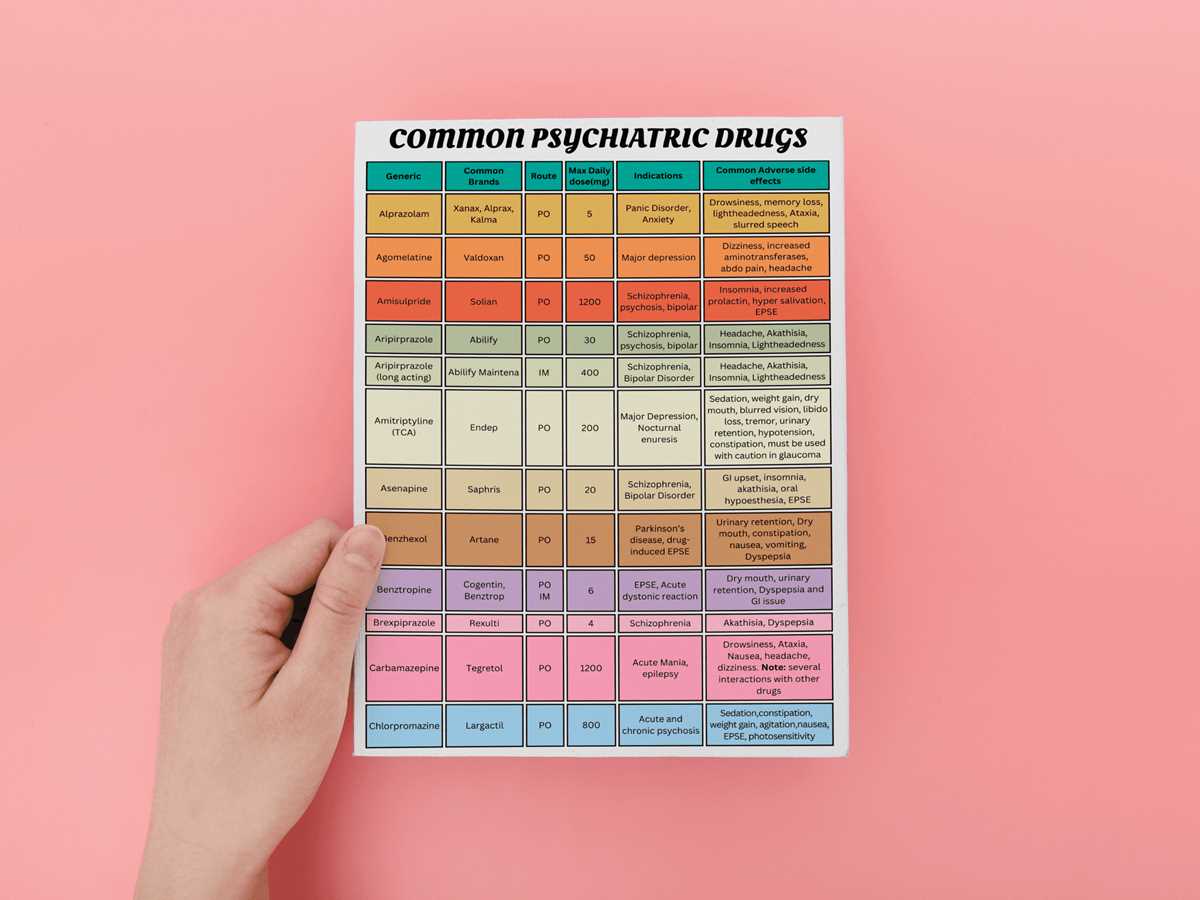
For patients with mood disorders like depression or bipolar disorder, antidepressants such as selective serotonin reuptake inhibitors (SSRIs) and serotonin-norepinephrine reuptake inhibitors (SNRIs) are commonly prescribed. These medications target neurotransmitter imbalances in the brain. For SSRIs, consider fluoxetine, sertraline, or escitalopram. For SNRIs, venlafaxine and duloxetine are top options. Dosage typically starts low and is adjusted based on response.
Patients with anxiety disorders benefit from medications like benzodiazepines for short-term relief. Drugs such as alprazolam, lorazepam, and clonazepam provide quick onset of effects. However, due to the risk of dependence, these should be used for only a brief period. Long-term treatment might include SSRIs or buspirone, which have less potential for abuse.
For patients diagnosed with schizophrenia or other psychotic disorders, antipsychotic medications are critical. First-generation agents such as haloperidol or chlorpromazine are sometimes used but carry a higher risk of side effects like tardive dyskinesia. Second-generation drugs, including risperidone, quetiapine, and aripiprazole, are preferred for their more favorable side-effect profile.
In cases of severe insomnia or agitation related to mental health conditions, sedative-hypnotics like zolpidem and eszopiclone may be prescribed for short-term use. These drugs are designed to improve sleep onset and quality but should not be taken long-term due to risk of dependence and tolerance.
For individuals with attention-deficit hyperactivity disorder (ADHD), stimulant medications such as methylphenidate (Ritalin) and amphetamine salts (Adderall) are first-line treatments. These increase dopamine and norepinephrine activity in the brain, improving focus and reducing hyperactivity. Non-stimulants like atomoxetine can be considered for those who do not respond well to stimulants.
For those managing mood swings or impulsivity in conditions like borderline personality disorder, mood stabilizers like lithium or anticonvulsants such as valproic acid and lamotrigine may be effective. Lithium is particularly useful for managing mania and preventing relapse in bipolar disorder.
Electroconvulsive therapy (ECT) remains a critical option for individuals who do not respond to pharmacological treatments. While not a medication, it is a recognized intervention for severe depression, particularly when rapid symptom relief is needed. It’s typically administered in a clinical setting and under anesthesia to minimize discomfort.
HTML
Quick Reference for Common Antidepressants and Their Dosages
Fluoxetine (Prozac) – Start with 20 mg daily, preferably in the morning. Dose can be increased to 40-60 mg after 1-2 weeks, depending on patient response. Maximum dose: 80 mg. Ideal for patients with anxiety and depression.
Sertraline (Zoloft) – Initiate with 50 mg per day, adjust after 1-2 weeks. Can be raised to 100-150 mg based on therapeutic effect. For patients with co-occurring mood and anxiety disorders, sertraline is effective at doses up to 200 mg per day.