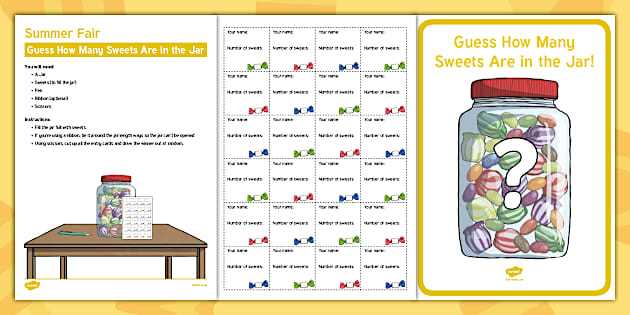
Use a simple yet fun activity where participants estimate the number of items in a container. This task is perfect for young learners to develop their estimation and counting skills. Start by selecting a clear container and filling it with small objects like beans, coins, or buttons.
The key is to ensure that the objects are visually distinguishable, making the task enjoyable and challenging. After filling the container, have the students make their guesses based on size and shape. For older children, introduce a series of similar-sized objects to increase difficulty and encourage critical thinking.
Once guesses are made, reveal the correct number and allow time for students to discuss their strategies. This activity encourages estimation skills, strengthens number sense, and sparks conversation about mathematical reasoning. Adjust the difficulty according to the age group, and continue to provide new materials for repeated practice.
Engage Your Students with Estimation Activities
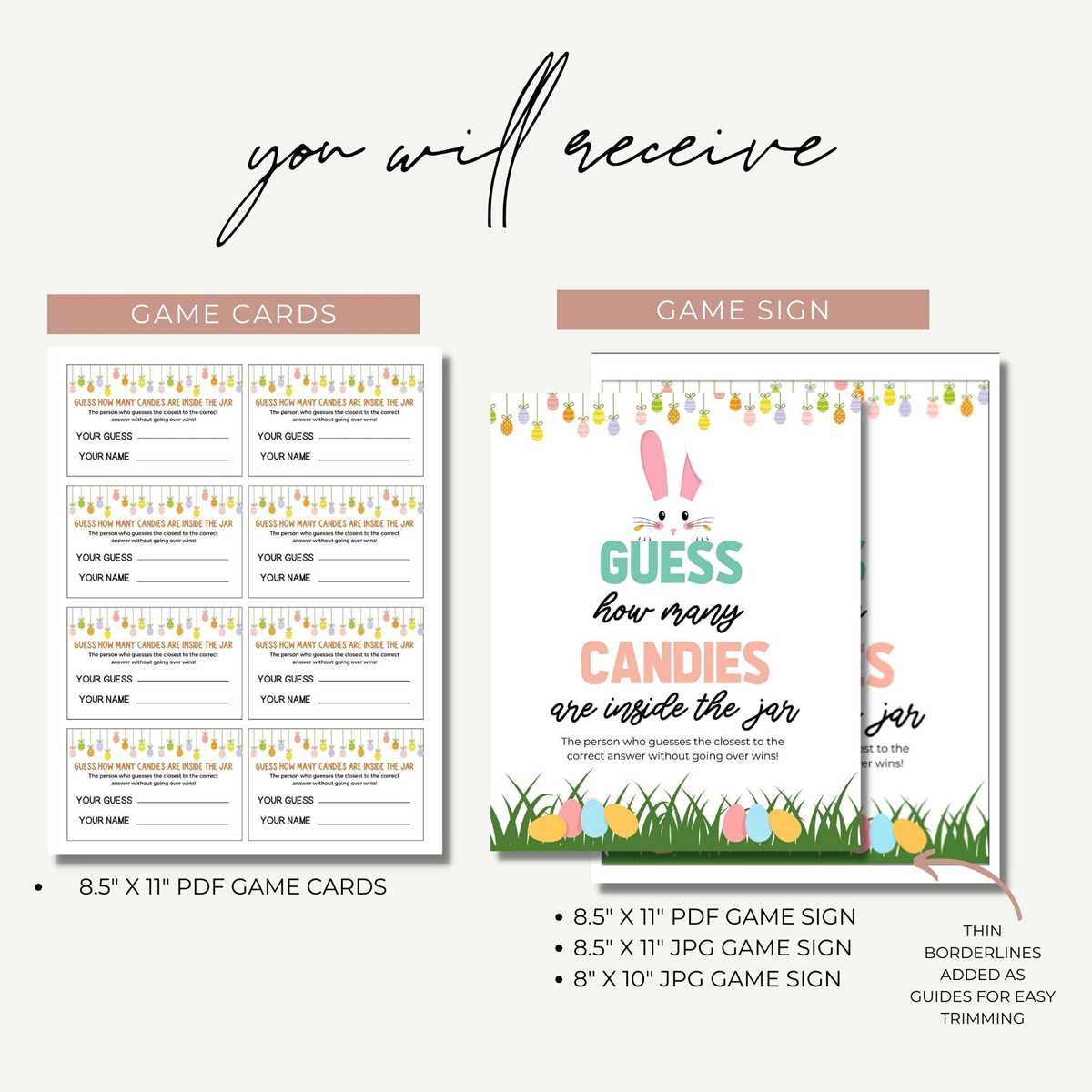
Start with a simple estimation activity using small items like coins, buttons, or beans. Place these objects inside a container and ask students to estimate how many objects are inside. For younger students, use clear containers to make counting easier, while for older students, consider using opaque containers to increase the challenge.
Once guesses have been made, reveal the actual number and discuss strategies used to estimate. This helps develop critical thinking and number sense. Encourage students to analyze what made their guesses too high or too low and how they could improve next time. This method works well both in classrooms and at home for fun learning sessions.
To add variety, include different types of objects in subsequent rounds. You can also change the theme, such as using candy, paper clips, or even colored blocks, to keep the activity engaging. For older kids, set up challenges where they can group similar items and estimate how many groups are needed to make up a specific quantity.
For extra fun, incorporate games where students can take turns being the “host” who fills the container and provides clues to the rest of the class. This creates an interactive and social learning environment while strengthening their estimation skills.
How to Prepare the Template for Interactive Learning Sessions
Start by selecting an activity that suits the learning objectives. If your goal is to improve estimation and counting, ensure that the activity includes a variety of items with a clear visual structure. Use a variety of sizes and shapes to create a fun and challenging experience for the learners. This allows the template to cater to different levels of learners, from beginners to more advanced students.
Next, organize the learning material. If you’re working with a digital platform, ensure the interactive elements are easy to access and manipulate. If you’re using printed resources, consider providing laminated sheets that can be reused with dry erase markers. This will allow learners to practice multiple times without wasting resources. Clearly label each section for easy navigation.
After preparing the materials, customize the difficulty levels. For younger students, use smaller numbers and more obvious distinctions between items. For older students, introduce higher numbers and potentially complex objects, such as sorting by category or creating patterns. This helps keep the activity challenging and appropriate for their skill level.
Set up the activity space. If you’re working with a group, arrange the materials on a table or board where students can easily interact with them. If using a digital format, ensure that each interactive element is visible on the screen without overlapping. For a more dynamic session, allow students to move around the room and participate actively, especially when physical objects are involved.
Once the materials are organized, give clear instructions. Explain the objectives and guide the students on how to use the materials. Offer hints or clues, but encourage them to think independently as they solve the problems. Make sure to give plenty of opportunities for questions and clarification before starting the activity.
Finally, prepare for assessment. As students engage with the activity, observe their methods and problem-solving approaches. You can use quick informal checks or provide feedback after each session. This helps in adjusting the learning process and improving the overall experience for the learners. Consider documenting their progress for future reference or follow-up activities.