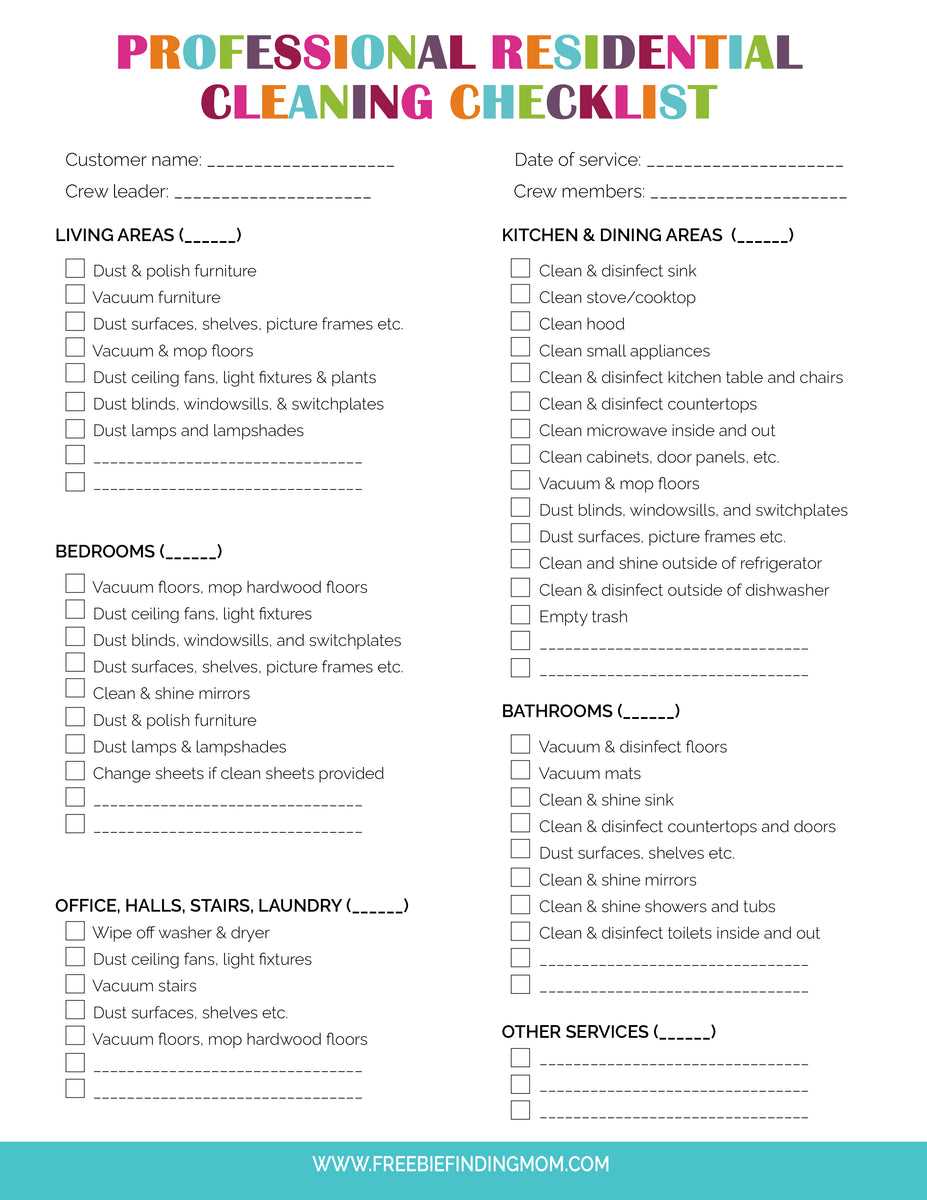
Begin by assessing your space. Prioritize high-traffic areas like the kitchen and bathrooms, where dirt and grime accumulate quickly. Focus on surfaces such as countertops, sinks, and floors. These spots need attention frequently to maintain cleanliness and hygiene.
When planning your tasks, break them down by room. For example, in the living room, dust surfaces, vacuum carpets, and clean windows. In the bedrooms, change bed linens, dust furniture, and clean under the bed. A thorough plan helps you stay organized and avoid missing key areas.
Incorporate seasonal tasks like washing windows or deep cleaning appliances. The goal is to maintain a clean environment with minimal effort on a daily basis. Set aside time each week for routine tasks, and tackle deeper cleaning less often, like once a month or quarterly. Following a structured approach will make the work less overwhelming and ensure that no area is neglected.
Complete Home Care Task Guide
Start by focusing on areas that accumulate the most dirt: the kitchen and bathroom. In the kitchen, clean countertops, wipe down the refrigerator, and sanitize high-touch spots like handles. Scrub sinks and ensure the microwave, oven, and stovetop are spotless. The bathroom requires the same level of attention–scrub the toilet, sink, and shower or bathtub, and sanitize mirrors and faucets.
Move on to dusting all surfaces in the living and dining rooms. Don’t forget shelves, furniture, and baseboards. For floors, vacuum or sweep and mop to remove any dirt or debris. Clean light fixtures and wipe down remote controls and electronics, as these often get overlooked.
In the bedrooms, change bedding, flip mattresses, and vacuum carpets. Wipe down nightstands, lamps, and dressers, removing any dust or clutter. Ensure that your closets and storage spaces are tidy by organizing clothes and removing any items you no longer need.
For areas like hallways and entryways, dust light fixtures, wipe down doors and handles, and ensure any furniture or mats are free of dirt. If you have stairs, vacuum and dust the rails for a thorough finish.
Seasonal tasks should also be included in your routine. This might involve washing windows, cleaning ceiling fans, or wiping down air vents. Make sure to deep clean appliances such as the washing machine, dishwasher, or refrigerator, which are used frequently but can often be overlooked in regular cleaning schedules.
Don’t forget to disinfect all high-touch surfaces throughout the entire space. This includes door handles, light switches, remotes, and keyboards. Regular sanitation of these areas helps maintain hygiene and minimize the spread of germs.
If you want to streamline the process, break down tasks into smaller chunks throughout the week. Assign certain areas to specific days, such as focusing on one floor or one room per day, ensuring no tasks are left undone.
Lastly, set up a regular schedule. Create a routine for daily, weekly, and monthly chores. Keeping a list or plan ensures consistency and prevents buildup, making each session more manageable and less overwhelming.
Key Areas to Include in a Complete Home Routine
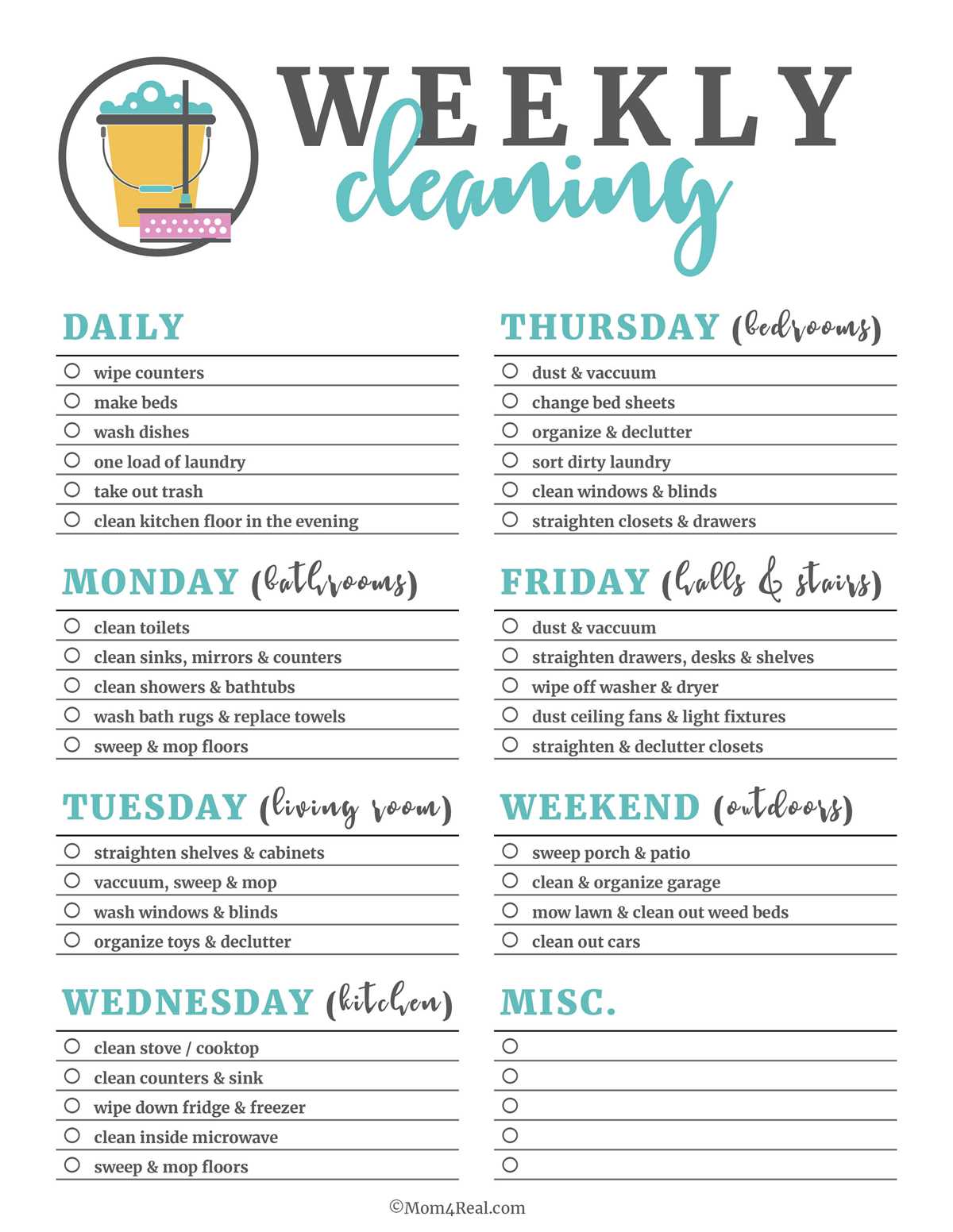
Focus on the kitchen, where grease and spills accumulate quickly. Clean countertops and appliances like the microwave, fridge, and stovetop. Don’t forget to clean inside the fridge, as old food can lead to odors. Wipe down cabinets and sanitize the sink, ensuring all dishes and utensils are cleaned and put away.
Move to the bathroom next. Regularly scrub toilets, sinks, and tubs or showers to prevent buildup. Pay attention to grout and tile, as these areas can collect soap scum and mold. Mirrors and faucets should be wiped down often to remove water spots and fingerprints. Replace used towels and wash mats regularly.
Dusting is crucial in all living areas. This includes surfaces like furniture, shelves, baseboards, and light fixtures. Dust can accumulate quickly on electronics and decorations, so be sure to wipe down these areas to maintain cleanliness. Pay attention to air vents, which can gather dust and impact air quality.
Floors should be vacuumed or swept daily, particularly high-traffic areas like entryways and living rooms. Mop hard floors once a week to remove any lingering dirt or stains. For carpeted areas, deep clean regularly to lift dirt from within the fibers and ensure freshness.
Don’t overlook bedrooms. Rotate or flip mattresses to ensure even wear and prevent dust buildup. Wash bedding weekly, including pillowcases and comforters, to maintain a fresh sleeping environment. Vacuum under the bed and other furniture to clear away dust and dirt that can accumulate over time.
Windows and blinds are often overlooked in routine upkeep. Clean windows inside and out for a clearer view and brighter rooms. Dust or wipe down blinds and shades to ensure they aren’t collecting dust, which can impact air quality. Use a microfiber cloth for the best results.
Lastly, organize as you clean. Regularly go through cluttered areas like closets, garages, or storage spaces. Sort through items, discard what’s no longer needed, and organize the rest for easier access. This will reduce the overall mess and keep the home more manageable in the long run.