Start by selecting a high-quality material that will withstand outdoor elements. Choose a durable sheet that resists fading and damage from rain, sun, and dirt. These materials are ideal for custom designs that need to last for years, making them perfect for vehicles exposed to various weather conditions.
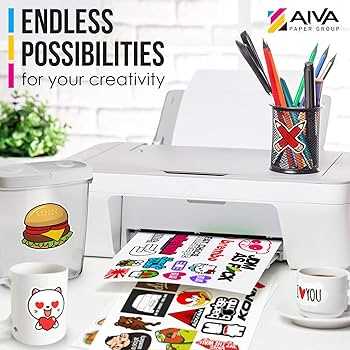
Next, make sure the material is compatible with your printing and cutting equipment. Most of these sheets are designed to work well with inkjet or laser printers, providing sharp and vibrant colors for your design. After printing, use a cutting tool or machine to ensure precise shapes for a clean, professional look.
When applying the design, prepare the surface by cleaning it thoroughly. This ensures that the adhesive bonds well and prevents peeling over time. Once applied, use a squeegee or similar tool to press the design smoothly, removing any air bubbles. After installation, your custom design will be ready to withstand the elements and remain intact for the long term.
Choosing the Right Material for Durable Designs
Select a material that can withstand environmental stress, including exposure to moisture, sunlight, and extreme temperatures. This type of material will ensure your artwork remains intact and vibrant, regardless of weather conditions.
Look for adhesive-backed sheets that provide a secure grip on smooth surfaces, like the body of a vehicle. These materials offer ease of use and ensure the design stays firmly in place over time. Clean the area thoroughly before applying for the best result.
When working with these materials, make sure they are compatible with your printer. Some are designed specifically for inkjet or laser printers, so check the manufacturer’s guidelines to avoid issues with ink smudging or poor adhesion.
Consider adding a protective layer, such as a laminate, over the design. This will add an extra layer of defense against scratches, dirt, and water, keeping your graphics looking fresh and vibrant for a longer period.
To ensure your design fits perfectly, measure the area where you plan to apply it. This will help you avoid mistakes in sizing and scaling. Many online tools are available to adjust designs to your exact specifications.
After application, avoid aggressive cleaning methods that could damage the material. Gently wash the area with a soft cloth to maintain the quality of the design and extend its lifespan. Regular maintenance will keep it looking new for longer.
How to Choose the Right Waterproof Material for Designs
First, verify the durability of the material against weather elements such as rain, sun, and temperature fluctuations. Opt for a material that is resistant to fading, cracking, or peeling when exposed to outdoor conditions.
Ensure the product you select offers a strong adhesive that can bond well to smooth surfaces. This will help ensure that the design stays intact over time, even with exposure to movement or external forces.
Check compatibility with your printing method. Some products are tailored specifically for inkjet printers, while others work best with laser printers. Be sure to pick the right one to avoid ink smudging or fading.
Consider the finish of the material. A glossy finish will make colors appear vibrant, while a matte finish can give your design a more understated, professional look. Choose based on the desired visual effect and the style of the design.
Thickness matters. Thicker materials tend to provide more durability, especially if they are exposed to high-impact surfaces or areas with high friction. Thicker materials are less likely to tear or get damaged.
Evaluate ease of application. Choose a product that allows for smooth, bubble-free installation. Some materials come with air-release adhesives that help to eliminate bubbles during application, making it much easier to work with.
Finally, consider additional protective coatings such as laminates that can add an extra layer of protection against scratches and UV rays. This can prolong the lifespan of your design and maintain its quality for a longer period.