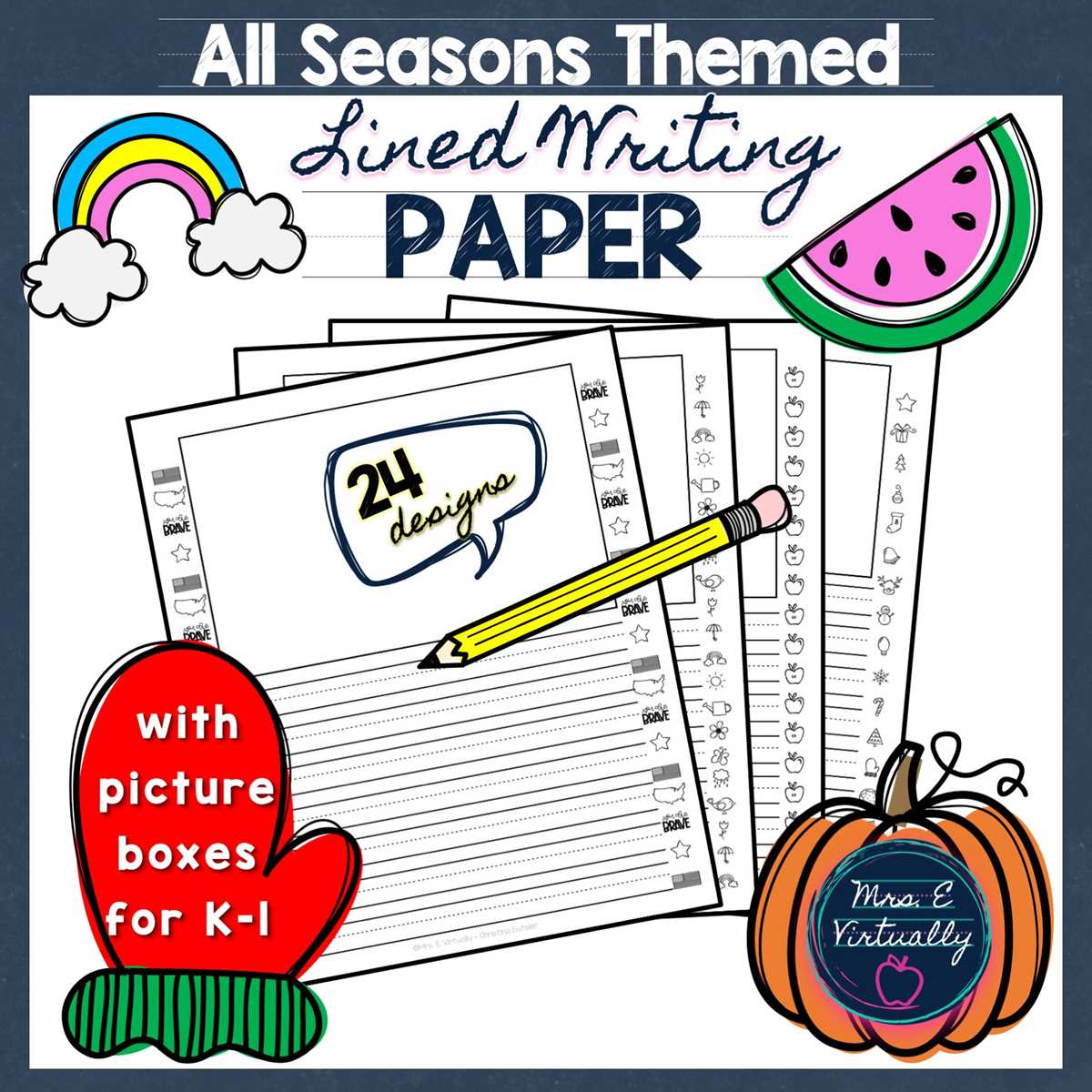
Start by selecting templates that include both guides for letter formation and ample space for writing practice. This allows young learners to develop proper grip and consistency when forming characters. Look for options that provide both uppercase and lowercase formats to practice a range of letters.
Consider the type of lines on the page–wide lines with a dashed center help children understand letter size and placement. These visual cues make it easier for beginners to align their writing, aiding in better letter formation. Templates with extra space for additional lines or sentences can be useful as children progress in their skills.
Additionally, focus on clarity. The clearer the lines, the easier it is for children to focus on learning. Color-coded or visual aids can further enhance the learning process. As children improve, gradually transition to more complex sheets with reduced guides or tighter lines.
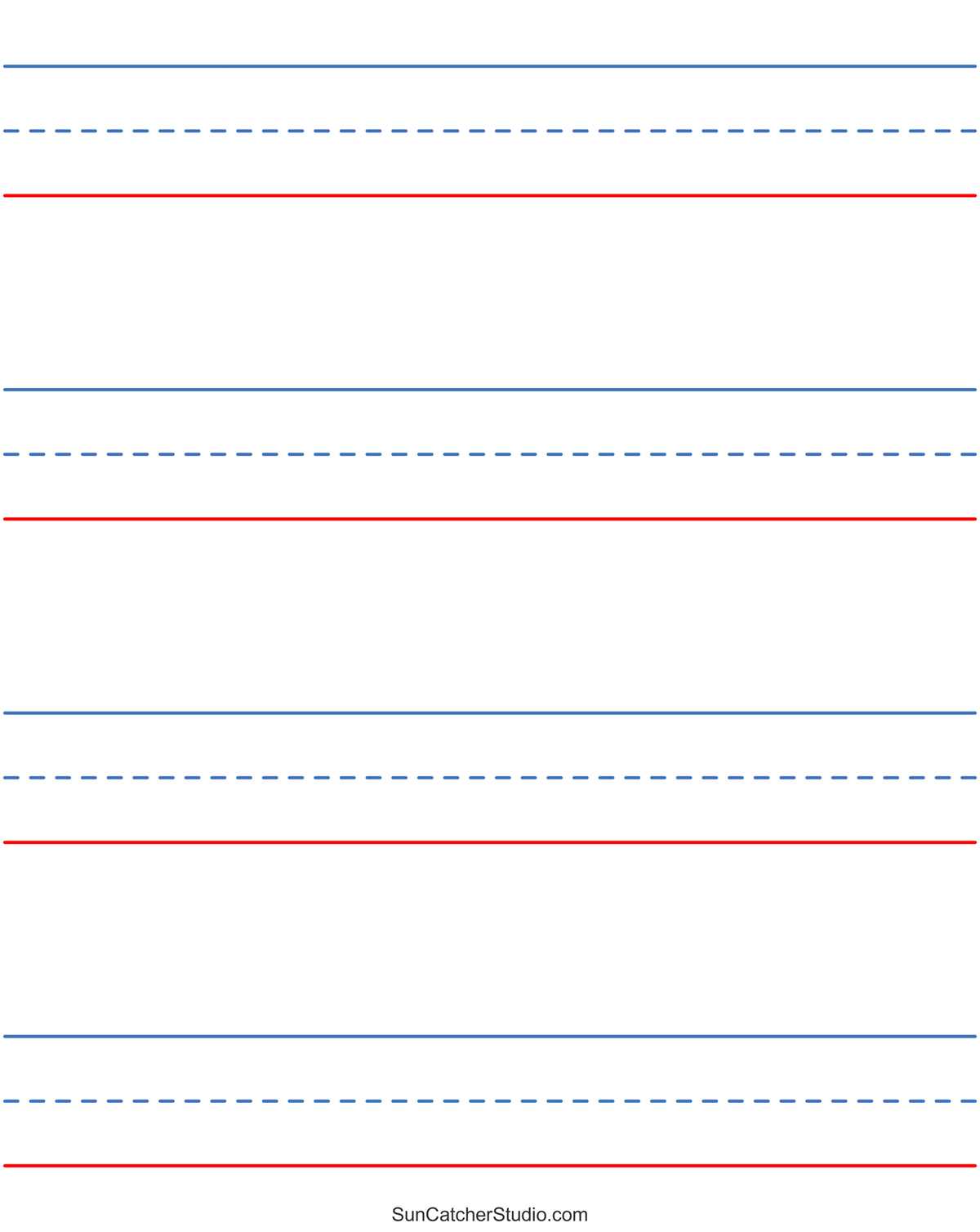
Primary Writing Sheets for Early Education
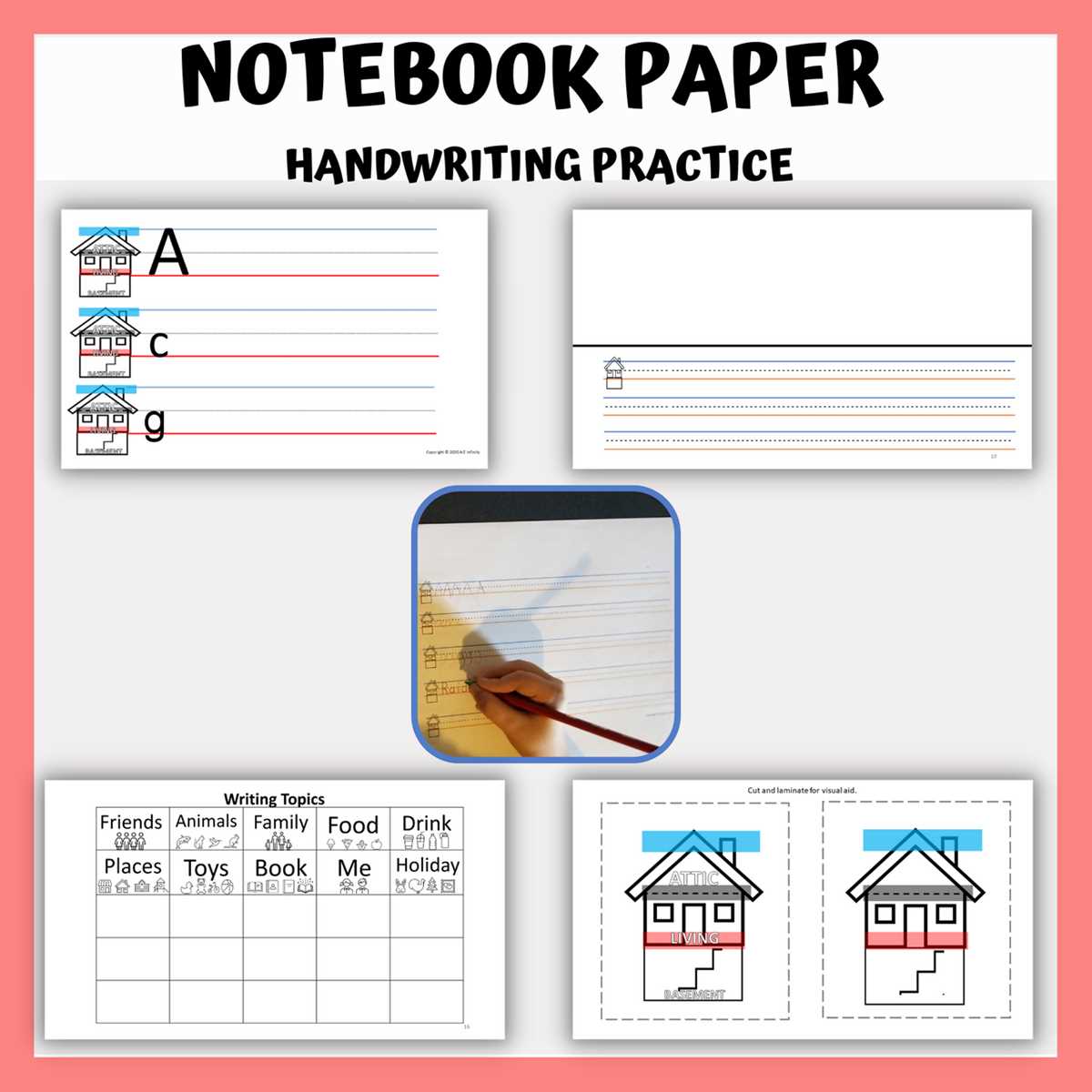
Choose templates that include large lines to provide ample space for beginners to practice forming letters clearly. The wider spacing helps children with hand-eye coordination, enabling them to stay within boundaries while writing. The larger format allows them to develop muscle memory as they write each letter repeatedly.
It’s important to select templates that have distinct guidelines, such as dashed or dotted lines, to teach children where to place each part of the character. These visual cues help to separate different elements of letters, ensuring that children understand letter placement and consistency in size.
Incorporating both uppercase and lowercase versions of characters in the same set allows children to practice different forms of each letter. This promotes recognition and fluency with both letter types, which is fundamental as they advance in their writing skills.
Consider starting with templates that include both words and simple sentences. These provide context for children to practice writing letters within words, helping them understand the flow of writing from left to right. Gradually increasing the complexity of the sentences encourages further development of motor skills and cognitive understanding.
Also, look for options that have a clear, easy-to-read font, with uniform letter proportions. Consistent letter size is crucial for developing proper writing techniques, as irregular characters can cause confusion and hinder progress. Templates with standard fonts, like those used in educational resources, provide a model to follow.
Templates with colored lines or borders may be beneficial for younger students who are just beginning to grasp the concept of writing. The color helps guide their eyes and gives them a visual target for their penmanship. As students become more comfortable, switch to plain black and white templates to reduce visual clutter.
Lastly, it’s helpful to have a variety of template types available. Some children may benefit from having a larger margin of space at the top or bottom of the page for free writing practice or drawing. This allows students to express themselves creatively, which can make the writing experience more engaging and enjoyable.
How to Choose the Best Writing Sheets for Young Learners
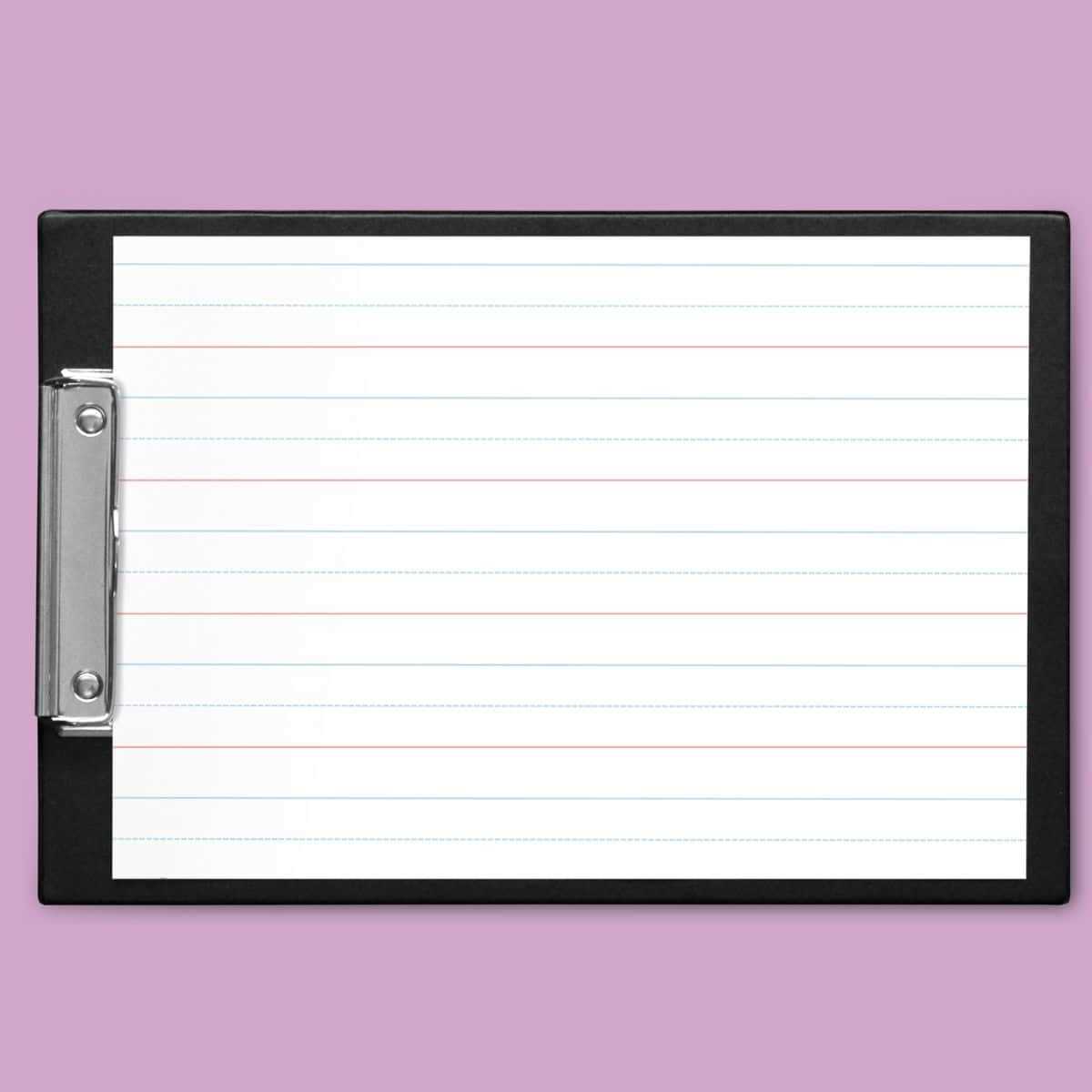
Select sheets with wider lines and ample space to guide young learners in forming each character clearly. This helps students develop motor control and maintain proper spacing between letters, which is essential for legibility.
Choose formats with dashed or dotted lines to assist children in understanding where each stroke should begin and end. These markings provide a visual reference, helping them understand the structure of each character as they write.
Templates with both uppercase and lowercase options allow learners to practice writing in various formats. Understanding the difference between these two types and how they are used in different contexts is crucial for building fluency.
Opt for designs that include simple words or short phrases in the exercises. By writing familiar words, children will connect the practice of individual letters to real-world use, enhancing both learning and motivation.
Look for sheets that include a clear and consistent font. Choosing a uniform and simple style, such as a basic print font, helps prevent confusion. Irregular or decorative fonts might interfere with understanding how to form letters correctly.
Incorporate options with different line heights. Starting with a larger line height allows beginners to better control their penmanship, and as students improve, templates with smaller lines can help fine-tune their skills.
For younger learners, consider including templates with color-coded lines or borders. The addition of color helps them visually focus on each area of the writing space, providing a clear target for their pencil or pen strokes.
Finally, ensure that the design allows room for free expression, whether it’s through additional space for drawing or practicing free writing. Giving students opportunities to write creatively boosts engagement and allows for hands-on exploration of their writing skills.