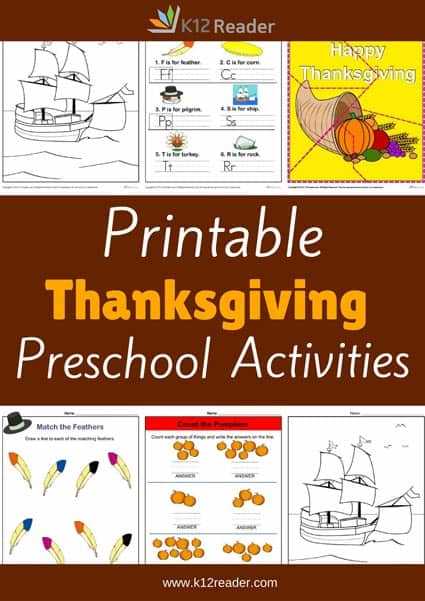
Start by selecting fun and simple designs that allow for easy interaction. Choose activities that involve cutting, coloring, and assembling to keep young learners engaged. Focus on simple shapes like pumpkins, turkeys, and leaves that are easy to recognize and work with. These activities help reinforce basic motor skills and cognitive development while adding a festive touch to the learning process.
For an interactive experience, integrate easy-to-follow puzzles or tracing exercises. These types of tasks are perfect for introducing concepts like matching, counting, and pattern recognition. The key is to use engaging visuals and encourage creativity, allowing children to personalize their creations with different colors and decorations.
Incorporate themed crafts that can double as decorations. Creating simple items like paper garlands or handprint art allows children to contribute to decorating their space. You can also create a few games that revolve around matching shapes, colors, or animal figures to add an element of fun alongside the learning.
Printable Fun for Little Ones During the Holiday Season
For younger learners, simple coloring sheets featuring festive symbols like pumpkins or autumn leaves are a great starting point. These designs help develop fine motor skills while giving children the opportunity to express their creativity. Use vibrant markers or crayons to fill in these images, offering endless options for personalization.
Puzzles are another engaging option. Simple jigsaw puzzles with seasonal images can help children practice problem-solving and shape recognition. Create or find a puzzle that’s easy to assemble but still challenging enough to keep them interested.
Crafts involving handprints or cutouts make a memorable holiday experience. Try making a turkey with handprints, using colorful paper for feathers. These projects are not only fun but also create keepsakes for parents, making them more meaningful.
Interactive worksheets that feature counting or matching games work well for reinforcing early learning. For example, have children match the number of items with the correct number written next to them. It’s an effective way to incorporate both play and education into the learning process.
Games that involve identifying and sorting shapes or colors are also valuable. Create a set of cards with different shapes or colors, and have children sort them based on their properties. This helps develop cognitive skills and enhances focus while enjoying a themed activity.
Another enjoyable idea is to make holiday-themed masks. Print out templates for animals, such as turkeys or farm animals, and allow children to color and decorate them. Once they’re done, the masks can be worn, turning this activity into a fun performance or storytelling session.
Don’t forget to incorporate seasonal songs and rhymes as part of the fun. Singing along while coloring or crafting helps children practice language skills and memory. Choose songs that match the holiday’s theme and encourage children to sing or act along as they craft their projects.
How to Use Crafts for Seasonal Themed Learning
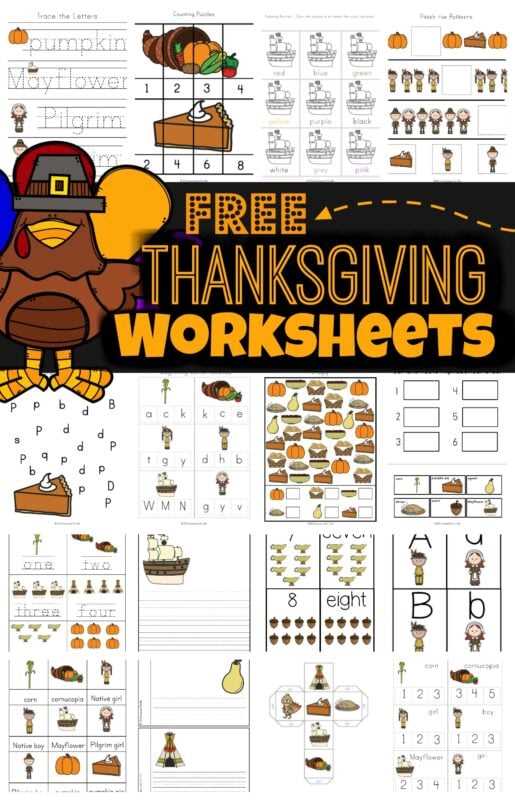
Start by integrating simple coloring projects that focus on symbols related to the season, such as leaves, pumpkins, or animals like turkeys. These activities allow children to practice fine motor skills while connecting with seasonal themes. Provide a variety of colors to encourage creativity and teach color recognition at the same time.
Incorporate shape and pattern recognition into craft projects. Use templates featuring basic shapes like circles, triangles, and squares that children can cut out and arrange to form holiday-themed objects. This activity enhances both cognitive and motor development as kids assemble their own interpretations of familiar images.
For a more educational approach, create projects that incorporate counting or matching. For instance, a simple worksheet can involve matching the correct number of items to the corresponding numeral. This type of activity helps reinforce early math skills while maintaining engagement through the theme.
Crafts that involve textures or tactile elements provide a great opportunity for sensory learning. Create a textured scene using different materials, like cotton for clouds, fabric scraps for leaves, or glitter for stars. This can help children develop tactile awareness and improve hand-eye coordination as they handle various materials.
Finally, use craft time as a way to tell stories. Have children create characters or scenes from a holiday-related tale and then act out the story. This will improve their language skills, comprehension, and social development while they work together in a fun and interactive setting.