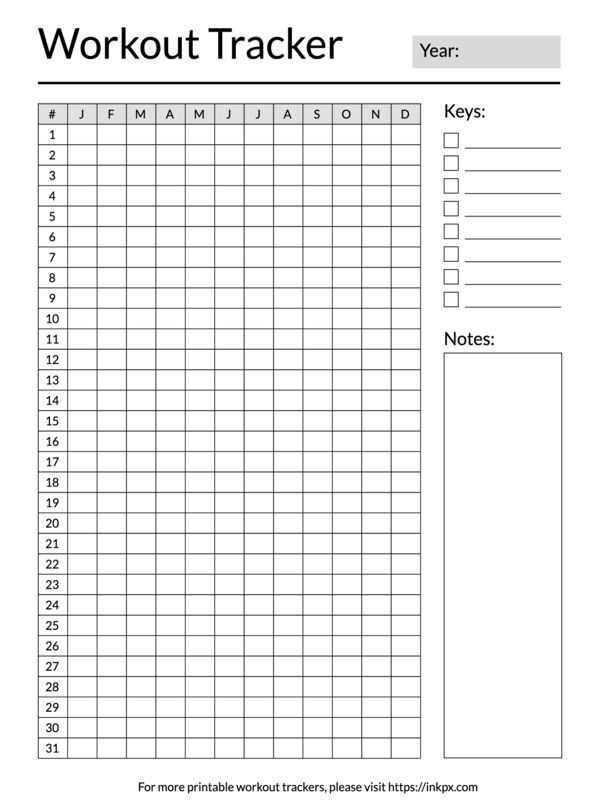
To stay on top of your fitness routine, it’s best to have a tool that helps monitor your progress. A paper-based log can be a straightforward and reliable method. It’s simple to create, highly flexible, and you can easily track various aspects like sets, reps, duration, and personal notes after each session.
Choose the format that suits your goals. If you prefer more detailed tracking, consider a template that includes space for different exercises, weight used, and personal reflections. For those with a minimalistic approach, a simple table with just key metrics might work best. Templates can be found online, or you can make your own to suit your needs.
Consistency is key. Make it a habit to fill out the sheet after every workout. This ensures you capture all the details of your session while they’re still fresh in your mind. Over time, you’ll see patterns emerge, allowing you to make more informed adjustments to your routine.
Workout Tracker Printable Guide
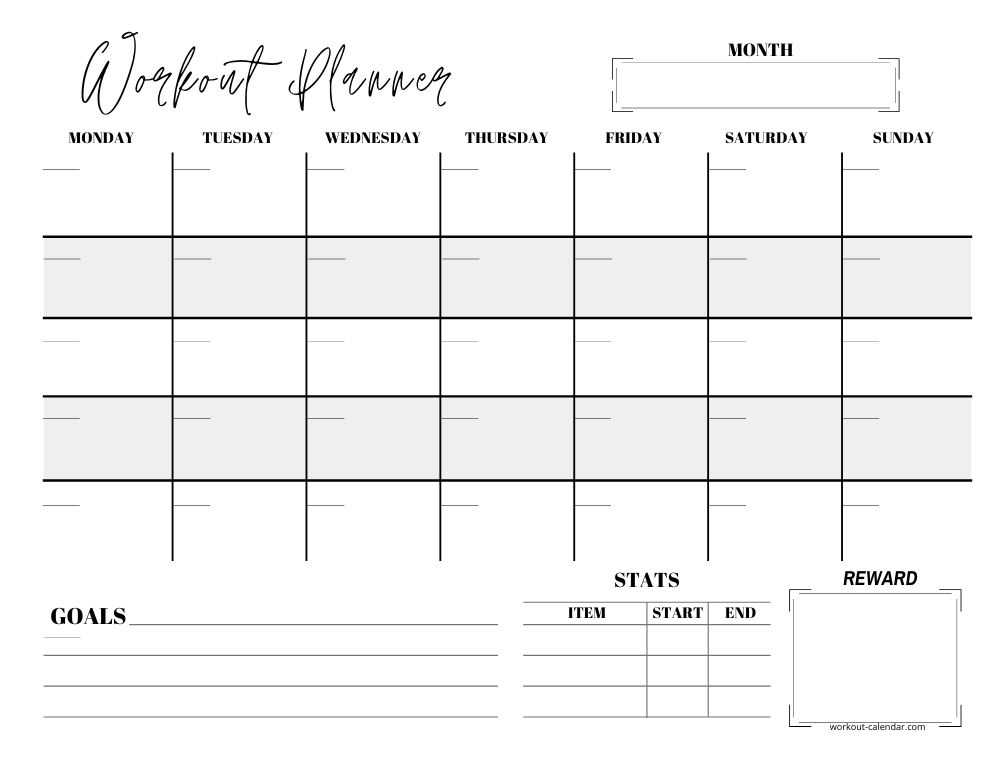
Start by selecting a layout that aligns with your fitness goals. If your objective is to monitor endurance, include sections for time and distance. For strength training, focus on space for weights, sets, and reps. These sections will help tailor the document to your personal fitness plan.
Customize categories based on your workout types. A general fitness log can include basic fields such as exercise name, date, time, intensity, and personal notes. If you’re following a more specific routine, like interval training or circuit workouts, create spaces for rest intervals, rounds, or exercises performed during each set. Keeping track of your goals helps measure progress effectively.
Review and adjust your format regularly. Every few weeks, evaluate how your log is working for you. Are there details you’re missing? Should some sections be restructured to better capture your results? Continuous tweaks will make the process more useful and tailored to your personal workout style.
How to Create a Customizable Printable Workout Tracker
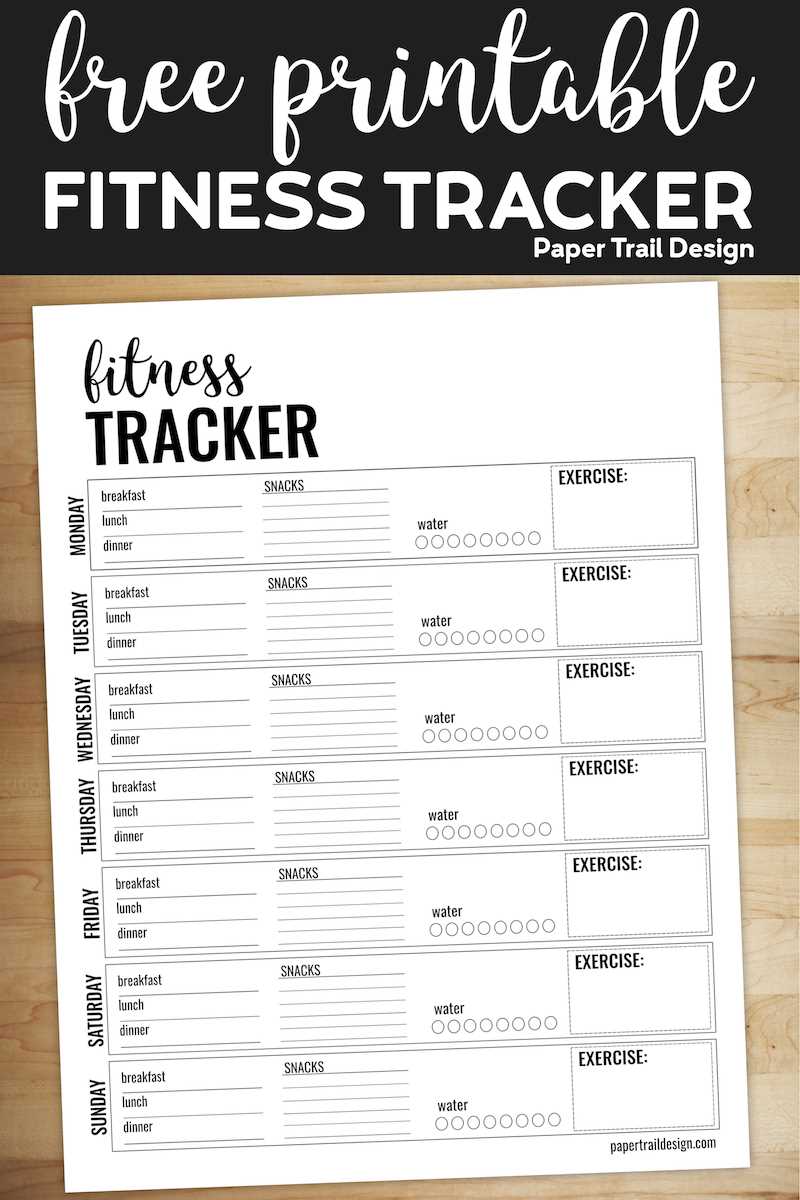
Begin by determining which details you want to monitor. A simple format could include space for the date, exercises performed, and sets or reps. For more advanced tracking, consider adding fields for time, intensity, rest intervals, and even subjective notes on how the session felt.
Choose a layout that suits your style. If you prefer a simple list, organize each day into rows with columns for each type of data. If you want a more detailed sheet, create sections for specific muscle groups or workout types. Use rows for exercises and columns for variables like sets, reps, and weight.
Make it flexible. Include blank spaces for exercises that you may not do every session but want to have on hand. This way, you can customize the tracker based on your specific workout plan each week without feeling restricted to a fixed format.
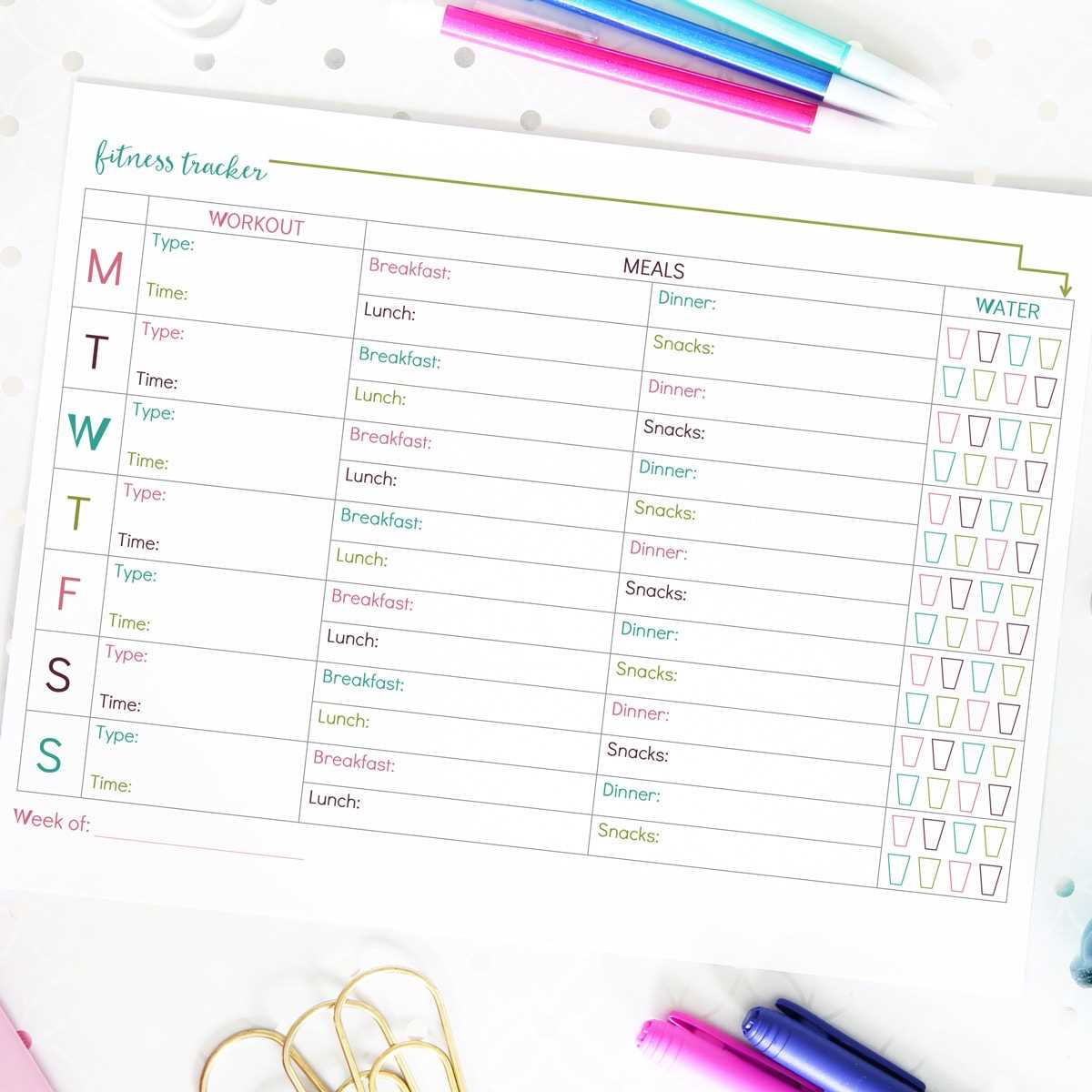
Consider using color coding or symbols to make tracking easier. For example, use a green highlight for personal records or a red mark for exercises that felt particularly challenging. This visual aid can help identify trends at a glance.
Leave room for progress notes. After each session, jot down any relevant information that might help with future workouts. This could include notes on how you felt, what was challenging, or if you achieved a personal best. These insights are valuable when reviewing long-term progress.
Design sections based on your routine. If your exercises target different muscle groups, divide the sheet into sections for upper body, lower body, and core. You can also create dedicated spots for cardio, flexibility, or mobility work, depending on your focus.
Use spreadsheet software like Google Sheets or Microsoft Excel to create and print a tracker. These tools offer the flexibility to adjust layout, add categories, and easily print multiple copies. Once you’ve set up a template, you can reuse it as often as needed with minimal effort.
Lastly, regularly update your tracker. Over time, you may find that some fields are unnecessary, while others should be expanded. Adjusting the format ensures the sheet continues to be relevant to your goals and remains useful as you progress.