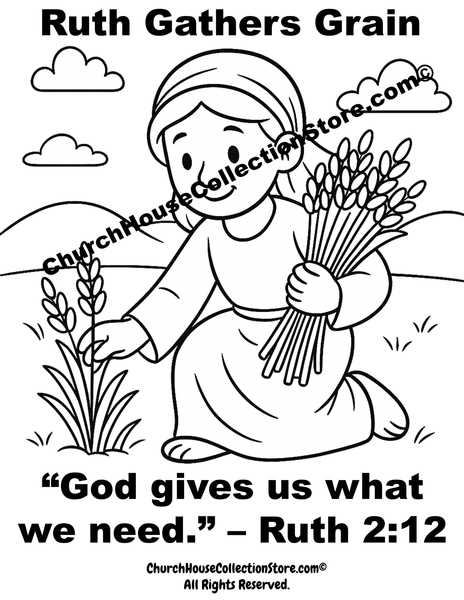
To get the most out of studying the biblical narrative of Ruth, it’s helpful to use structured guides and worksheets. These materials can help clarify the story’s central themes, offer discussion questions, and track your reflections as you explore the text. Look for resources that offer step-by-step breakdowns of key events and character development, making it easier to understand the profound lessons of loyalty, faith, and redemption.
One of the most impactful approaches is to focus on specific sections of the story. For instance, consider creating an outline for Ruth’s journey from Moab to Bethlehem. Then, use that outline to highlight important spiritual lessons that emerge in each chapter. Having access to ready-made templates can save time while providing a rich, meaningful study experience.
Additionally, consider focusing on the cultural and historical context of the text. This can deepen your understanding of why the actions of Ruth and Naomi are so significant. The more you can connect the story to its time and place, the more applicable the insights will feel in your own life.
Whether for a personal reflection or group discussion, these tools can help you fully engage with Ruth’s narrative, uncovering layers of meaning that might otherwise be missed. Make use of resources that support different learning styles, from visual to reflective exercises, to enrich your study and application of this powerful biblical account.
Free Bible Study on Ruth
To understand the book of Ruth more deeply, it’s helpful to approach it with a clear framework. One effective way is to break down the key themes–loyalty, redemption, and God’s providence–into manageable sections. Focus on each chapter individually to identify the lessons it conveys and how they might apply to daily life.
A good starting point is to reflect on the significance of Ruth’s commitment to Naomi. This selfless loyalty can be explored through questions like: What motivated Ruth to stay with her mother-in-law? How does this act of loyalty reflect God’s love for His people? Reflecting on these questions can lead to deeper insights into the nature of divine relationships.
Next, consider the role of Boaz in the narrative. His actions towards Ruth show kindness, generosity, and the importance of fulfilling obligations within the community. You can explore how his interactions with Ruth mirror the way God provides for His people in times of need. These lessons about generosity and kindness can serve as a guide for personal behavior.
Another useful approach is to study the concept of redemption in this text. Boaz’s act of redeeming Ruth through marriage is symbolic of the broader redemptive plan found throughout the Scriptures. This act can be compared to the redemptive work of Jesus Christ, providing a rich opportunity to explore the themes of salvation and grace.
Finally, using structured questions and activities in your study will help deepen your understanding. Look for resources that provide space for personal reflection, prayer, and journaling. These activities not only help you engage with the text but also allow you to apply its lessons in a personal way, fostering growth in faith and understanding.
How to Use Printable Bible Study Guides for Ruth
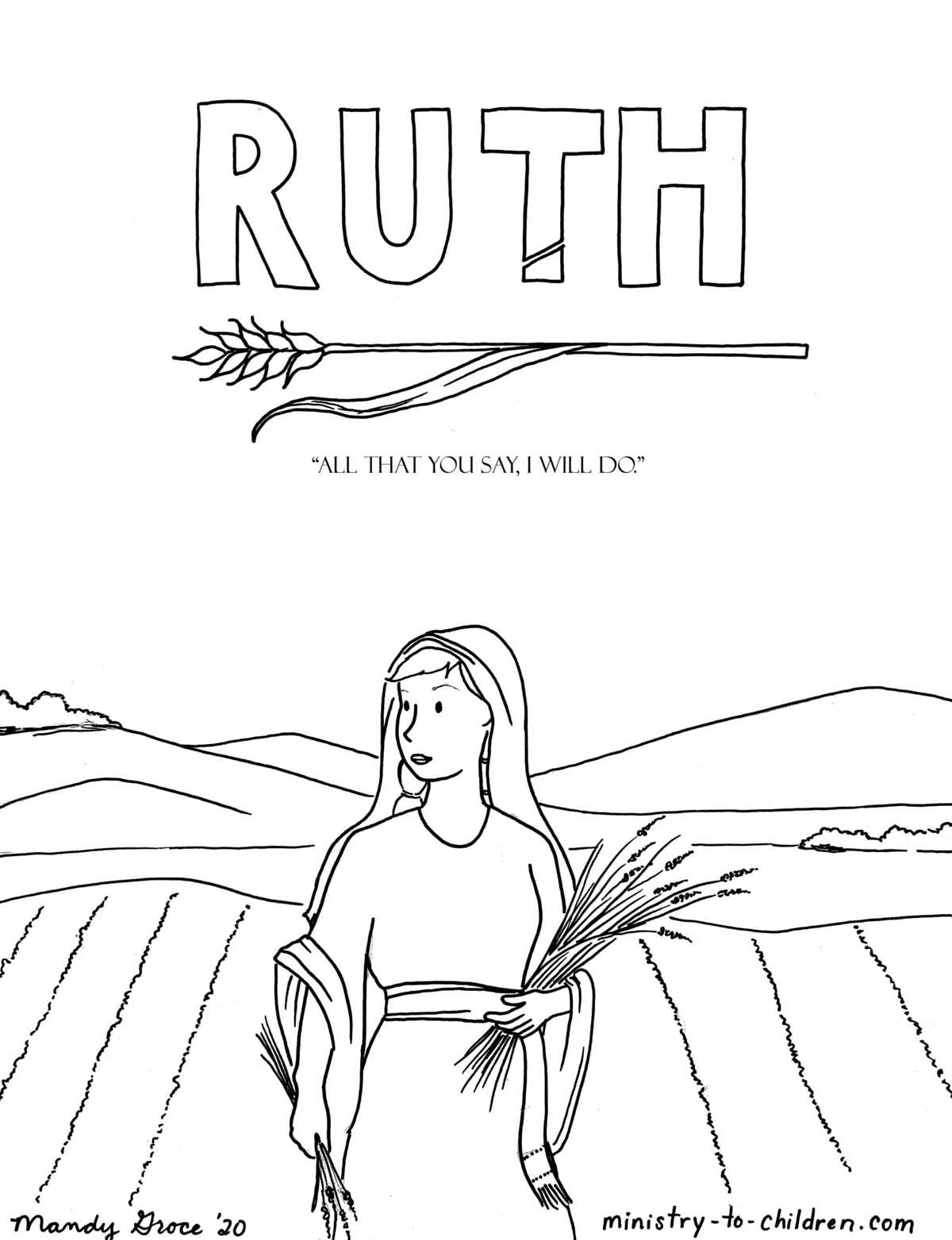
To effectively use a guide for studying the book of Ruth, start by breaking down the material into manageable sections. A good guide will usually divide the book into its main events, allowing you to focus on one chapter or theme at a time. This approach will make it easier to reflect on each part and understand its relevance in a deeper way.
Begin with the key themes in the text. Look for a study guide that highlights loyalty, redemption, and divine providence, as these are central to the narrative. Use the questions provided in the guide to reflect on how these themes are developed in the story and how they can apply to your own life.

Next, pay attention to the character studies. Many guides will provide questions or prompts that encourage you to explore the motivations and actions of characters like Naomi, Ruth, and Boaz. This will help you understand their roles in the narrative and how they reflect aspects of faith and obedience.
For a more interactive study, try using the journaling sections typically included in these resources. Writing down your thoughts, questions, and personal insights will deepen your engagement with the material. Consider writing out prayers of thanksgiving or petitions based on what you’ve learned about God’s faithfulness through the story.
Additionally, take time to engage with the historical and cultural context. A study guide will often provide background information about the time period, customs, and practices in ancient Israel. Understanding this context can enrich your study and provide a clearer picture of the characters’ actions and decisions.
Finally, don’t skip over the conclusion or reflection section. These parts of a study guide are designed to help you draw together the insights you’ve gained and apply them to your daily life. Take a moment to reflect on what lessons you can take away from the story, whether it’s about faith, loyalty, or trusting God in difficult times.