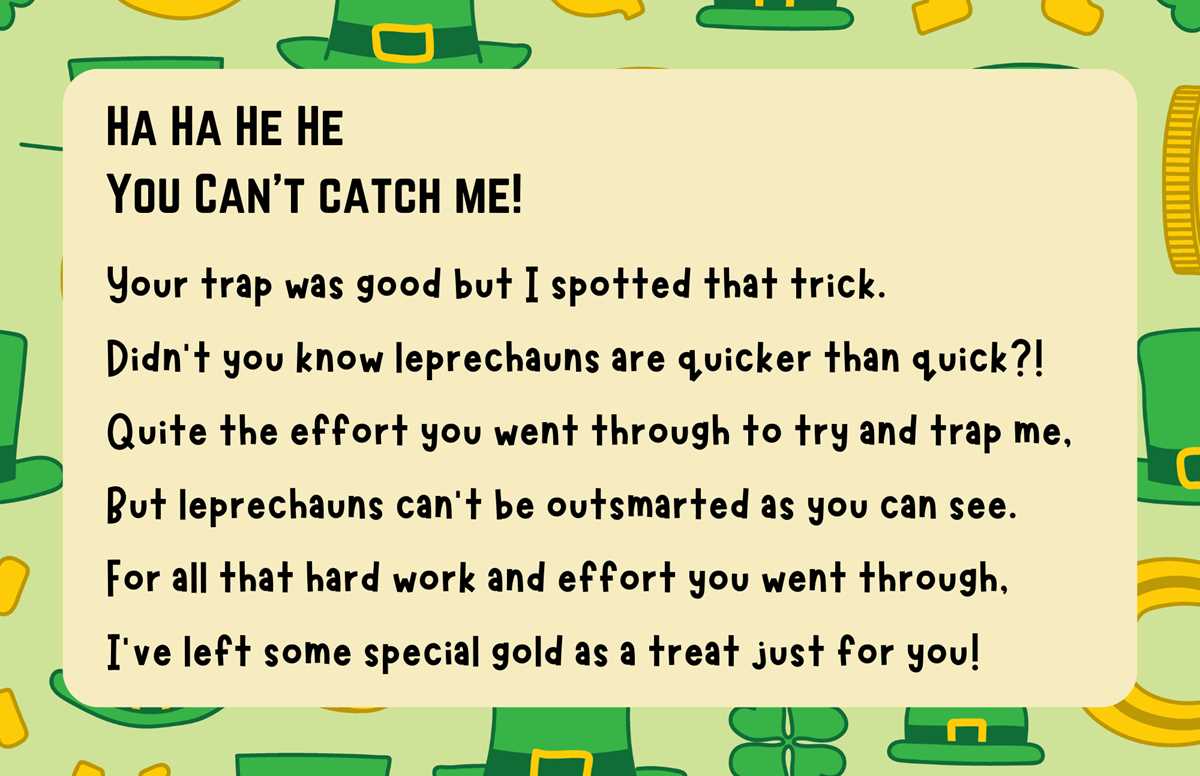
Start by selecting a design tool like Canva or Adobe Illustrator to create your own customized messages for the holiday. Choose a layout that suits your theme and allows you to easily add text, colors, and decorative elements. These platforms offer user-friendly templates that you can quickly adjust to fit your event needs.
Once you’ve chosen a design, consider the size and material for printing. If you plan to distribute these at parties or gatherings, a sturdy cardstock or even a glossy finish will give the pieces a more festive feel. A high-quality printer will help ensure the colors stay vivid and sharp, especially if you’re using multiple hues.
If you’re printing at home, make sure your printer is set up for the paper type you’ve chosen. Many printers have specific settings for different materials, so check that you’re using the correct one. For a more polished result, you can also opt to have them professionally printed, which can provide higher resolution and more durable materials.
Creating Custom Messages for St. Patrick’s Day Celebrations
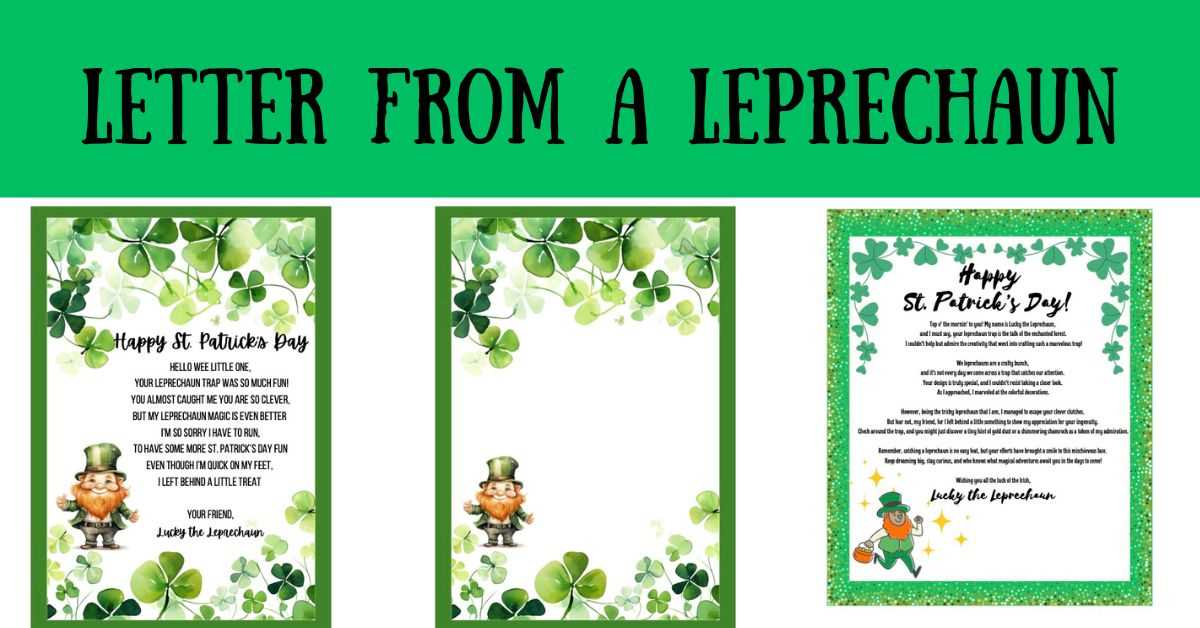
To create your own personalized messages, start by selecting an easy-to-use design platform such as Canva or Adobe Spark. These tools offer free templates, which you can adjust by changing the colors, fonts, and graphics to reflect the festive mood of the holiday.
Next, decide on the size of the cards or pieces you’re designing. A typical size is 4×6 inches, but you can adjust this depending on how you plan to use them. If you’re distributing them as part of a party favor, consider printing them on sturdy cardstock for durability.
If you want to add some personality to your message, include playful elements like shamrocks, pots of gold, or rainbows. These symbols are widely associated with St. Patrick’s Day and will add a fun touch to your creation. You can easily find free graphic elements online or use the ones provided by design tools.
Ensure your text stands out by selecting a clear, legible font. Avoid overly decorative fonts that may be hard to read, especially if the message is short. Keep the font size large enough for easy reading but not so large that it overwhelms the design. A good balance of visuals and text will create a more appealing result.
If you’re printing at home, check your printer settings to ensure optimal quality. Some printers have specific settings for photo or heavy paper types, which can enhance the final print. Make sure your paper is compatible with your printer to avoid paper jams or blurred prints.
If you’re printing a large number of pieces, consider using a professional printing service. This will not only give you a more polished result, but also save time. Many services offer fast turnaround and different types of finishes, such as matte or glossy, to suit your needs.
Once printed, cut the designs carefully. If you’re producing several at once, a paper cutter will speed up the process and ensure straight edges. After cutting, you can add embellishments like ribbon, glitter, or small accessories to further personalize the designs and make them more festive.
How to Customize Your Message for St. Patrick’s Day
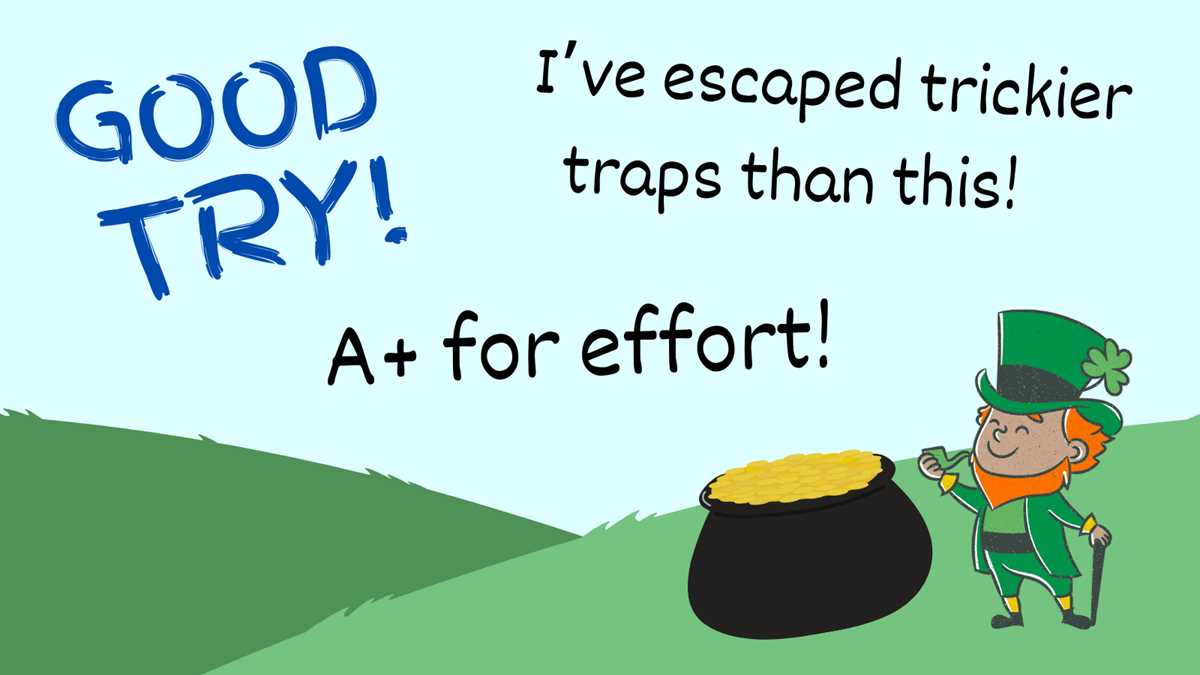
Start by selecting a design tool such as Adobe Illustrator or Canva, which offer free templates that you can easily modify. These platforms provide flexibility with colors, text, and images, allowing you to create a unique look for your holiday greeting.
When setting up the design, make sure to adjust the dimensions based on how you plan to use it. For party favors or small notes, a size of 4×6 inches works well. If you’re planning to frame it or make it larger for display, you may want to go with an 8×10 inch format instead.
Choose colors that represent St. Patrick’s Day, like green, gold, and white. Using contrasting colors will help make the text stand out. Be sure to balance bold hues with softer shades to avoid a cluttered look. Stick to a simple palette to maintain visual clarity.
Next, add relevant holiday graphics to the design. Consider using shamrocks, rainbows, and pots of gold, as these are symbols strongly tied to the celebration. These can be found in most online design libraries or created using drawing tools available in the software.
Text placement is a key part of customization. Use clear, legible fonts, especially if the message is short. Avoid overly intricate fonts that could be hard to read. Position the text in a way that complements the design without crowding the graphics. Make sure to leave enough space around the edges for a neat finish.
After adjusting the text and images, it’s time to experiment with different textures and effects. Adding a subtle border around the design can make it appear more polished. You can also experiment with text effects like shadows or glows to make certain parts of the message pop.
Once you’re happy with the layout, double-check the file format. PDF files are ideal for printing and maintaining the quality of your design, but if you’re sharing it digitally, PNG or JPEG files may work better. Make sure your design is high-resolution for the best printing results.
Finally, review your design before printing. Make any necessary tweaks, such as adjusting text size or moving elements slightly for balance. Once you’re satisfied, print a test version to ensure the colors and text appear as expected on your chosen paper type.