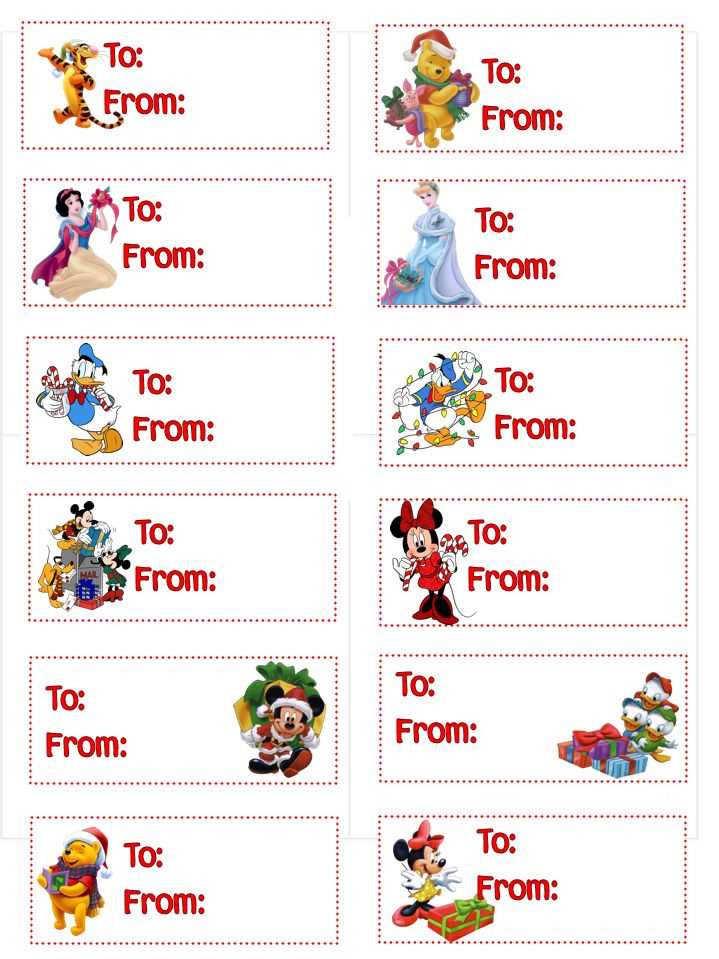
Start by using textured or colored paper for a more personalized touch. Choose high-quality cardstock to make your tags stand out and add durability. Cut them into unique shapes, like stars, hearts, or simple rectangles, depending on the theme of your gift. For a special finish, consider using a hole punch to add a decorative string or ribbon.
Next, select an appropriate font style for your message. Simple, elegant fonts work well for formal occasions, while playful or handwritten fonts can add a more casual feel. Tools like Canva or Microsoft Word allow you to easily customize text, so experiment with different styles until you find the one that matches your gift’s vibe.
For a more polished look, try adding a graphic or illustration that complements the occasion. For example, a Christmas tree icon for holiday gifts or a birthday cake for celebratory occasions. These small design elements give your wrapping an extra layer of thoughtfulness and creativity.
Personalized Tags for Every Occasion
Start by selecting a template that suits the event. For birthdays, choose bright colors and fun fonts. For holidays, go for seasonal elements like snowflakes or holly. The key is ensuring the design matches the mood of the gift-giving event.
Consider using a mix of different font styles to add personality to each tag. Pair cursive handwriting for the recipient’s name with a bold serif font for the message. This contrast makes the tag visually interesting and can be customized based on your preferences.
Using a high-quality printer is essential for a crisp and clear result. Inkjet printers work well for vibrant colors and fine details. If you don’t have access to a printer, many print shops offer affordable services for personal projects like this.
Experiment with different shapes. Instead of the standard square or rectangle, try circles, ovals, or geometric figures. These variations add uniqueness to your gift wrapping and show extra thoughtfulness in the presentation.
To make your designs stand out, consider adding a decorative border. Whether it’s a simple dashed line or a more intricate floral pattern, borders help frame the text and make the tags feel more polished.
For a more rustic look, print your designs on kraft paper or textured cardstock. This adds depth and character to the finished product, making the recipient feel as though they’ve received something truly special.
Adding a personal message or a small quote can make a simple tag more meaningful. A short greeting like “Enjoy your day!” or a festive wish like “Merry Christmas!” enhances the warmth and thoughtfulness behind the gift.
Finally, consider finishing your tags with a bit of flair. Use a metallic pen to write the recipient’s name or to outline the design. A subtle shine will make your creation stand out and add a personal touch to each gift.
How to Design Personalized Printable Labels for Gifts
Choose a template that fits the occasion. For birthdays, use bold colors and playful fonts, while for holidays like Christmas or New Year, choose festive graphics such as snowflakes or trees. Adjusting your design to the theme of the gift will make it feel more thoughtful and tailored.
When it comes to font selection, pick styles that align with the gift’s vibe. For formal gifts, consider using serif fonts for a more elegant look. For casual or creative gifts, try whimsical or handwritten-style fonts to add a personal touch. Limit your fonts to two or three for a cleaner appearance.
Don’t forget to add small design elements that reflect the personality of the recipient. If they love nature, include floral patterns or leaves. For someone who enjoys minimalism, keep the design simple with just text and a few subtle lines or borders. The little details make all the difference.
Experiment with layout and spacing. Use ample white space around the text to ensure it remains clear and easy to read. A crowded design can make the tag appear cluttered, so allow the graphics and text to breathe. Make sure there’s enough room for a name and any short message you want to include.
Finally, print your designs on high-quality paper. Choose cardstock with a slight texture for a more premium feel. If you prefer a glossy finish, use photo paper for vibrant colors and sharp detail. Once printed, cut the shapes carefully to maintain a clean edge for a polished finish.