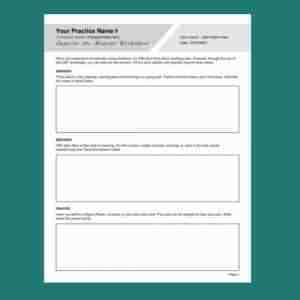
Use structured Dialectical Behavior Therapy skill handouts during each session and assign one focused practice page per week. Select modules such as mindfulness, distress tolerance, emotion regulation, or interpersonal effectiveness and provide clear written prompts for reflection. Limit homework to one or two exercises to prevent overload and increase follow-through.
Incorporate daily diary cards to track emotions, urges, and coping responses. Ask clients to rate intensity on a 0–5 scale and record which skills were used in real situations. Review entries at the beginning of each meeting to identify patterns and target high-risk moments with specific coping strategies.
Provide crisis survival planning sheets that outline grounding techniques, self-soothing activities, and emergency contacts. Keep copies accessible in both session folders and personal binders so clients can reference them during stressful events. Structured written exercises combined with consistent review support measurable progress in skill application.
Dbt Printable Worksheets
Use structured Dialectical Behavior Therapy skill pages during weekly sessions and assign one focused handout per module. Choose materials for mindfulness, distress tolerance, emotion regulation, or interpersonal skills based on the client’s current treatment goals. Provide clear written instructions and review completed pages at the start of the next appointment to reinforce accountability.
- Mindfulness logs for tracking present-moment awareness practice.
- Distress tolerance crisis plans with step-by-step coping actions.
- Emotion tracking charts using 0–5 intensity scales.
- Interpersonal scripts for assertive communication practice.
- Behavior chain analysis forms to examine triggers and consequences.
Store therapy handouts in a dedicated binder divided by skill category and update it after each session. Encourage clients to complete diary cards daily and bring them for discussion. Revisit high-intensity entries and connect them to specific coping tools to strengthen skill application across real-life situations.
How to Use DBT Mindfulness Worksheets in Individual Therapy Sessions
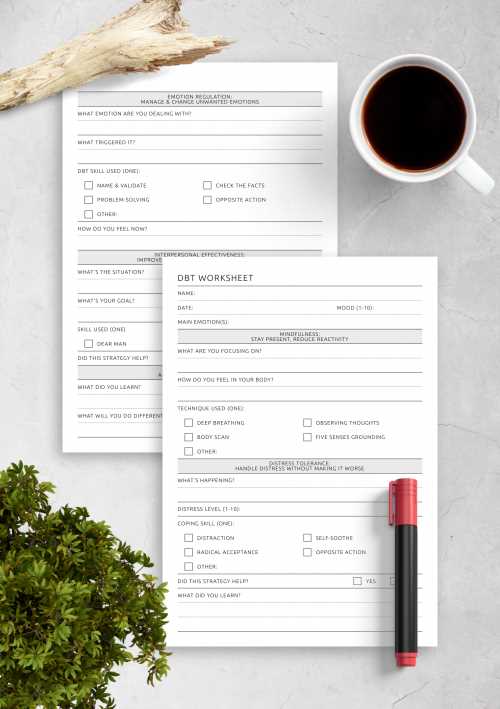
Begin each session with a 3–5 minute guided breathing exercise, then provide a structured mindfulness practice sheet that prompts clients to record observations, thoughts, emotions, and body sensations. Ask them to describe experiences using concrete language rather than interpretations. Review entries together and highlight moments where attention shifted away from the present, identifying triggers and automatic reactions.
Assign one focused awareness task between sessions, such as observing five sensory details during a daily routine and documenting them on a tracking form. Use rating scales from 0 to 5 to measure intensity of distraction and emotional response. During follow-up, compare ratings, discuss barriers, and connect observations to nonjudgmental awareness skills to strengthen consistent application outside therapy.