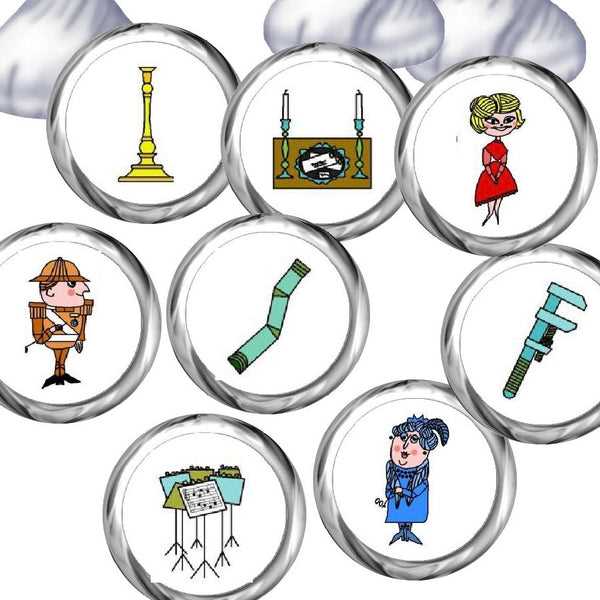
To enhance your next mystery party or social gathering, start by incorporating intriguing detective-style clues that keep everyone engaged. The key to a memorable experience is ensuring the details and structure are clear. Designing personalized clues will not only add excitement but also give your guests something to remember. Whether you’re planning a casual get-together or an intricate mystery, having organized clues can make all the difference in creating an immersive experience.
Creating your own set allows you to tailor the game to the interests of your group. Begin with a few simple questions or mysterious statements to spark conversation. With a structured approach, each clue or piece of evidence can be linked to a different part of your event. This lets players follow a storyline or unravel a puzzle as they solve each part of the mystery.
If you’re short on time, there are various resources where you can download ready-made clues that only need minimal customization. These sources often offer themed designs, ensuring your gathering fits a specific style or mood. Choosing from pre-designed templates can save you effort, letting you focus on the flow and interaction instead of designing from scratch.
Printable Clue Game Cards
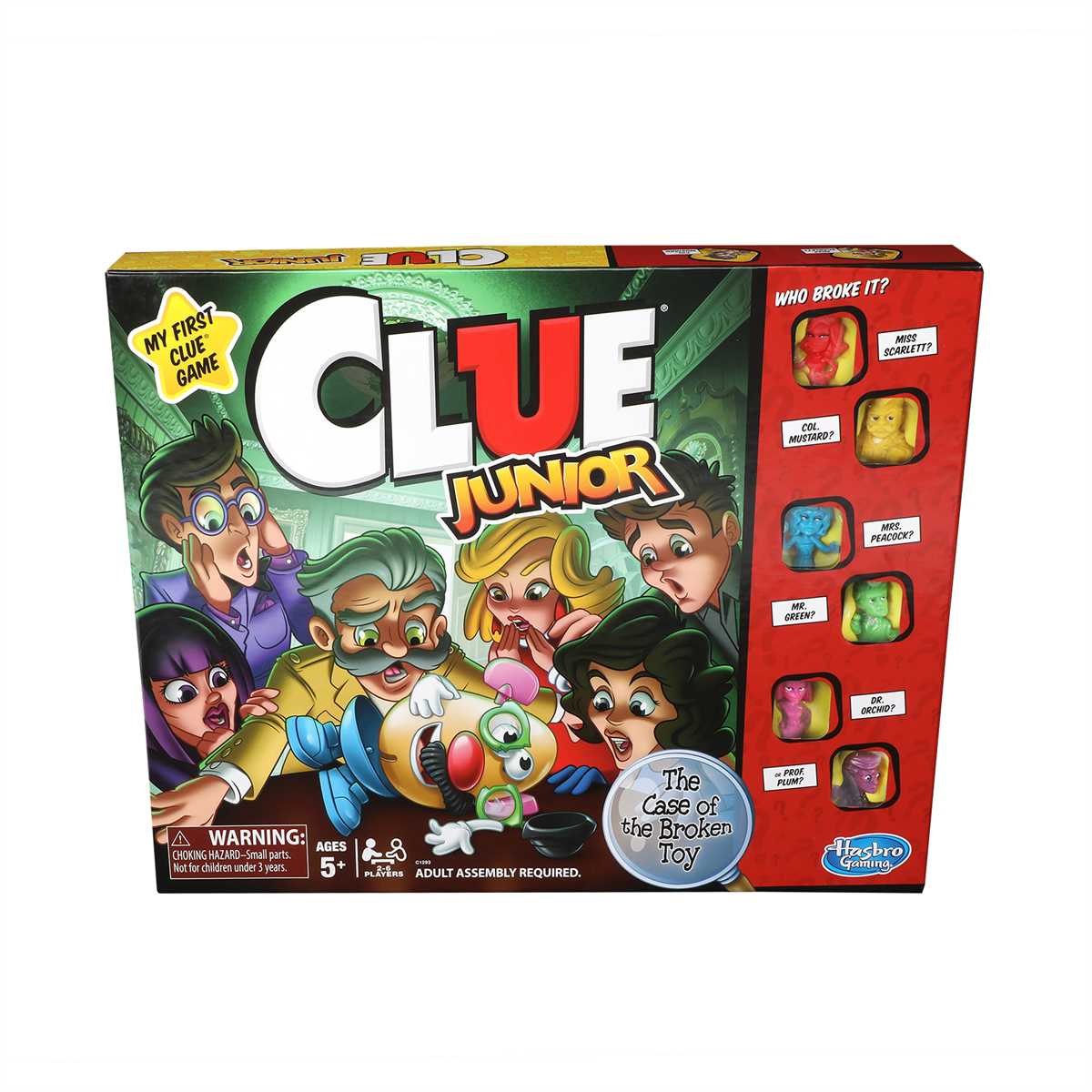
Start by selecting the theme for your mystery event. Whether it’s a dinner party, birthday, or team-building activity, choosing a theme will guide the style of the clues. Think about the atmosphere you want to create–will it be a spooky, crime-solving adventure, or a lighthearted treasure hunt? This decision will influence the tone and design of each hint or message.
Once you have a theme, structure your clues logically. A good way to begin is by creating a list of the key pieces of information that need to be discovered. Arrange them in an order that gradually leads participants toward the final revelation. Each card or sheet should provide just enough information to keep the participants engaged without giving away too much.
If you’re new to designing these, start simple. Write down a few sentences that fit your theme. Consider including riddles or puzzles that require guests to think critically, or even visual clues like photos or drawings. The goal is to keep them intrigued, not frustrated, so balance complexity with accessibility.
Make sure the clues are clear and easy to follow. Avoid overly complicated instructions that could confuse participants. Use readable fonts and incorporate themed colors to enhance the atmosphere. For example, if you’re hosting a detective-themed event, opt for a classic serif font to give the cards an old-fashioned, investigative feel.
Once the text is ready, design the layout of the cards. You can either use simple word processing software or specialized design tools like Canva or Adobe InDesign. If you’re short on time, download templates from online resources to save effort. These templates are often customizable, allowing you to add personal touches without starting from scratch.
Next, print the cards on sturdy paper to ensure they hold up during the event. For a more immersive experience, consider using aged paper or tea-dyeing the edges to make them look worn, which will add an extra layer of mystery. You could even laminate them for durability if your event will last several hours or is intended for future use.
If you’re hosting a group, print enough copies so everyone can participate in solving the mystery. Depending on the complexity of the game, you may want to create multiple versions of certain clues, allowing groups to compare notes and piece together the answers from different perspectives. This can encourage collaboration and keep the game moving smoothly.
Finally, don’t forget to test your setup before the event. Run through the entire experience with a friend or family member to ensure that the clues work in the right sequence and that none are too difficult or confusing. A test run will help you fine-tune the experience and make adjustments as needed.
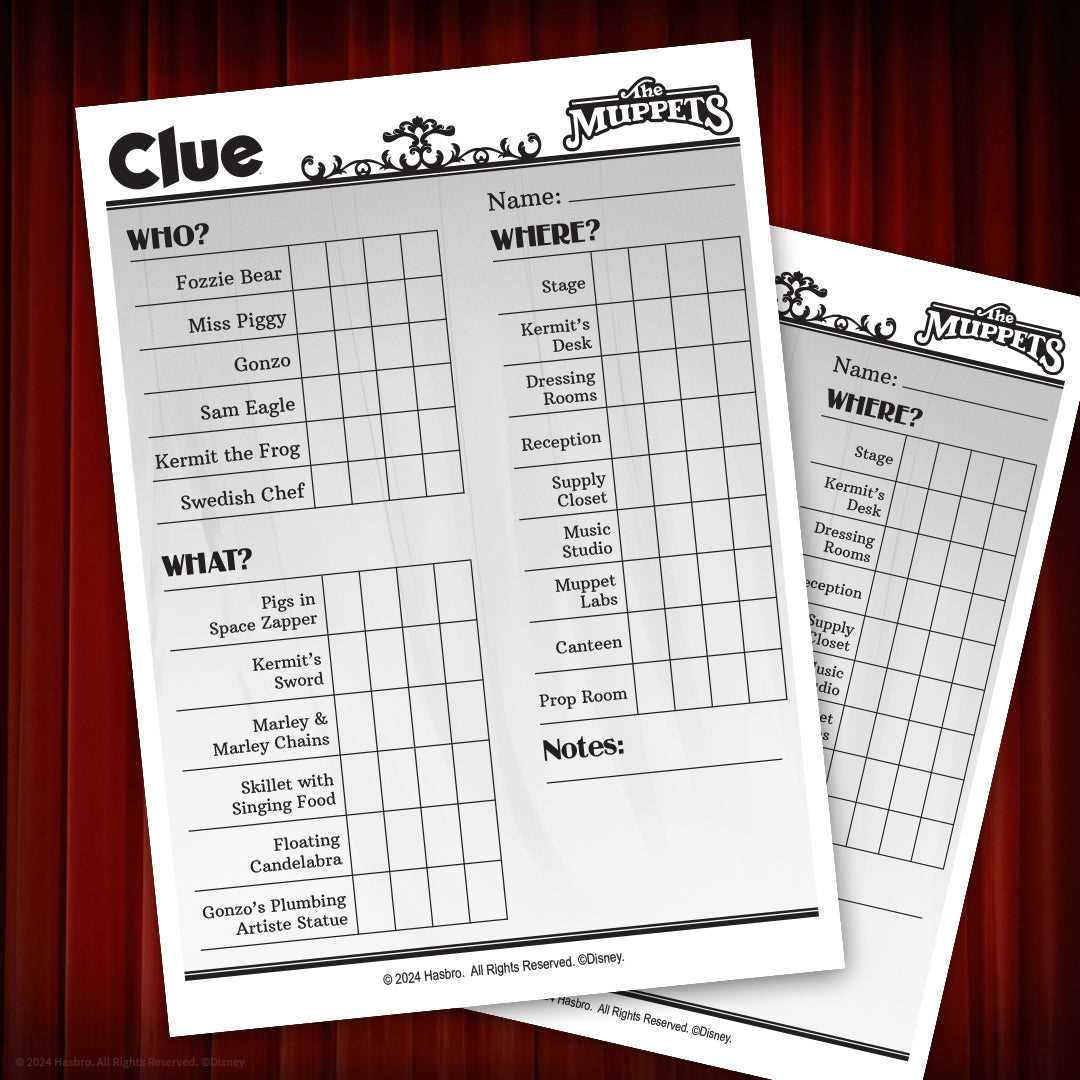
How to Design Custom Clue Game Cards for Your Party
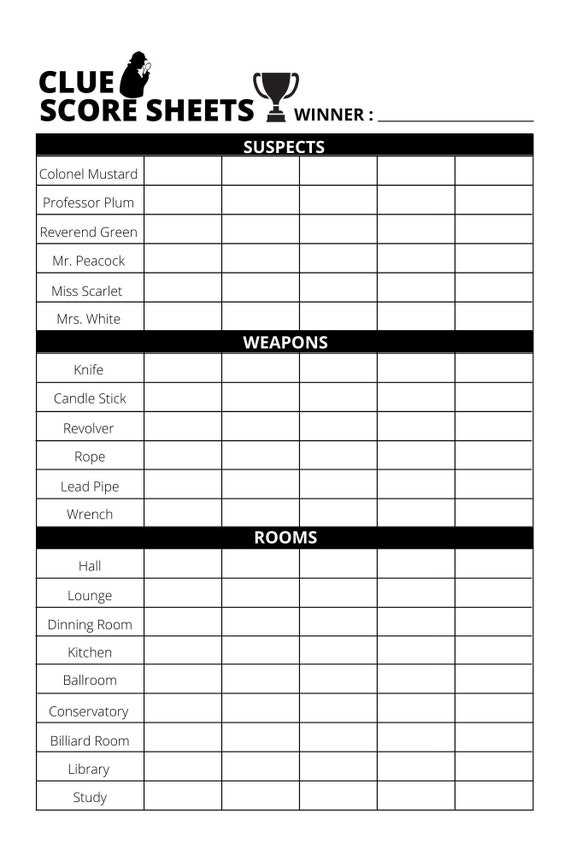
Begin by identifying the overall theme of your event. The style and tone of your clues should align with the atmosphere you’re trying to create. For a sophisticated dinner party, you may want a classic, elegant design with minimalistic clues, whereas a children’s party can feature playful and colorful elements with hints that are easy to follow.
Next, create a structure for your hints. Think about how participants will progress through the game. Will they need to solve a puzzle to unlock the next hint, or will they simply follow a trail of sequential clues? This structure will determine how many pieces of information are needed on each clue. Keep in mind that the clues should lead participants toward a clear objective or prize.
Choose fonts and colors carefully. The text on each clue should be easily readable, so avoid overly decorative fonts. For a more dramatic effect, you can use darker background colors with light text, or vice versa, depending on the ambiance. To match the theme, consider using colors that reflect your party’s theme, like spooky hues for a Halloween party or pastel shades for a spring gathering.
Incorporate graphics to enhance the visual appeal. Small images, icons, or borders can make the clues feel more immersive. For example, a vintage detective mystery might feature old-fashioned magnifying glasses, while a pirate-themed event might include treasure maps or skull and crossbones symbols. These details can provide visual cues while also adding to the fun.
When laying out the clues, balance text with space to avoid overcrowding. It’s important not to overwhelm the player with too much information at once. Use a simple design that directs attention to key parts of the clue. A clean, organized layout ensures that the players can focus on solving the puzzle rather than deciphering the format.
Once your clues are designed, print them on quality paper to ensure they last throughout the event. Consider using textured paper or parchment-style sheets for an antique look. If your clues will be handled frequently, laminate them for durability. For added flair, you can even burn the edges of the paper slightly to create a weathered appearance, enhancing the mystery of the hunt.