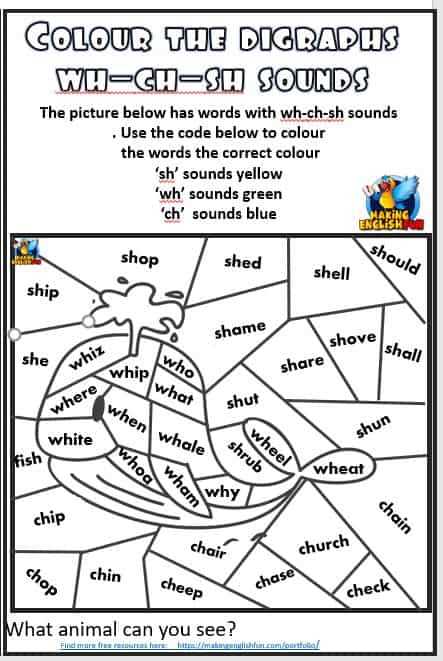
To help children master the concept of sound combinations, it’s important to focus on engaging exercises that reinforce how letters come together to create new sounds. These activities will improve their reading and pronunciation skills over time.
Start by incorporating activities that focus on pairs of letters which blend into a single sound. These practice sheets are a practical tool to reinforce recognition and proper usage of these letter combinations in various contexts.
Incorporating visual aids such as pictures, word lists, and interactive tasks can support the process. When learners can connect letters to real-world objects, they can more easily retain the sounds and understand their significance in words.
It’s beneficial to gradually increase the difficulty level of the exercises. Initially, introduce simple pairings and then challenge students with more complex blends. This progression keeps learners engaged and encourages continuous improvement in their phonetic understanding.
Sound Pair Practice for Early Learners
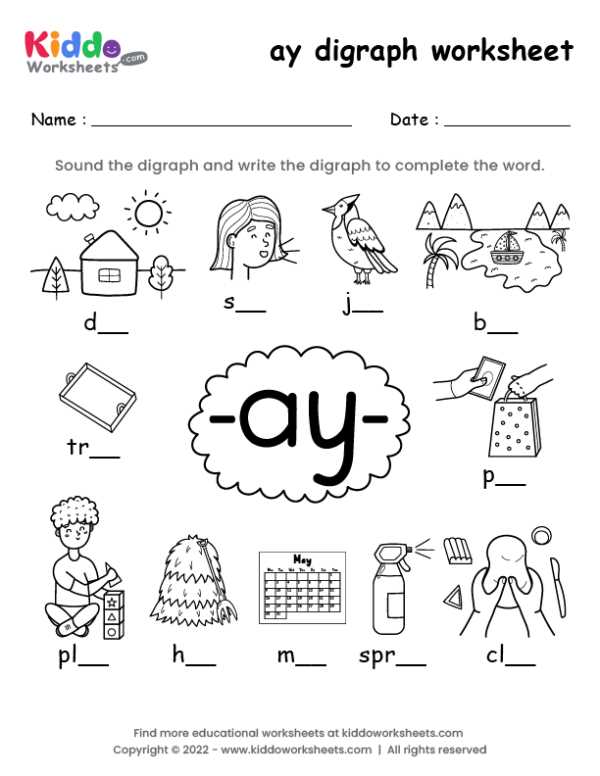
Start with a variety of tasks that focus on recognizing common letter combinations, such as “sh”, “ch”, and “th”. Children can practice by identifying these pairs in words and matching them with images that represent the sound. This approach strengthens their understanding of how sounds blend together in spoken language.
Engage students with interactive challenges like filling in missing letters or sorting word lists based on sound pairings. These activities encourage active participation, and the repetition helps reinforce their learning. Using themed words related to the child’s interests can also make the tasks more engaging and memorable.
As they progress, introduce more complex blends and provide exercises where they can form words from a set of sound combinations. This helps improve both reading and spelling skills. Tracking their progress with simple assessments also motivates learners to keep practicing and improving their phonetic abilities.
Using Sound Pair Exercises to Build Blending Skills
To teach sound combinations, start with exercises that introduce children to common pairs like “sh”, “ch”, and “th”. Ask students to identify these sound pairs in simple words. Begin with visual aids, such as pictures that correspond to the sounds, which will help children link the written letters with their pronunciation.
Next, provide activities where learners can match pictures to words that include the target sound blends. For example, use images of “ship” and “chalk” and have the students pair them with the corresponding sounds. This will help them recognize the connection between sounds and their written form.
Incorporate sorting tasks where children can group words based on their sound combinations. For instance, create lists that include words with “sh”, “ch”, and “th” and have the students organize them accordingly. Sorting not only reinforces sound recognition but also helps with word categorization, which strengthens reading and comprehension skills.
As students advance, challenge them by asking them to form their own words using specific sound blends. You can give them a set of sounds and ask them to come up with words that match, further enhancing their ability to blend sounds together. This can also be done by having them fill in missing letters in words.
Once learners are comfortable with basic blends, introduce more complex combinations. This helps expand their phonetic awareness and improves their ability to decode unfamiliar words. For example, you can work on blends like “fl”, “sl”, or “tr”, which are frequently used in more advanced vocabulary.
Finally, encourage independent practice with assessment tools that allow you to track progress. Have students complete exercises on their own and provide feedback on their accuracy. This will give them the confidence to apply their new skills in reading and writing independently.