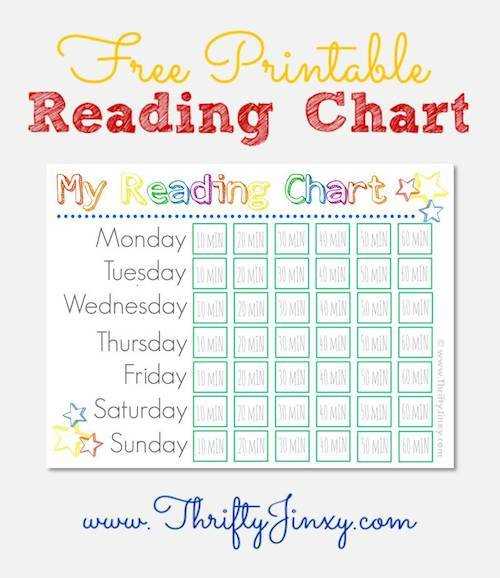
Using a structured system for tracking positive actions is an excellent method to encourage children to stay on task and improve their skills. These systems can help parents and teachers reinforce good habits while also guiding children to understand expectations. You can start by creating a simple grid with spaces for the child to mark off their progress daily.
For younger children, a visual approach works best. Incorporate symbols or stickers that represent progress, such as stars or smiley faces. This method not only makes it fun but also reinforces the habit-building process. For older children, consider using numerical points or rewards for each completed goal, making the process feel more like a game that they can actively participate in.
Consistency is key. Make sure the child knows what behaviors or actions will be rewarded, and maintain the same structure to keep them motivated. As they start to understand the concept, you can adjust the complexity to match their growing skills. Providing immediate rewards for small wins, followed by more significant incentives as they progress, helps keep them engaged in their growth.
Behavior Tracking Customization for Maximum Impact
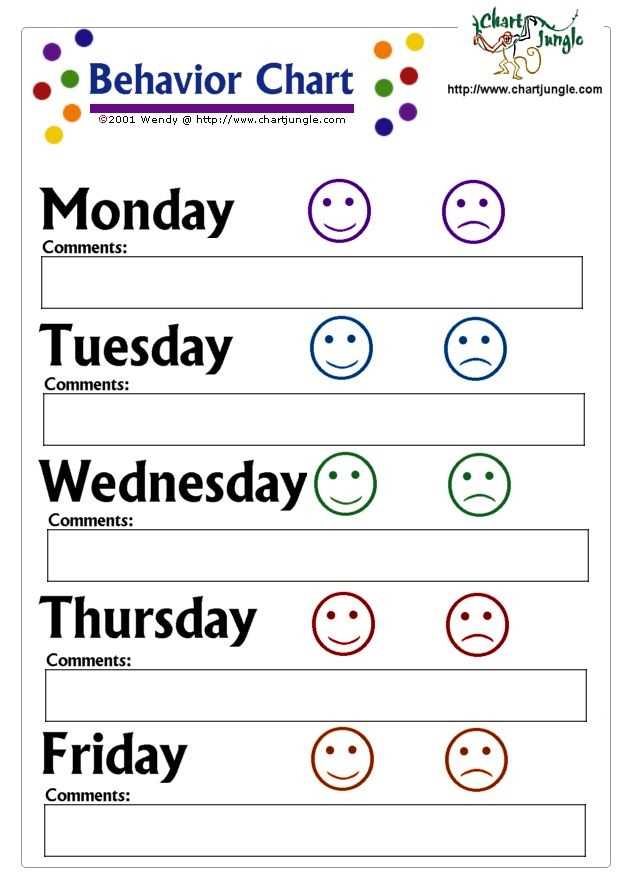
To create a highly effective tracking system, it’s important to tailor the approach to fit the individual needs of the child or group. Customize the tracking system by including specific goals that align with desired outcomes. For example, focus on actions like completing homework, practicing kindness, or following instructions. By being specific, you can ensure the system tracks the most relevant behaviors.
Incorporating visuals can make the process more engaging. For younger children, use images or stickers to represent positive actions, making it easier for them to understand progress. Older children may prefer to track their achievements with checkmarks or stars, giving them a sense of accomplishment. Color-coded systems also help to differentiate between different types of behavior or categories.
Make sure the tracking process is consistent. It’s helpful to establish clear rules and expectations from the start. Whether it’s a weekly goal or daily targets, maintain regular updates to show progress. Reassess these goals periodically to keep them challenging but achievable, and avoid stagnation. This will also prevent the child from losing interest due to repetitive tasks.
Incentivizing progress is another key factor. Offer rewards that align with the child’s interests. For instance, if a child enjoys a particular activity or item, use it as a reward for consistent progress. This creates a more personalized motivation system, increasing the likelihood of success and engagement.
Ensure the tracking system is easy to understand and manage. Avoid overly complicated formats that could discourage participation. Simple, straightforward designs are often more effective in helping both parents and children stay on track. Include just enough detail to make it meaningful, without overwhelming the child with too many categories or steps.
Finally, involve the child in the customization process. Ask them for input on which behaviors they want to work on, and what rewards would motivate them. This not only gives them a sense of ownership over their progress but also fosters a positive relationship with the tracking system. When children feel empowered and involved, they’re more likely to take the process seriously.
How to Design a Reward System Using Tracking Tools
Start by defining specific actions or achievements that will be tracked. Break down the desired outcomes into clear, measurable steps that are easy for the individual to follow. For example, if promoting positive social behavior, consider actions like saying “please” and “thank you” or sharing with others. Establishing concrete goals ensures the system remains focused and easy to understand.
Next, decide on a reward structure. Use immediate, short-term rewards for smaller tasks and long-term incentives for sustained progress. This way, the individual can see the benefits of consistent effort. Choose rewards that resonate with the individual’s interests, whether it’s extra screen time, a special outing, or a favorite treat. The more personalized the reward, the more motivating it will be.
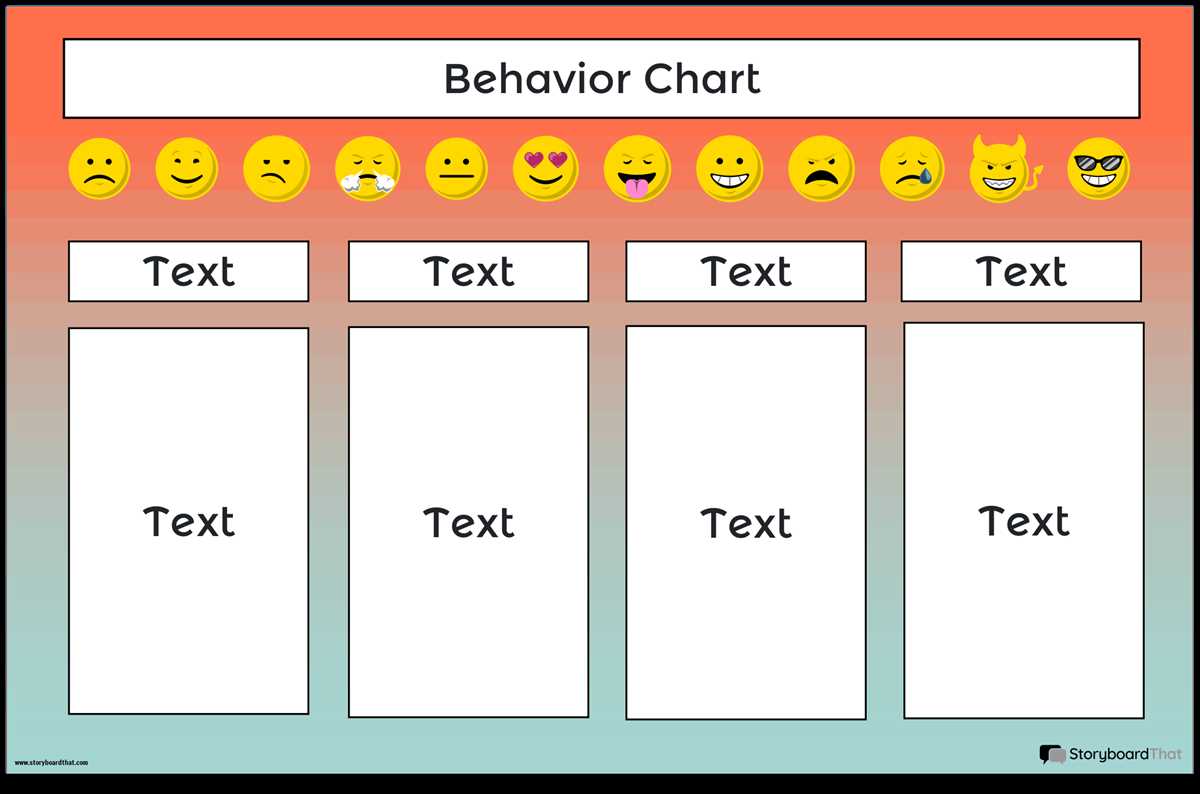
Incorporate a tracking method that visually represents progress. A simple grid or points system can be very effective. For example, every time a specific action is completed, the individual earns a point or a sticker. Once a certain number of points is accumulated, a reward can be earned. This visual representation not only makes progress easier to track but also provides immediate positive reinforcement.
Make the process enjoyable by adding an element of fun. Consider using colorful designs, fun images, or even incorporating themes that change periodically. For example, during the summer, you might use a beach-themed tracking system, while in the fall, use pumpkins and leaves. This keeps the system fresh and exciting, which can help maintain interest over time.
Ensure the system is flexible. Adjust the goals or rewards as necessary to reflect the individual’s progress. If the person is consistently meeting the objectives, increase the challenge slightly. Conversely, if goals are too difficult to achieve, scale them back to maintain motivation. Flexibility prevents frustration and helps to keep the system effective in the long run.
Finally, make sure to provide consistent feedback. After each completed task or goal, offer praise and acknowledge the progress made. This reinforces the positive behavior and helps the individual feel supported in their efforts. Regular feedback creates a positive cycle of motivation, making the reward system even more effective over time.