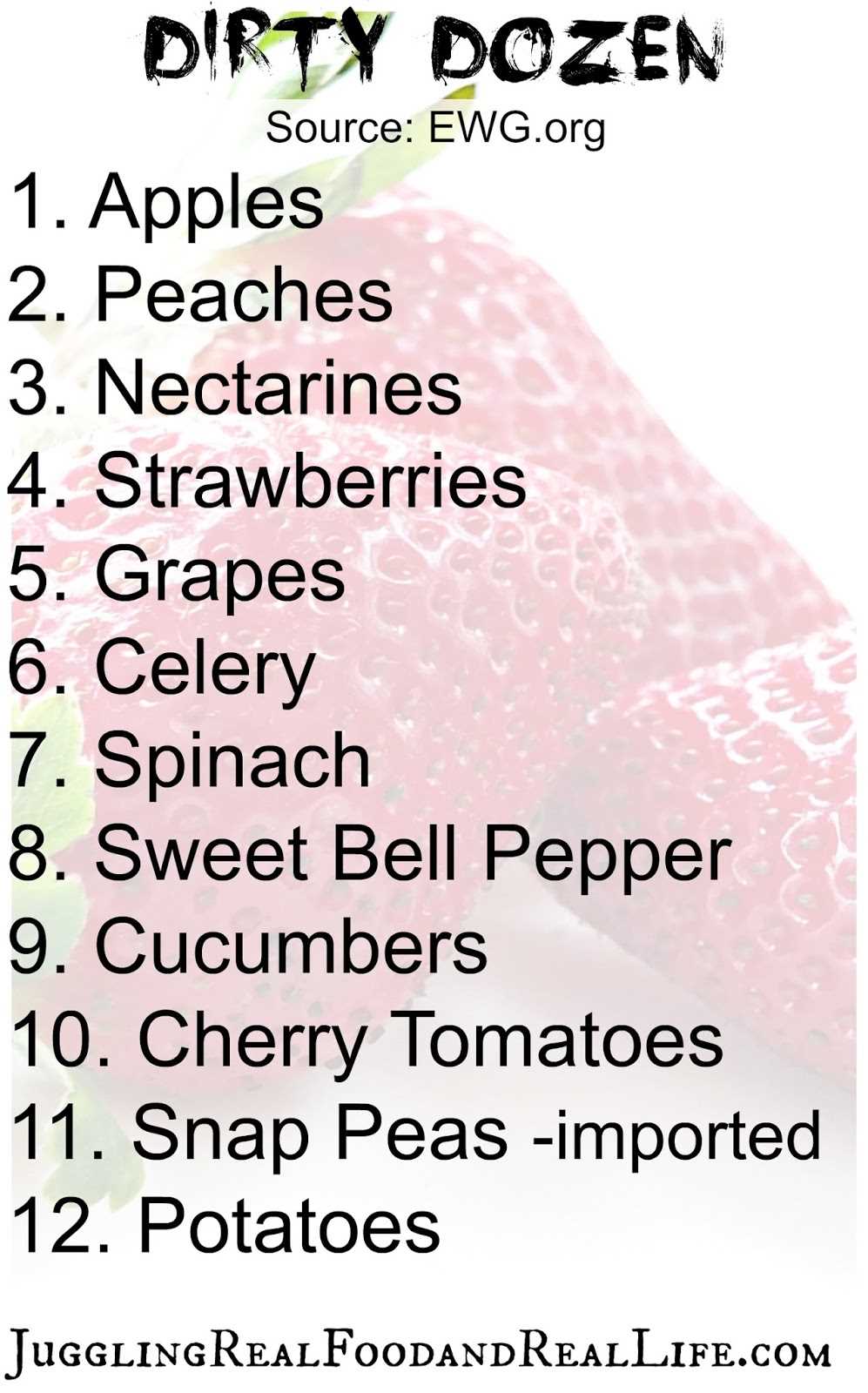
If you’re aiming to reduce pesticide exposure, knowing which fruits and vegetables carry higher chemical residues can help you make informed choices. Some items consistently rank higher in contamination levels, while others tend to have less pesticide buildup. Opting for produce with minimal pesticide traces can benefit your health and your wallet, as these items are often less expensive when purchased conventionally.
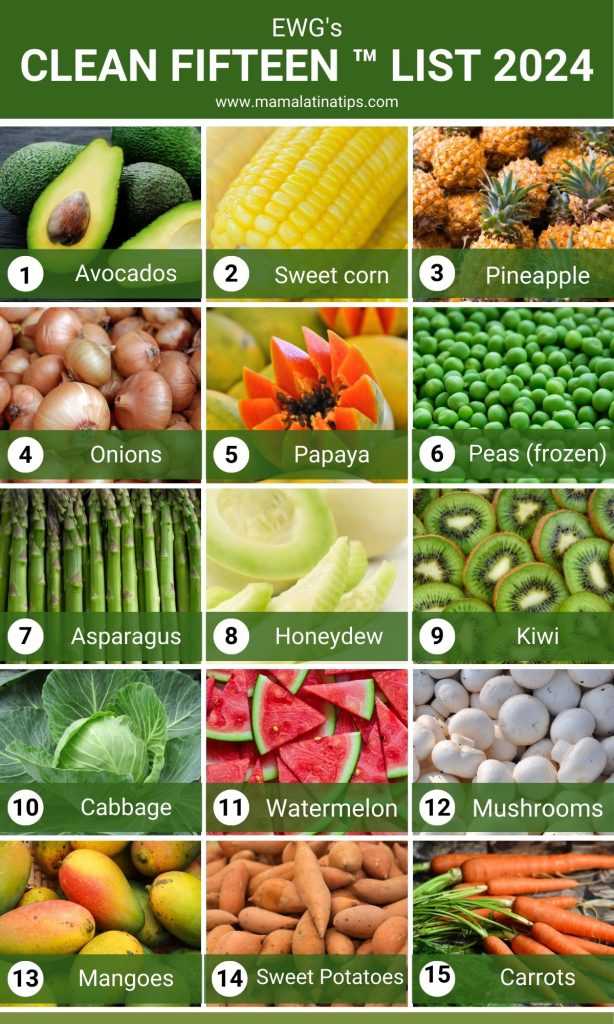
The Environmental Working Group (EWG) compiles a yearly list of items that are either heavily sprayed or retain fewer chemicals. Items at the top of the list should prompt consumers to seek organic alternatives when possible, whereas others are safer to buy in non-organic forms. Regularly switching to organic versions of the highest-contaminated produce can significantly reduce your chemical intake.
To make your grocery shopping simpler, a handy chart outlining both high-risk and low-risk items is available. This chart helps you identify which produce is worth the extra investment in organic farming practices. By following this guideline, you can prioritize healthier choices without exceeding your budget.
Ultimate Guide to Produce Safety: Toxins in Foods
Prioritize buying organic for fruits and vegetables that consistently test high for pesticide residues. These include strawberries, spinach, and nectarines. Opting for organic versions of these items will help reduce exposure to harmful chemicals.
Some produce items have lower pesticide levels, making conventional versions a safer choice. Apples, grapes, and tomatoes fall into this category, meaning they are generally safe to purchase from non-organic sources without a significant risk of pesticide exposure.
Be sure to wash all fruits and vegetables thoroughly. Even those with lower pesticide residues can still carry harmful chemicals that washing can help eliminate. A mixture of water and vinegar can aid in removing contaminants from produce with delicate skins.
- Peppers, like bell and hot varieties, are frequently contaminated, so always consider organic options.
- Celery and spinach often retain pesticide residues even after cleaning, so avoid conventional versions.
- Avocados, on the other hand, have thick skins that shield the fruit from pesticides. Choose non-organic without much concern.
Opt for a protective strategy by focusing on organic purchases for high-risk foods. Investing in organic alternatives can decrease exposure to harmful chemicals linked to health risks, like hormone disruption and neurological damage.
Interestingly, while it may seem necessary to avoid conventional produce entirely, many vegetables such as onions and sweet corn are typically lower in pesticide levels. Including these in your diet won’t pose much harm, regardless of farming practices.
Monitor ongoing guidelines from health and environmental agencies, as new findings may adjust recommendations. Stay updated to protect both your health and the environment while enjoying a diverse, balanced diet.
How to Identify the Most Contaminated Fruits and Vegetables
To spot produce with high pesticide residue, focus on items with thin or porous skins. Apples, strawberries, and grapes are commonly found to hold high pesticide levels, making them key candidates for careful inspection. Always opt for items with thick skins or those you can peel, like bananas and avocados, as these tend to have fewer chemicals lingering on the surface.
Pay attention to the growing method. Conventionally farmed produce is more likely to contain residues compared to organic alternatives. For example, bell peppers, spinach, and kale frequently show higher contamination due to their farming practices. On the other hand, produce with lower pesticide levels like onions and sweet corn, generally have better profiles when it comes to chemical exposure.
When shopping, prioritize washing or peeling fruits and vegetables with high residue likelihood. It can significantly reduce pesticide intake. In the case of leafy greens, opt for organic versions when possible, as conventional crops often retain harmful substances even after washing. Consider investing in a fruit and vegetable wash solution for extra protection.