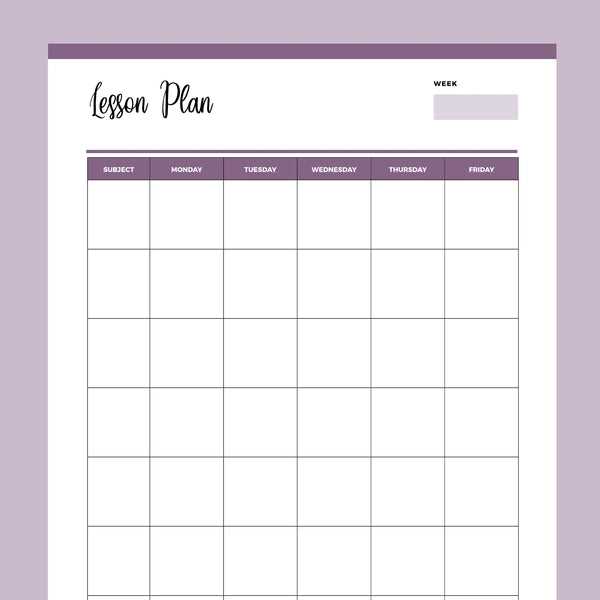
Start by selecting a structured set of materials tailored to your child’s grade level and educational needs. These resources often include a variety of subjects, from math to language arts, organized into easily manageable sections.
Ensure you align your chosen resources with the child’s current level of understanding. Many sets offer templates that you can print out and use as-is, but it’s important to personalize the schedule to fit your child’s pace and strengths.
Organize the activities by topic for each week, ensuring there is a clear progression. This structure will help the child focus on one area of learning at a time while maintaining variety throughout the week. Mixing subjects keeps the process dynamic and enjoyable.
Use additional tools and guides to support the teaching process. Many sets come with tips on how to teach specific concepts, recommended additional exercises, and ways to assess progress. These extra resources help guide the parent in providing effective support during the learning process.
Organizing Your Weekly Learning Schedule
Start by selecting a set of activities for each subject. Organize them into clear, manageable tasks for each day of the week. This structured approach helps maintain consistency and ensures that all topics are covered. Be sure to allow flexibility for your child’s learning pace, adjusting the difficulty level as needed.
Make use of supplemental materials like quizzes or practice exercises to reinforce what was taught during the week. These extras not only solidify concepts but also help keep the child engaged. By reviewing at the end of each week, you can track progress and make necessary adjustments to the plan.
How to Download and Organize Your Learning Materials
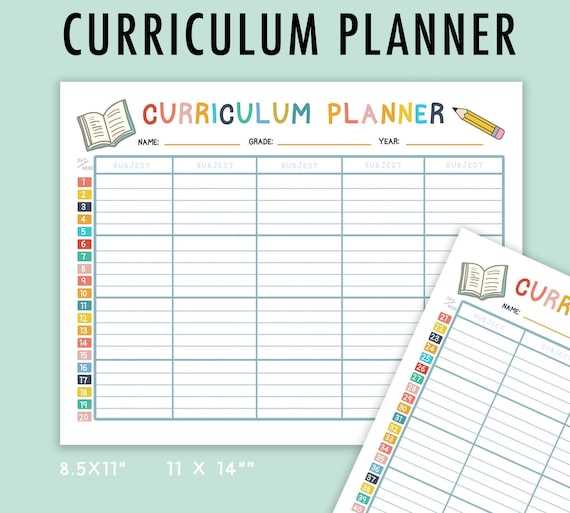
Start by choosing a reliable website that offers structured educational materials. Ensure the resources cover all the subjects you want to focus on and align with your child’s learning goals. Many sites offer options to preview before downloading, so verify the content fits your needs.
Once you’ve selected the resources, download them in a format that’s easy to store and organize. PDF files are ideal for most materials because they are printable and can be easily opened on various devices. Make sure the files are correctly labeled and named for easy identification.
Create a dedicated folder on your computer or cloud storage for each subject or topic. This helps you quickly access the materials when needed. For added organization, consider creating subfolders for each week or unit, making the learning process more systematic.
Print the necessary materials in advance to keep everything ready for the week. Use high-quality paper to ensure durability. Depending on your preferences, you can print a full set of materials or only what’s required for each day. This avoids unnecessary clutter.
Organize the printed materials in a binder with dividers. Use labeled sections for each subject or week to keep everything in order. For a more streamlined experience, store worksheets and guides in clear sheet protectors to keep them safe and easy to flip through.
Finally, review the materials each week to make adjustments based on your child’s progress. If needed, add extra activities or adjust the pace. Regularly updating your collection ensures it remains relevant and aligned with your child’s development.