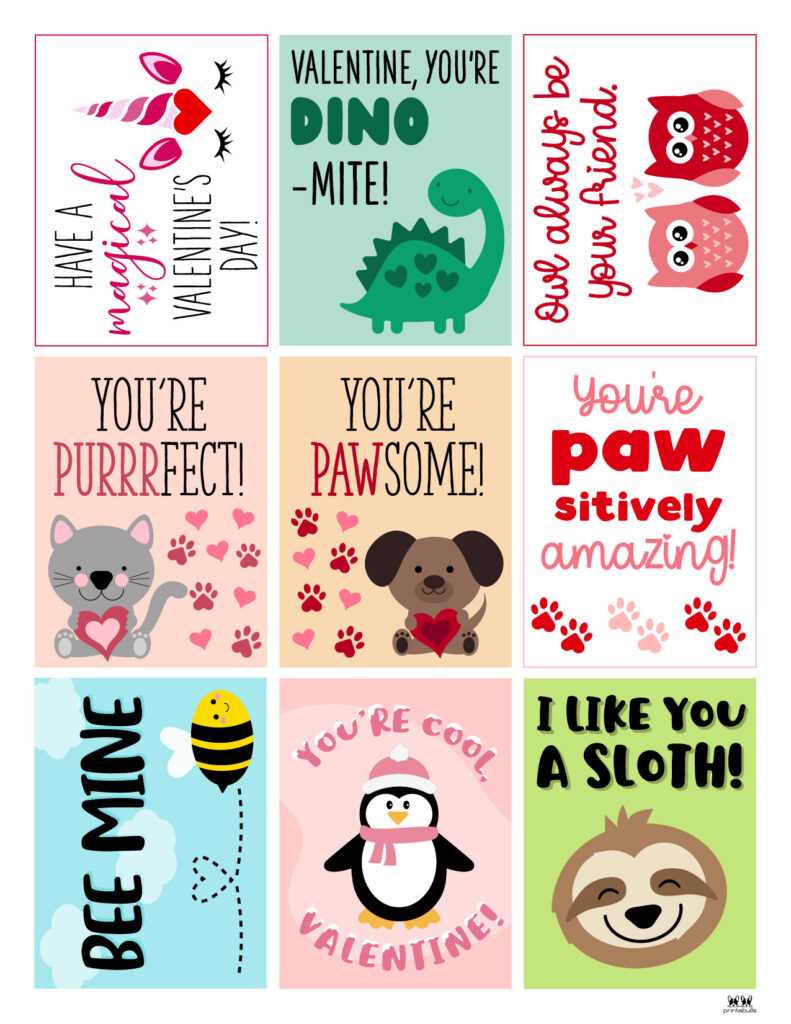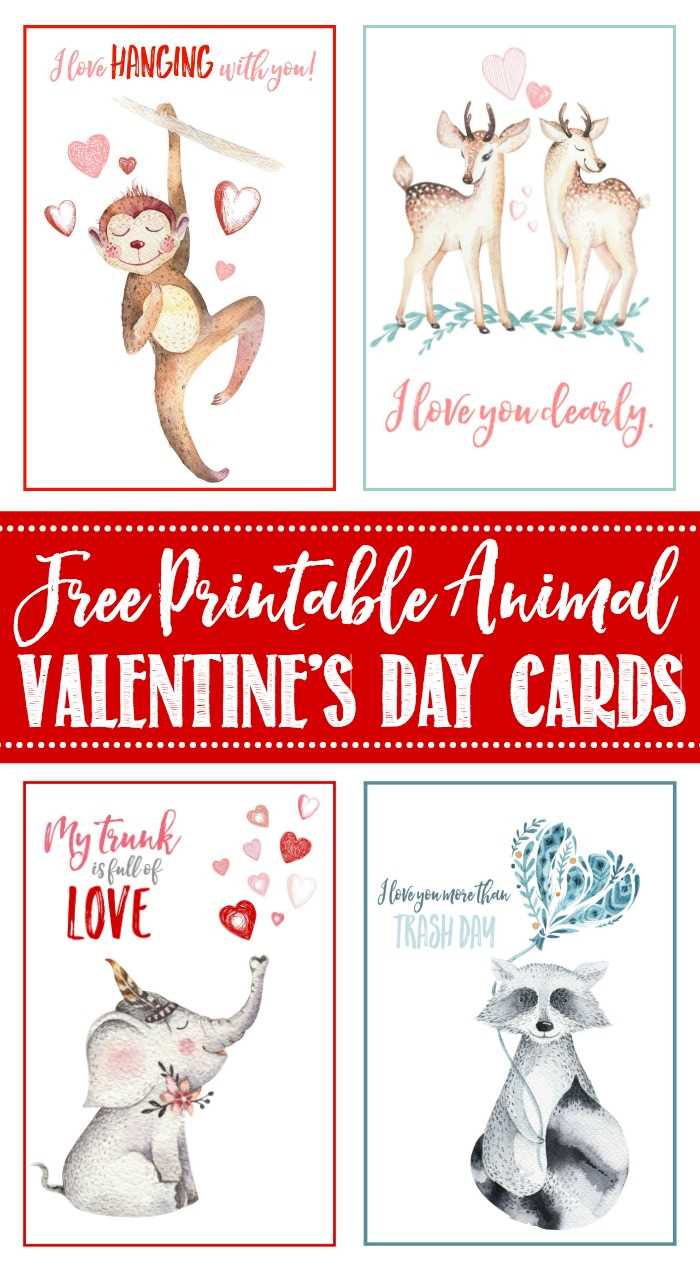
Start by choosing a template that fits your style. Look for simple designs with clean lines, or opt for something more elaborate with colors and patterns that reflect the occasion. You can find various styles ranging from modern minimalistic designs to more playful, themed graphics. Whether you prefer something abstract or traditional, there are plenty of options to choose from to convey your heartfelt message.
Next, select the right paper type. High-quality paper or card stock will make your design stand out, ensuring it looks as polished as possible. It’s important to select a paper weight that suits the design–lighter paper for simple prints and heavier cardstock for more intricate designs or those with additional embellishments like glitter or embossing.
For a personal touch, consider adding a hand-written note after printing. This can be a short message or a heartfelt quote to make the gesture more meaningful. Incorporating a handwritten element elevates the overall presentation and lets the recipient know that extra effort went into creating their special surprise.

Finally, before printing, ensure your printer settings are adjusted to the highest resolution possible. This will ensure the colors appear vibrant and the details are crisp, making your creation look professional. Always preview your design to check the alignment and proportions to avoid any issues when printing.
How to Create Custom Greeting Cards for Special Occasions
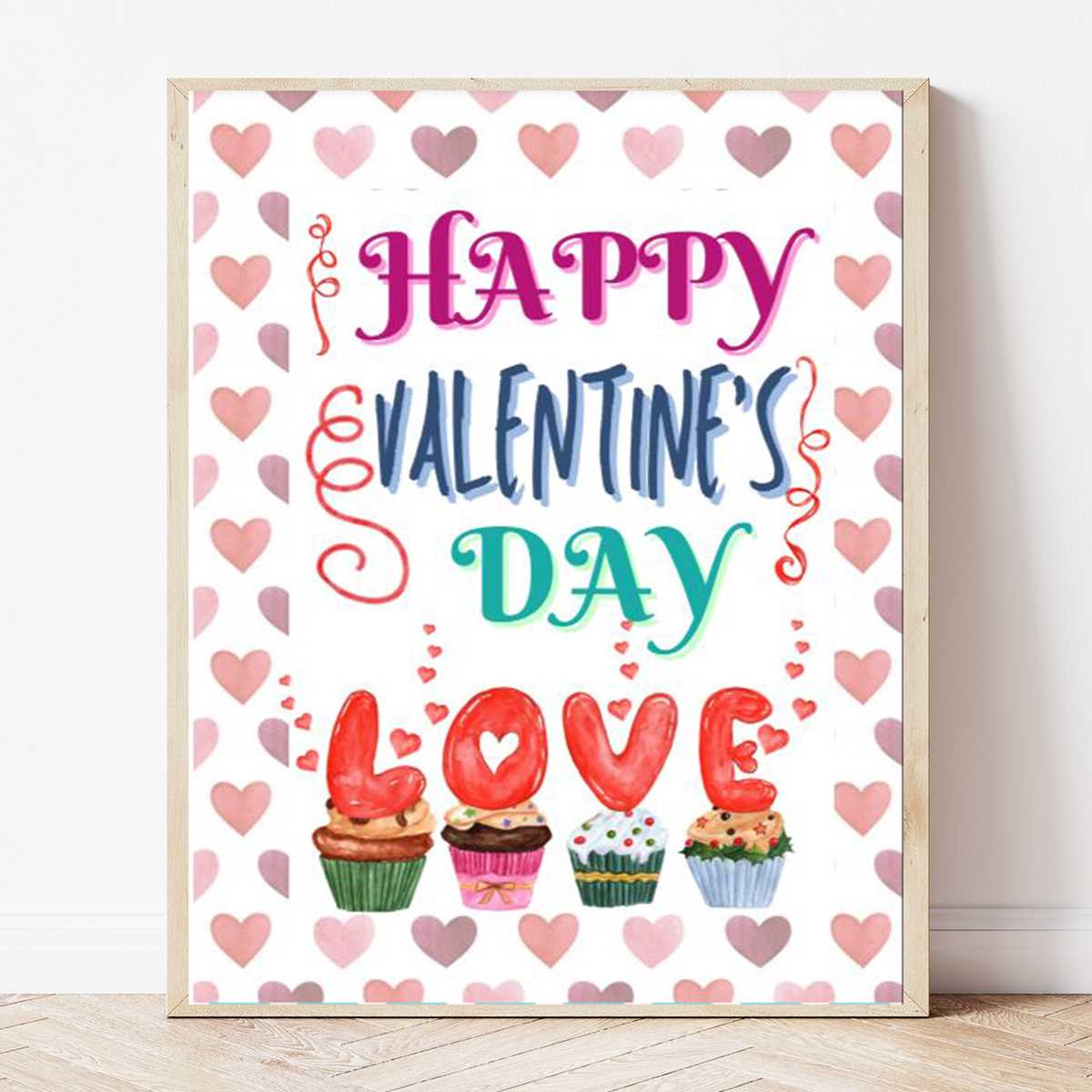
Start by selecting the template that best fits the theme of the celebration. There are numerous designs available ranging from simple, elegant styles to more vibrant and playful options. If you’re looking for something personal, choose a blank template where you can add your own images, quotes, or handwritten messages. Many online platforms provide customizable templates, allowing you to adjust colors, fonts, and layouts.
For printing, always opt for high-quality materials. Card stock or thicker paper will give your design a professional look. Choose a weight that supports your design, especially if you plan to add any decorative elements like stickers, ribbons, or embellishments. Avoid using thin printer paper, as it may not hold the design well, especially for detailed or colorful prints.
Customize your message to make it more personal. A simple “Happy [Occasion]” can work, but adding a specific message related to the recipient can make the greeting much more meaningful. For example, include memories you’ve shared or qualities you appreciate about the person. This small touch can truly elevate the sentiment of your design.
Once you’ve completed your design, review everything for alignment and ensure there are no unwanted empty spaces or errors. It’s always a good idea to print a test version on regular paper first, just to check how the design appears once printed. This will help you spot any mistakes before printing the final version on your preferred paper.
After printing, don’t forget to fold or trim the card neatly. If the template you’ve selected includes a fold line, use it as a guide. A sharp fold will keep the design clean and prevent it from becoming uneven. If the design requires cutting, ensure you use a paper cutter for precise and clean edges.
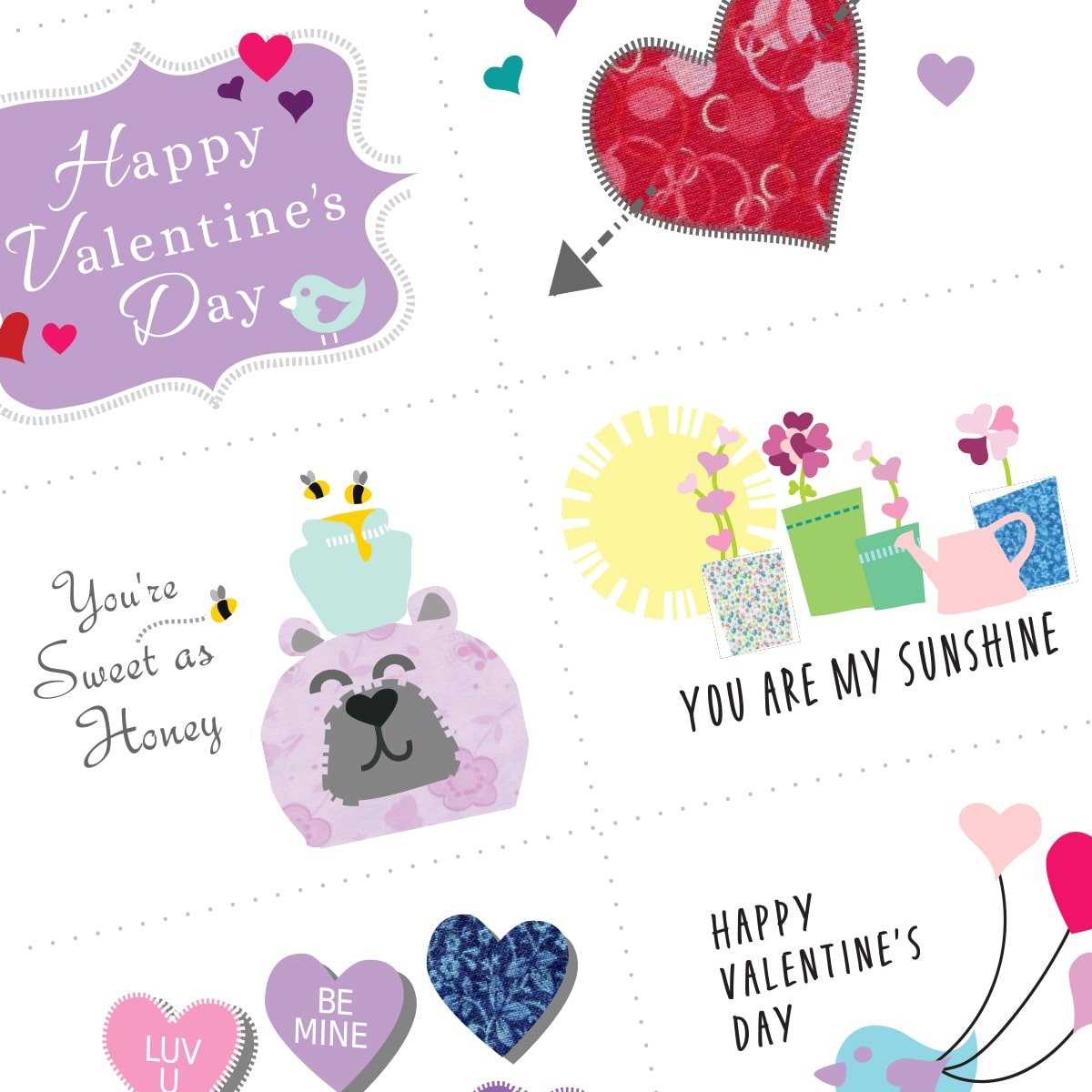
Finally, consider the presentation of the final product. A well-chosen envelope can add an extra layer of thoughtfulness to your creation. If you’re feeling creative, you can also decorate the envelope to match the theme, using stickers, washi tape, or even drawings. This added detail shows that you’ve put effort into every aspect of the greeting, making it a memorable gesture for the recipient.