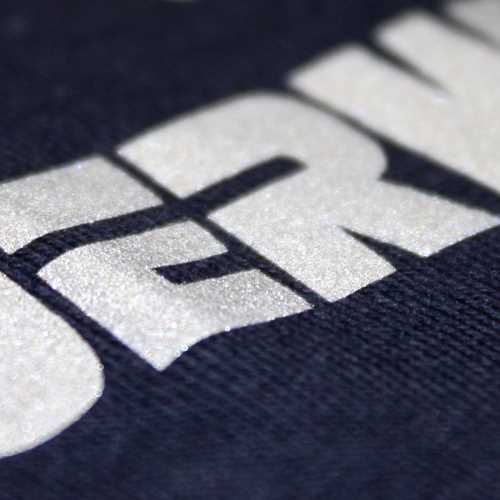
For personalized projects, using custom sheets that allow for easy application to fabrics, t-shirts, or other materials is highly recommended. Start by selecting the right material that allows for clear and sharp design transfers. The sheets available online are usually compatible with standard inkjet printers, so you can create your designs from home.
When choosing a product, check for compatibility with your printer and materials. Some sheets are specifically designed for dark fabrics, while others are best suited for lighter-colored materials. Make sure to select the correct one for your intended project to ensure that colors and details appear vibrant and sharp.
Printing and cutting your designs is simple once you have the right material. Use a software program to create or edit your designs and then print them on the sheets. After printing, carefully cut out the shapes or lettering with a craft knife or a cutting machine for more precision. This process allows you to achieve intricate designs easily.
Once your design is ready, applying it is straightforward. Use a home iron or a heat press machine to adhere the design to your chosen surface. Always follow the specific temperature and pressing time guidelines to ensure the best results. Proper application ensures that your design will remain durable through multiple washes and everyday wear.
Using Printable Sheets for Custom Fabric Projects
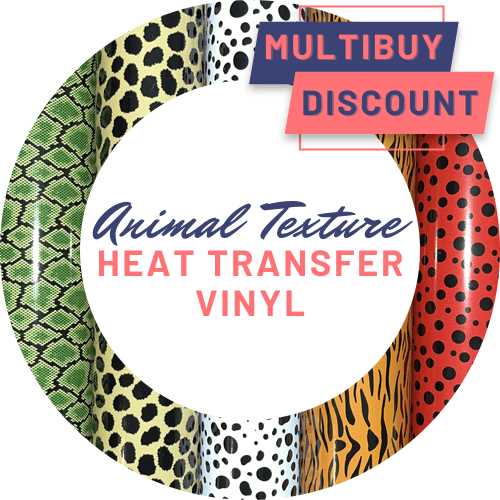
To create durable and personalized designs, it’s important to select a material that allows for clear, sharp, and long-lasting prints. Choose products that are specifically designed for use with home printers and easy to apply with a standard iron or press machine. This material is typically compatible with inkjet printers, making it ideal for home crafting and small business projects alike.
For the best results, check the specifications for the material you choose. Certain products are better for light fabrics, while others are intended for dark textiles. Using the wrong type could result in faded or unclear prints, which is why it’s important to choose based on your fabric color and design requirements.
Once you’ve selected the right material, you can begin creating your designs. Use vector or high-resolution files for crisp, clear images. Many graphic design tools, such as Adobe Illustrator or Canva, offer templates that help you create professional-quality artwork even if you don’t have extensive design experience.
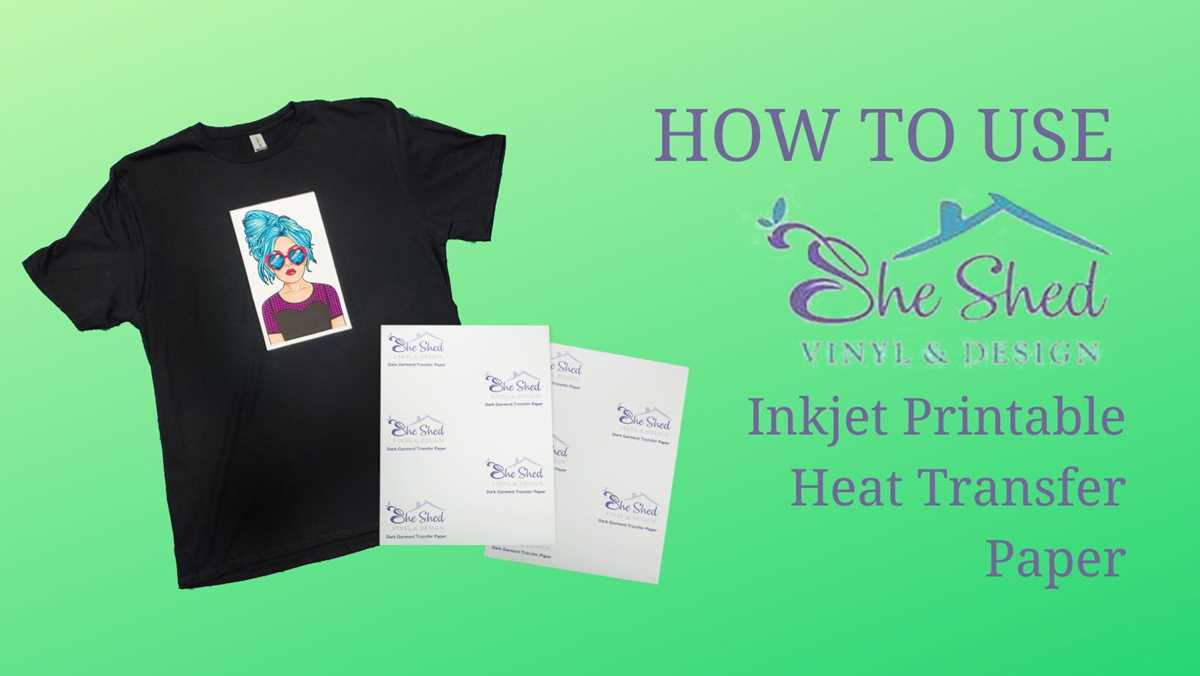
Printing the design is simple: load the sheet into your printer and ensure the settings are adjusted for the type of material you’re using. Most home printers will automatically adjust to the paper type, but it’s still important to check that the correct settings are selected. Make sure the print is fully dry before moving on to cutting.
After printing, cut the design carefully using either scissors or a cutting machine. For precise results, a cutting machine like a Cricut or Silhouette can save time and effort while ensuring clean edges. If you’re doing this manually, ensure that your cutting lines are smooth to avoid uneven edges.
The application process requires a bit of patience. You can either use a standard iron or a heat press, depending on what tools you have at your disposal. Press the design firmly onto the fabric, following the recommended temperature and time for the specific material. Applying heat for too long or too short a time can impact the durability of the print.
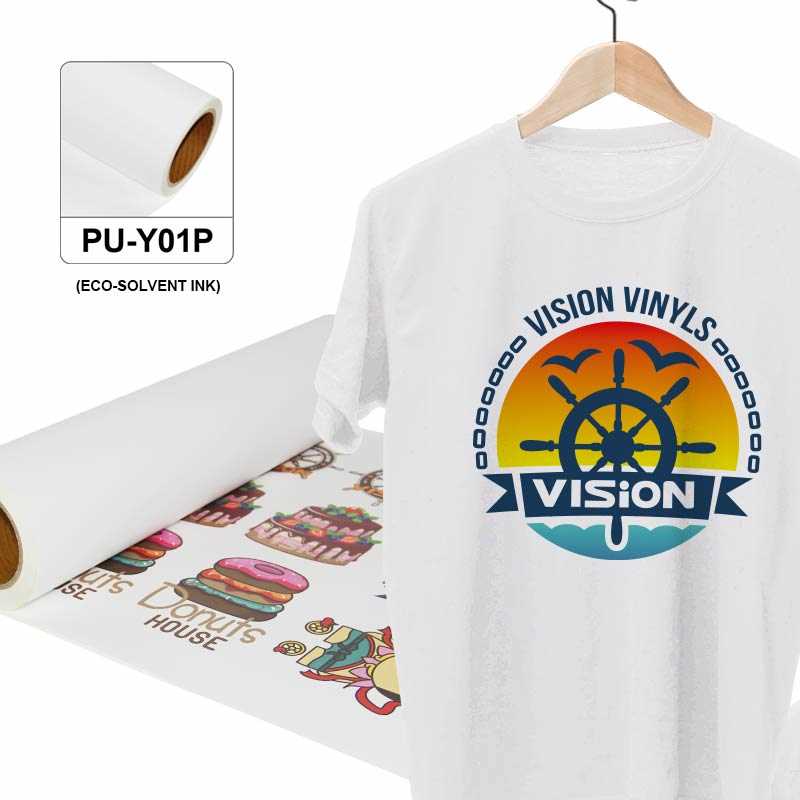
After applying the design, let it cool before handling. For additional durability, you can press the design again or wash the item according to the care instructions provided by the material manufacturer. This will help ensure that the design remains intact through repeated washing.
- Make sure to select the correct material based on fabric type and color.
- Use high-resolution files and professional design tools for best results.
- Carefully cut your designs for precise edges before application.
Choosing the Right Heat Transfer Material for Your Project
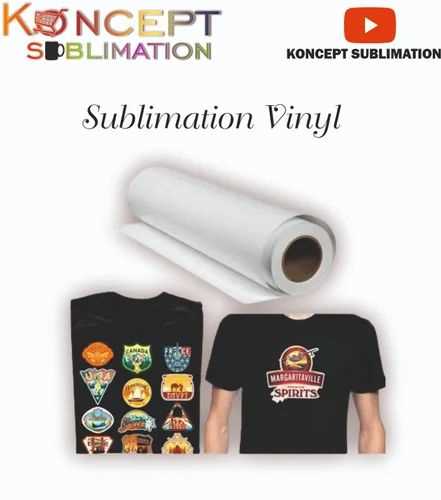
Start by considering the fabric you will be using. Different materials require different kinds of sheets. For lighter fabrics like cotton, choose a soft, thin material that adheres well and feels comfortable against the skin. For darker or thicker fabrics, choose a material designed for heavier application, like thicker sheets that allow for a solid finish on the fabric.
If you’re working with a specific color scheme, be sure to check whether the material you select is compatible with the colors you plan to use. Some products may be designed to work only with dark fabrics, while others can provide vibrant results on lighter materials. Check the product descriptions to confirm compatibility.
Another key factor is the type of design you’re creating. If you’re working with intricate or detailed patterns, opt for a product that allows for clean, sharp lines and edges. Some products work better with small, fine designs, while others are better for larger graphics. Choosing the right material for your design can save time and improve the overall quality of the final result.
Consider the durability requirements for your project. If you’re making custom apparel that will be washed frequently, select a product that provides long-lasting adhesion and can withstand regular laundering without peeling or fading. Some materials offer stronger adhesion, making them better for projects that need to endure wear and tear over time.
Finally, ensure that you have the right tools to apply the material. Some sheets require a specific type of press or iron to achieve optimal results. Verify the recommended application temperature and time for the material you’re using to prevent damage to the fabric or the sheet itself.