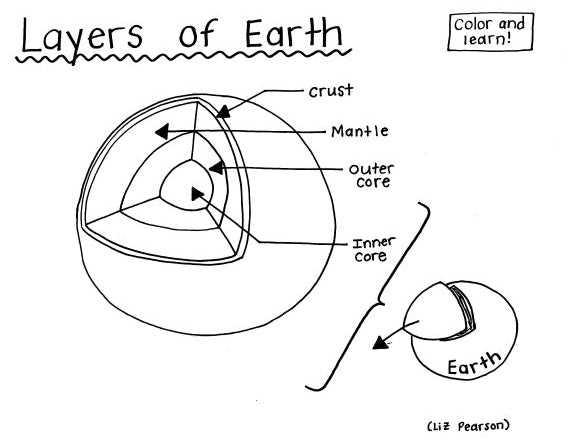
To make environmental lessons more engaging for children, consider using visuals that connect them to the planet’s beauty and the importance of conservation. Many downloadable resources feature designs like maps, landscapes, and nature scenes, which can spark creative and educational conversations. These visuals are perfect for hands-on learning experiences that can improve a child’s understanding of the environment while also enhancing their motor skills.
For younger learners, activities such as matching animals to their habitats, or tracing the continents, help with both geography and environmental awareness. For older children, more detailed illustrations that require careful coloring of ecosystems or the Earth’s natural features can encourage deeper reflection on climate change, conservation, and sustainability.
When printing these activities, make sure the paper quality suits the type of materials your child will be using. For example, thicker sheets work better with markers, while regular paper is sufficient for crayons or colored pencils. Also, consider printing multiple versions for activities that can be revisited or customized for different projects.
Earth-Themed Printable Guide
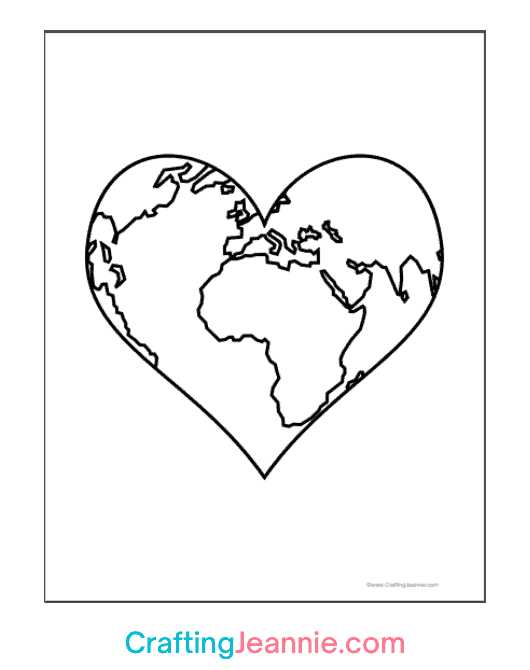
To enhance children’s understanding of the environment, start by selecting designs that focus on natural elements, like trees, oceans, and wildlife. These resources allow kids to learn visually while engaging in creative activities. Ensure the designs feature distinct, bold outlines for easy coloring, which helps children concentrate on details while learning about different ecosystems.
When selecting designs, consider the complexity of the illustrations. Younger children will benefit from simpler designs with large areas to color, such as trees or simple landscapes. As children get older, opt for more intricate scenes that include natural elements, like forests, rivers, or mountains, to encourage a deeper connection with the environment.
Some designs can be used as learning tools, where children match animals to their natural habitats, or identify natural resources in different regions. This adds an educational layer to the activity, making it more valuable than just a fun project. You can also integrate fun facts about the environment to make the activity both enjoyable and informative.
Ensure you have quality paper when printing these resources. Use thicker paper for markers and crayons to prevent bleeding, while regular weight paper works for pencils or colored pencils. This choice will ensure a better experience and a more satisfying final product for the child.
Print multiple versions of each design so children can experiment with different colors or techniques. This practice also allows them to return to the activity later, reinforcing their understanding of various ecosystems and natural elements over time.
Incorporating environmental themes into these designs can further educate kids about climate change, recycling, and conservation. Use activities that show the impact of pollution or the benefits of protecting natural habitats, helping them understand their role in the environment at a young age.
Consider pairing these printable resources with outdoor activities. After completing a design, children can go on nature walks or visit local parks, reinforcing the connection between the images they’ve colored and the real world. These activities solidify the lessons learned from the illustrations.
Lastly, organize a showcase or a group activity where children can present their completed designs to others. This not only boosts their confidence but also encourages conversations about nature and the environment. It’s a great way to wrap up the activity and inspire further interest in the natural world.
How to Select the Best Earth-Themed Activities for Kids
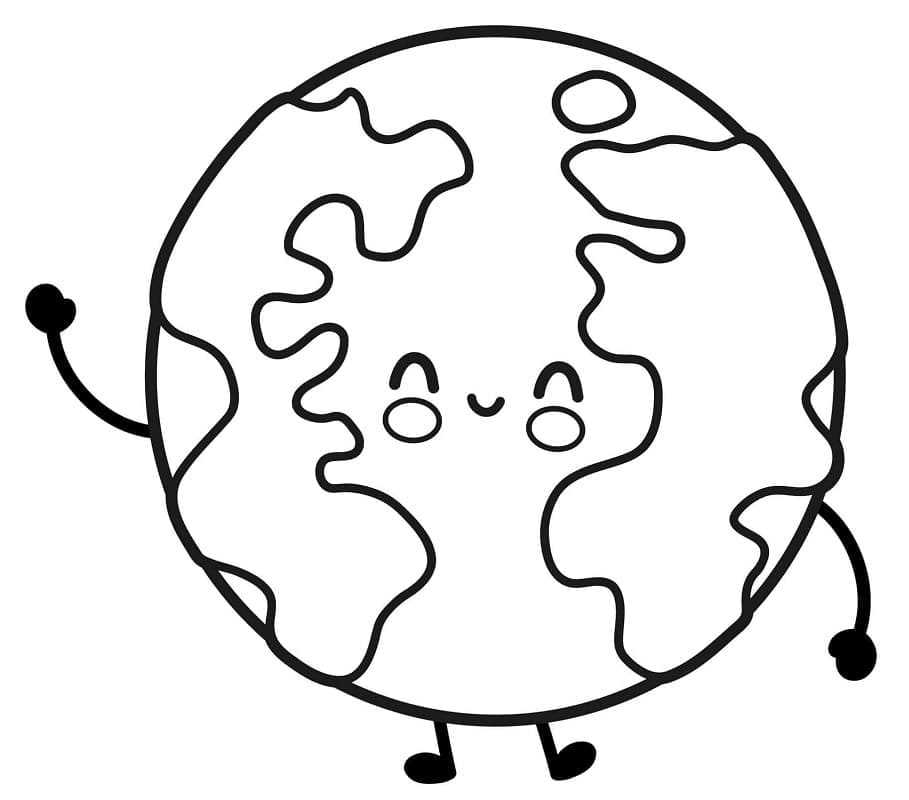
Choose simple designs for younger children, focusing on large areas and basic shapes like trees, rivers, or mountains. These help younger kids focus on the task without feeling overwhelmed. Clear, bold outlines also make it easier for them to stay inside the lines, which builds confidence and motor skills.
For older children, select illustrations with more intricate details that challenge their fine motor skills. Scenes depicting various ecosystems or natural landscapes with animals will help broaden their understanding of the environment. These designs can serve as both a creative outlet and an educational tool, allowing kids to learn more about the natural world as they color.
Look for templates that integrate educational aspects like labeling or fun facts. Some designs might have trees with different types of leaves labeled or animals connected to their respective habitats. This way, kids learn about biodiversity, conservation, and the importance of nature while engaging in a fun activity.
Check for a variety of difficulty levels within a single resource pack. It’s helpful to have multiple options so kids can progress as their skills develop. Start with easy designs and move to more complex ones, allowing children to gain confidence and skill as they work through each page.
Consider the printing medium. If kids will be using markers, crayons, or colored pencils, make sure the paper is thick enough to handle the materials without bleeding. Thicker paper ensures a smoother coloring experience, and the final result will be more satisfying for both the child and the parent.
Lastly, consider the theme and how it ties into what children are currently learning. If they are studying ecosystems, focus on templates that showcase animals, plants, and natural elements from various environments. This allows kids to make connections between what they see in nature and what they color, reinforcing the educational aspect of the activity.