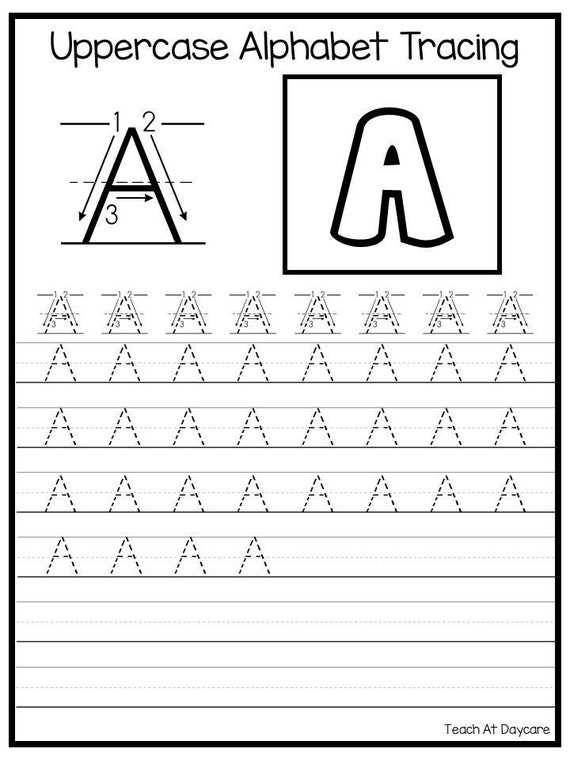
One of the best ways to help children improve their handwriting and recognition skills is by using exercises that focus on letter formation. These activities involve practicing each character repeatedly, which strengthens muscle memory and promotes proper writing habits. Make sure to choose materials with clear instructions to guide children through the steps involved in forming each letter.
For effective learning, it’s recommended to use worksheets with a simple design. The lines should be easy to follow, and there should be enough space between each character to avoid clutter. Start with larger characters for beginners and gradually reduce the size as children improve their writing skills. Additionally, you can select designs that encourage creativity, making the learning process more engaging.
Another way to enhance the experience is by incorporating fun themes into the exercises. This can include using colored pencils or incorporating visual cues like shapes or animals to represent each letter. When children see the letters come to life, they are more likely to stay engaged and practice longer. Keep the tasks varied, so children don’t lose interest over time.
Effective Tools for Practicing Letter Formation
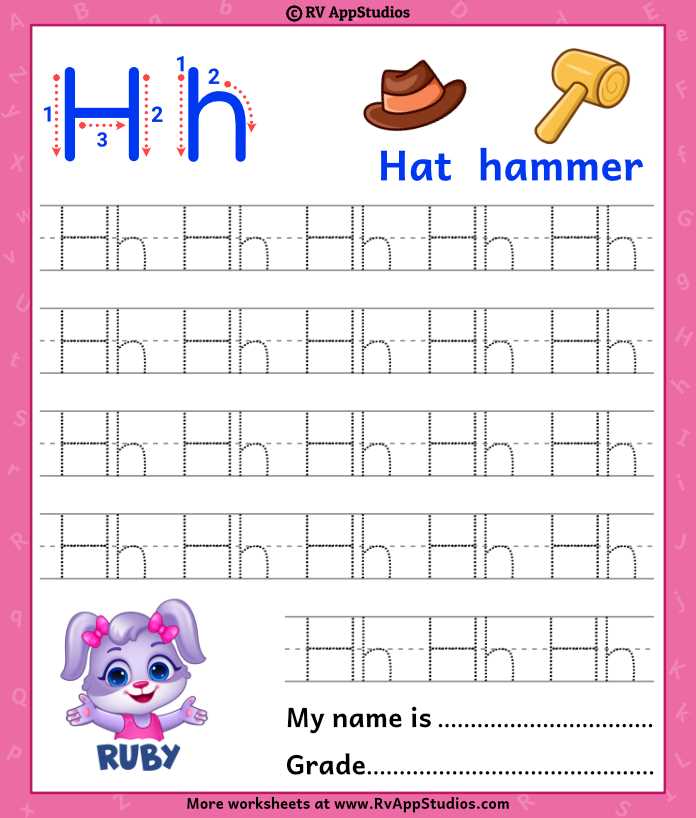
Start with resources that clearly outline each character, providing enough space for children to form the shapes easily. Simple guidelines, such as dashed lines or dotted characters, help them follow the correct path while writing. Gradually introduce different letter styles as they gain confidence and improve their writing technique.
Use worksheets that offer varying difficulty levels. For beginners, opt for larger versions of characters with more space between them. As children progress, you can move to smaller letters with more closely spaced lines. This helps refine their motor skills and prepares them for writing in standard text format.
Incorporate fun and engaging designs, like playful fonts or themed elements, to keep the child interested in the task. Interactive tools, such as colorful fonts or picture associations, can make the learning experience more enjoyable while still focusing on accuracy. This type of approach encourages children to look forward to each practice session.
Make sure that the materials are easy to print and use at home. Many online resources allow you to download and print pages as needed. When selecting these materials, ensure that they are of high quality and can be printed in a variety of formats to suit different age groups.
Introduce activities that not only focus on letter formation but also involve reading and recognition exercises. Pair tracing tasks with games that encourage children to identify letters, which reinforces learning and builds a connection between writing and reading. This dual approach accelerates the learning process.
Finally, track progress regularly and adjust the difficulty based on how the child is doing. Providing positive reinforcement after each session helps build confidence, motivating them to continue practicing. Whether at home or in a classroom, consistency is key to improving letter-writing skills over time.
How to Choose the Right Tracing Materials for Children
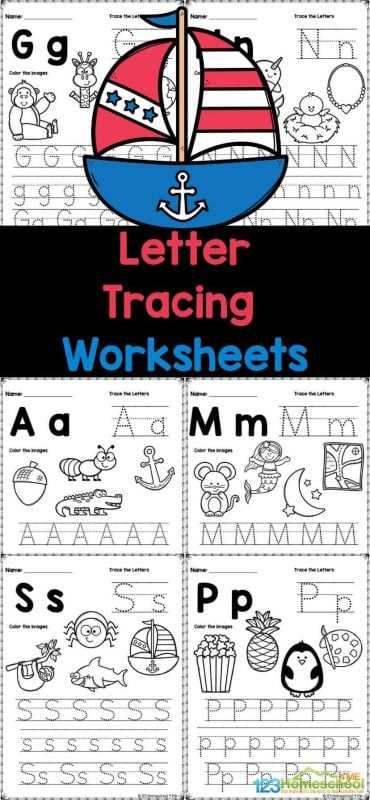
First, ensure the writing guides are clear and simple. Choose resources where each letter or symbol is broken down into easily recognizable patterns. This helps kids focus on learning how to form each shape correctly without feeling overwhelmed. Look for options that offer a combination of dashed and dotted lines to help them visualize the process.
Next, select materials that suit your child’s developmental stage. For younger learners, opt for larger characters with more space between each one. This gives them room to move their hands comfortably. As they become more proficient, move on to smaller letters with tighter spacing to increase their dexterity and control over the writing process.
Consider the style and design of the materials. Bright colors, fun fonts, and engaging themes can make the task more exciting for kids. Look for resources that incorporate playful illustrations or characters that tie in with the shapes, as these can increase motivation and interest during practice sessions.
Choose tools that can be adjusted to the learning pace. Some kids might need more time with basic forms, while others may be ready for more advanced exercises. Look for downloadable sets that allow you to print different levels of difficulty, so you can easily adapt the activities as your child’s skills improve.
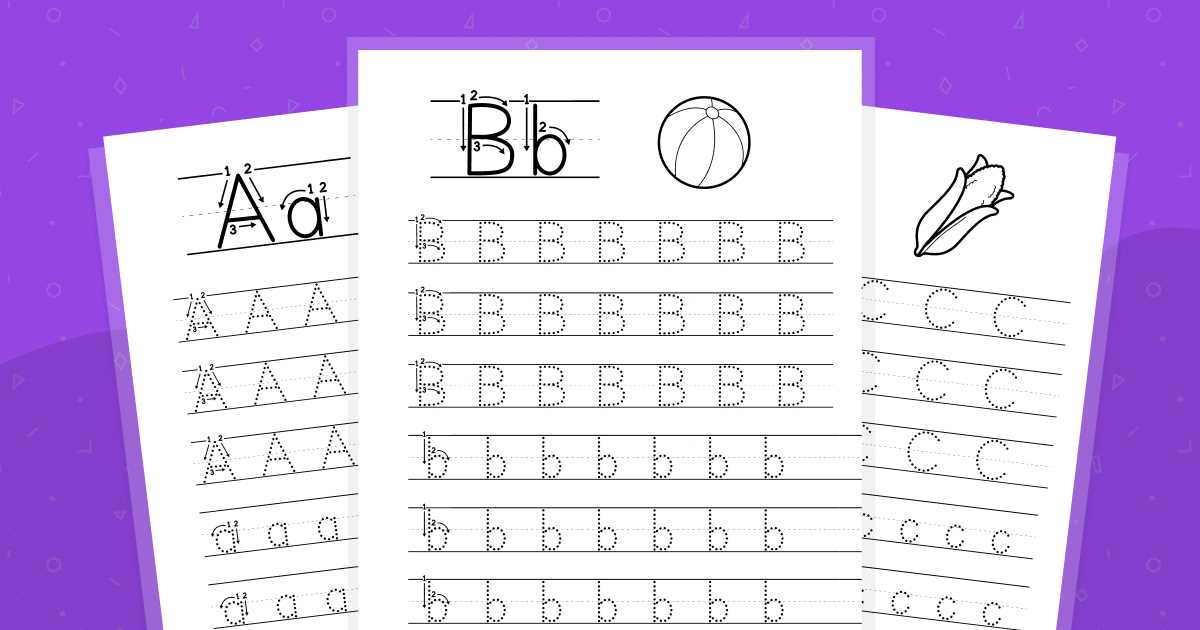
Finally, make sure the tracing practice sheets are easy to use. Resources that are well-organized, clearly printed, and easy to print multiple times will make your life easier. Look for options that offer a variety of practice methods, including free-form writing exercises, to help your child become confident in their writing skills.