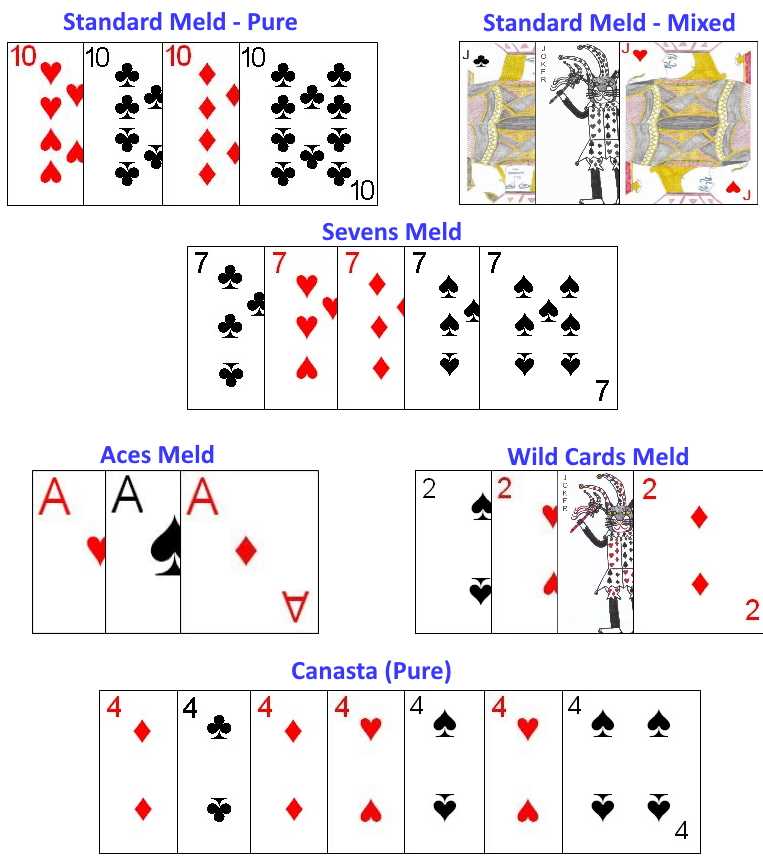
Begin by arranging two teams of two individuals each. Each participant receives 11 cards, and the remaining deck is placed face down as the stockpile. Select a player to begin, and they draw a card from the deck, followed by their turn to play. The goal is to form sets of seven or more matching cards, known as “melds,” to score points. Teams can collaborate, but only one team member can place a meld per round.
Understanding the action flow is crucial. A player starts their turn by drawing a card, either from the deck or the discard pile. Then, they must add to their hand or the team’s melds, if possible. The turn ends with the player discarding a card. A meld can be made with cards of the same rank, such as all kings or queens. However, wild cards like jokers can also be used to complete melds, but there are restrictions on their usage.
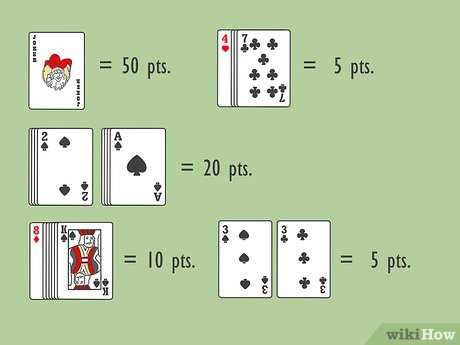
Scoring depends on the cards in your melds and the remaining cards in your hand at the end of the game. Cards like jokers and twos score high, while other numbered cards have lower values. Keep track of these totals, as teams earn points for every valid meld and lose points for unmelded cards. The first team to reach 5,000 points wins the match. Always consider your discards carefully–discarding a low-value card can help avoid giving your opponents an advantage.
Canasta Setup and Play Mechanics for 4 Participants
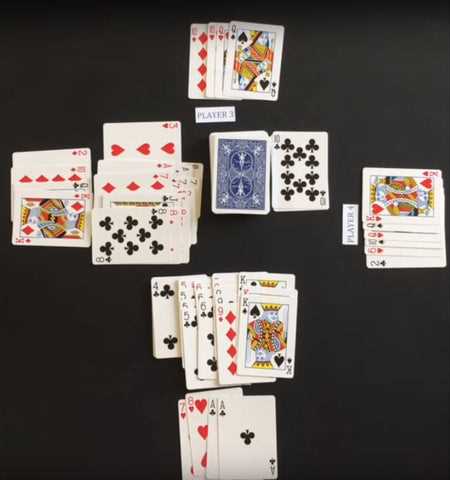
First, organize the participants into two teams of two individuals each. Each participant is dealt 11 cards, and the remaining deck is placed in the center, face down. One player starts by drawing a card from the stockpile or the discard pile. The objective is to build valid card sets known as “melds,” which earn points.
When forming melds, cards of the same rank are grouped together. For instance, a set of sevens or eights. Wild cards, like jokers and twos, can be used in melds but are limited in how they contribute to the score. Each meld must consist of at least three cards, but a complete set of seven cards is the ideal goal.
After each player takes their turn, they must discard one card. This discarding process is key, as it prevents them from holding unwanted cards at the end of the game, which would negatively impact their score. Always keep track of the cards that are discarded by others, as it may reveal their strategy.
In each round, the goal is to complete at least one meld with your team. Players can build off the melds of their teammate, but only one meld can be played per turn. It is important to keep in mind the restrictions on wild cards, as they can only be used in certain situations.
Scoring happens based on the melds formed during the game. For example, wild cards and certain high-value cards like the red twos can significantly boost your team’s total points. Keep track of how much each team is scoring, and adjust your strategy accordingly. The first team to reach 5,000 points wins the match.
It is important to manage the draw pile effectively. Drawing from the discard pile can sometimes give your team a strategic advantage, as it may allow you to complete or improve existing melds. However, be cautious when leaving high-value cards in the discard pile, as it might provide an easy opportunity for your opponents to claim them.
Communication with your teammate is key. While players cannot discuss their cards openly, observing each other’s actions can provide valuable insight. If your teammate discards a card, consider how it might impact the melds you are trying to form. This subtle form of non-verbal communication is often the difference between winning and losing.
At the end of each round, count the points based on completed melds and remaining cards. Cards that are not part of a meld are deducted from the team’s score, so it is important to aim for minimizing these unmelded cards. The game continues until one team reaches 5,000 points, at which point the match ends, and the team with the highest score is declared the winner.
How to Set Up a Game for 4 Participants
Start by dividing the group into two teams of two. Each team sits across from each other to maintain the dynamics of the game. Shuffle the deck thoroughly and deal 11 cards to each participant. The remaining cards are placed face down in the center as the draw pile, and one card is turned face up next to the pile to form the discard pile.
Each round begins with the first player drawing a card. They can choose to draw either from the deck or the discard pile. After drawing, they attempt to form a meld by combining matching cards. Players must then discard one card to end their turn. Ensure each team works together to form valid melds while avoiding excess unmelded cards at the end of the game.
During the setup, assign a point tracker to keep score throughout the game. As the match progresses, points are added for every valid meld, and subtracted for cards left unmelded. The game continues until a team reaches 5,000 points. Keep the flow steady and avoid distractions to maintain focus on the melds and discards each team makes.