Start by creating personalized study sheets that target your weak spots. Rather than relying on generic resources, design materials tailored to your current syllabus. Use templates that allow you to break down complex topics into simple, digestible sections. This approach ensures that you’re reinforcing the most important concepts and not wasting time on irrelevant information.
Time management becomes much easier when you can visually organize your schedule. Build your own weekly planner or to-do list, ensuring it reflects both academic deadlines and personal commitments. By prioritizing tasks and clearly mapping out each day, you’ll avoid the stress of last-minute cramming and stay on top of your responsibilities.
To improve memory retention, create flashcards focused on key terms or formulas. Customize them with color codes or mnemonic devices that resonate with your learning style. These quick, on-the-go tools are perfect for spontaneous review, making it easier to retain information when you have just a few minutes to spare.
Maximize Productivity with Tailored Resources
Create your own study sheets by breaking down each subject into specific sections. For example, rather than using standard notes, design categories that directly reflect your syllabus. Organize key concepts, definitions, and important examples in an easy-to-follow format. This will help you focus your time on areas that need attention and improve overall understanding. When creating your study sheets, use a template that allows space for both concise bullet points and detailed explanations where necessary.
To stay organized and manage your time effectively, build customized planners. Choose between daily, weekly, or monthly formats, depending on your needs. List academic deadlines, class schedules, and other commitments. Make your planner visually appealing with color-coded sections to easily prioritize urgent tasks. This can significantly reduce procrastination and increase focus on what’s most important. Keep your planner nearby for quick updates throughout the day.
How to Create Custom Study Sheets for Exams
Begin by reviewing the syllabus or exam guide to identify key topics. List the most important concepts for each subject and prioritize them based on exam weight. Divide the material into sections such as definitions, formulas, key theories, and important examples. This structure will help focus your study sheet and make it more targeted to the exam format.
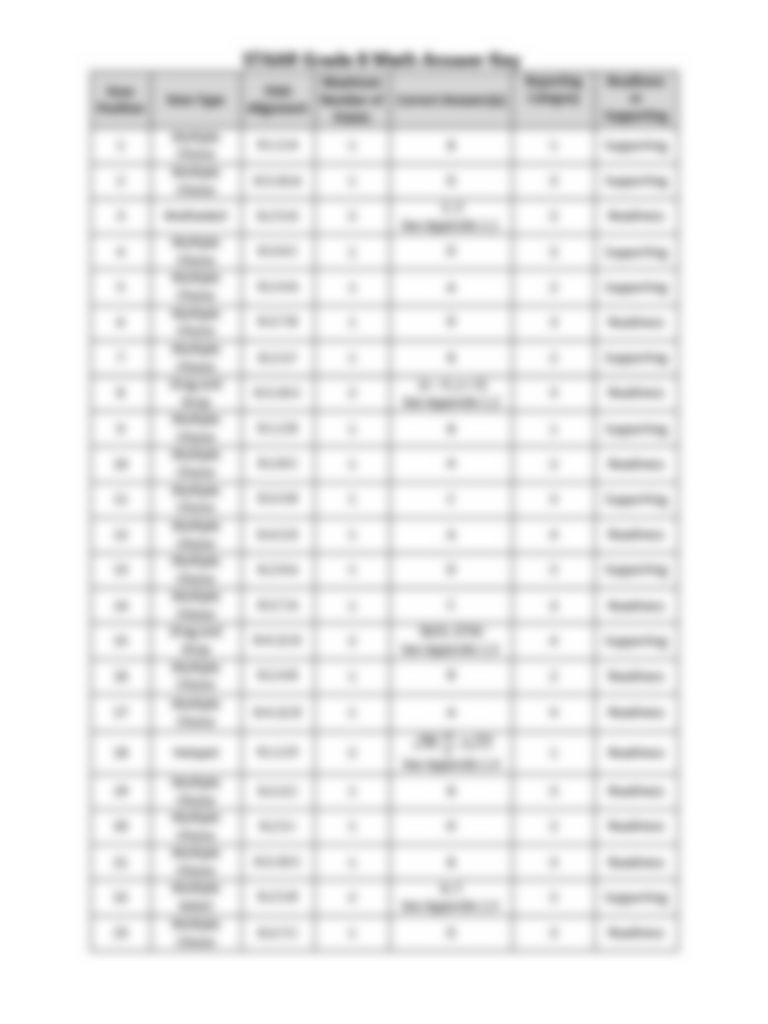
Use a simple table format to organize your notes. Place headings or major themes in the left column and break them down into subtopics in the adjacent columns. This helps clarify relationships between concepts, making it easier to understand and recall connections. Avoid overcrowding the sheet–include only what is necessary for each topic.
Incorporate diagrams or charts where applicable. Visual representations of information, such as flowcharts for processes or mind maps for interconnected ideas, can be powerful tools for visual learners. Keep them simple and relevant to the material. If a topic requires an explanation, add brief annotations next to the diagram to clarify key points.
For subjects that require memorization, use bullet points to list key terms, formulas, or steps. Color-coding these items can increase clarity and help you distinguish between different types of information, such as definitions, formulas, and examples. Highlight or underline the most important points to draw attention to what needs extra focus.
Once your sheet is organized, format it neatly with clear spacing between sections. Use headings and subheadings to differentiate between topics. Try to use large fonts for the main titles and smaller fonts for the details, ensuring that everything is legible at a glance. A clean, uncluttered sheet is far more effective for quick revision.
Finally, save and print your study sheets in a format that’s easy to update. You might want to leave space at the bottom of the page for last-minute notes or reminders. This will allow you to adjust the sheets as needed before the exam. Make sure to print multiple copies, so you can keep one in your study area and one on the go for frequent review.