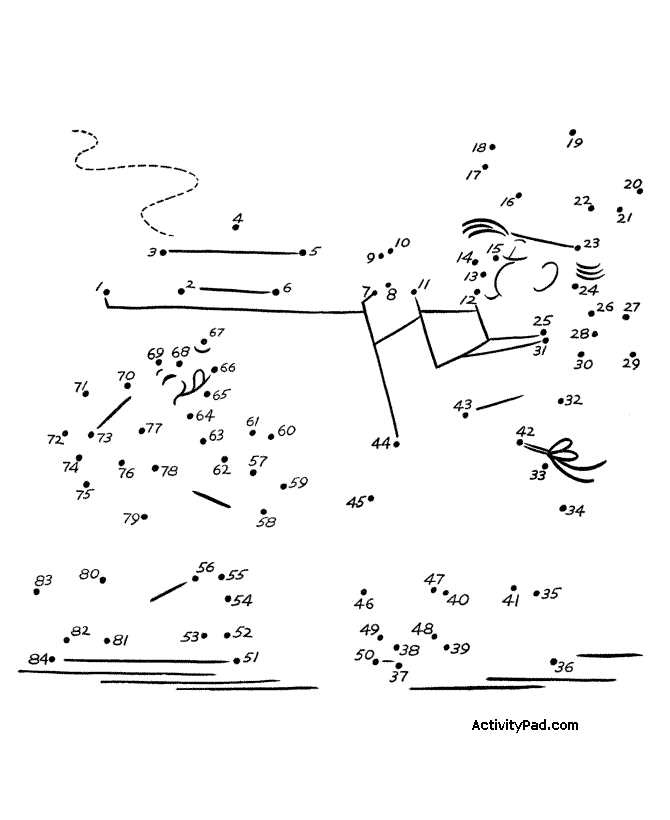
To design a truly challenging puzzle, increase the number of connecting points and make the patterns more complex. Avoid using simple shapes or common objects, and instead, choose intricate or abstract images that require careful attention to detail. The goal is to engage both concentration and problem-solving skills, especially for advanced learners.
Incorporate a higher density of points within the design to encourage users to focus on finer details. Space the points more closely together and consider using a mix of straight and curved lines, making the puzzle more difficult to complete without guidance. To add another level of complexity, add small gaps between segments that require participants to make careful judgments about the next connection.
Another effective technique is to incorporate multiple layers or overlapping shapes. This will not only increase the difficulty but also provide a more visually rewarding outcome when completed. By using non-obvious images or abstract arrangements, participants can be encouraged to think critically while engaging in a mentally stimulating activity.
Challenging Puzzles for Advanced Learners
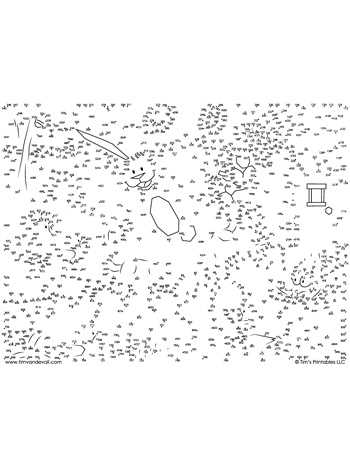
For advanced learners, increase the complexity by using a larger number of connection points. Aim for designs with at least 100 points to ensure that the activity remains engaging and requires sustained focus. Incorporate more intricate details that push the participant’s cognitive abilities and challenge their patience.
Use abstract images or themes that are not immediately recognizable. The lack of a clear, obvious image will encourage the participant to rely on spatial reasoning and critical thinking. These types of puzzles force individuals to focus on the process, rather than the outcome, increasing the mental workout.
Consider incorporating curved and jagged lines in addition to the usual straight lines. The challenge of following a non-linear path makes the puzzle more difficult to complete accurately. Variations in line direction and curvature demand higher attention to detail.
Introduce puzzles with multi-layered designs. For example, start with a simple object at the bottom and layer more complex shapes or patterns over it. This technique makes it more difficult to predict the end result and adds an element of surprise and complexity to the puzzle-solving process.
- Start with geometric patterns, such as intricate polygons or tessellations, to test pattern recognition skills.
- Move on to more organic shapes, such as animals or complex objects, which require a deeper understanding of proportions.
- Finally, experiment with abstract art shapes that leave less to the imagination and demand careful attention to each line.
Incorporate varying line thicknesses and point sizes. By adjusting these parameters, you can create a sense of depth and perspective in the design. This adds another layer of complexity and ensures that learners must pay even more attention to the visual relationships between elements.
Lastly, challenge participants with limited instructions. Instead of providing full guidance on the order of connections, leave out some numbers or offer partial clues. This adds a layer of difficulty by forcing learners to make educated guesses about the next step and improving their decision-making abilities.
How to Create Advanced Puzzles for Adults
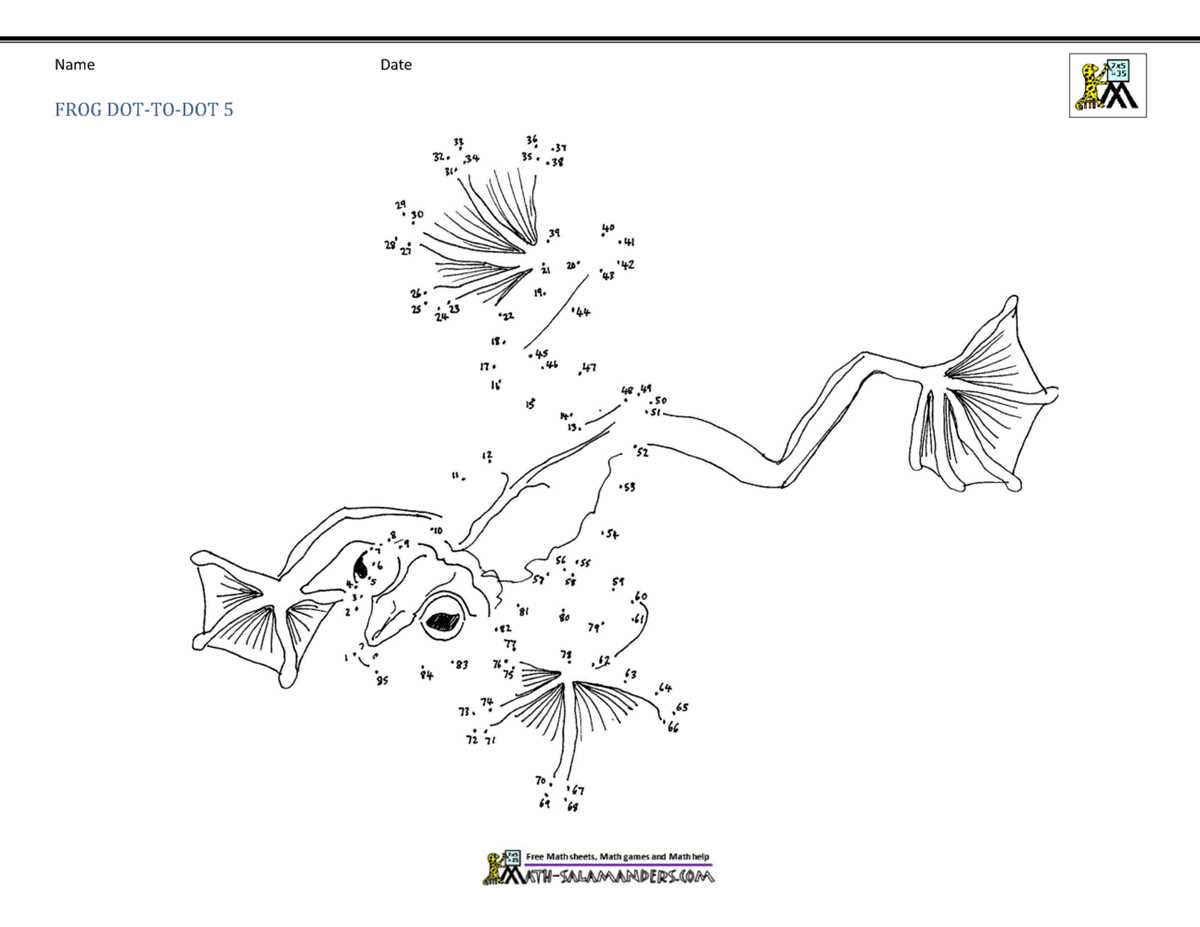
Start by selecting complex subjects, such as intricate architectural structures, abstract art, or detailed maps. These themes require a greater degree of attention to detail, which makes the puzzle more engaging for adults. Avoid easily recognizable shapes, and focus on designs that are abstract or have layered elements.
Increase the number of connection points to at least 200 to ensure that the puzzle stays challenging. A larger number of points requires sustained focus and a higher level of patience. For even greater difficulty, create puzzles with smaller, tightly spaced points that demand precision in following the path.
Consider adding multi-step instructions for more complexity. Instead of connecting points in a straightforward numerical order, offer partial sequences or give hints that require participants to think critically about the next connection. This technique encourages problem-solving skills and keeps the user engaged for a longer period.
Finally, introduce variations in the line types used. Mix straight lines, curves, and angles in different sections to prevent the puzzle from becoming monotonous. This encourages the solver to pay closer attention to the directions and improves their spatial awareness.