When managing property, safety is a top priority. An effective way to ensure the building meets safety standards is by regularly conducting thorough checks. The best way to do this is by having a structured guide in place, detailing specific tasks and areas to examine. Here’s how you can create a tailored safety sheet to keep track of vital aspects and stay compliant with legal requirements.
Creating a Customized Safety Evaluation Sheet
Start by identifying all the necessary elements for a complete safety assessment. The list should cover both mandatory and recommended checks. Key categories to include:
- Exit Routes and Emergency Lighting: Ensure all exits are clear and accessible. Verify emergency lighting systems are functioning properly to guide people out in the event of an emergency.
- Alarm and Detection Systems: Test smoke alarms, heat detectors, and fire suppression systems to ensure they are operational.
- Electrical Safety: Examine wiring for wear and tear. Check that outlets and appliances are not overloaded.
- Flammable Materials: Store flammable substances away from heat sources, and check that proper storage guidelines are followed.
Each area should be regularly reviewed, with a space for noting completion dates and any issues found. Make sure that all information is up-to-date, ensuring you meet both local regulations and industry standards.
Key Areas to Cover for Compliance
Having a list of items to check helps to stay compliant with local regulations. Here are some specific elements to consider while conducting assessments:
- Fire Exit Signage: Make sure all exit signs are illuminated and visible from all parts of the building.
- Sprinkler Systems: Inspect sprinkler heads to ensure there are no obstructions, and the system is ready to operate.
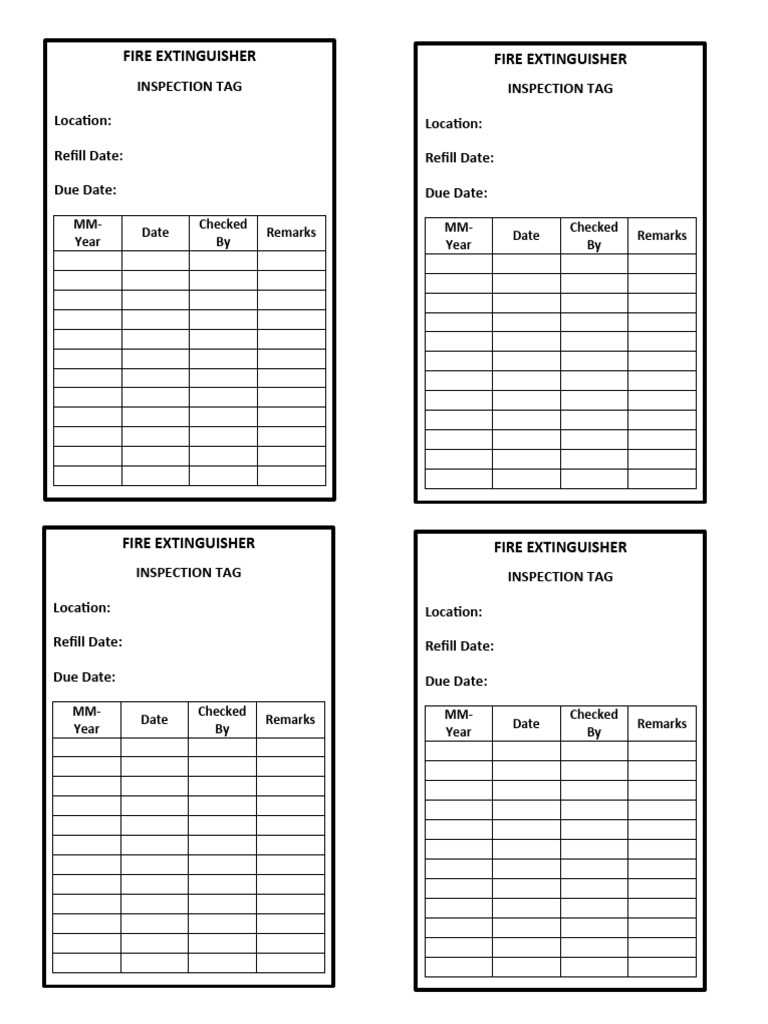
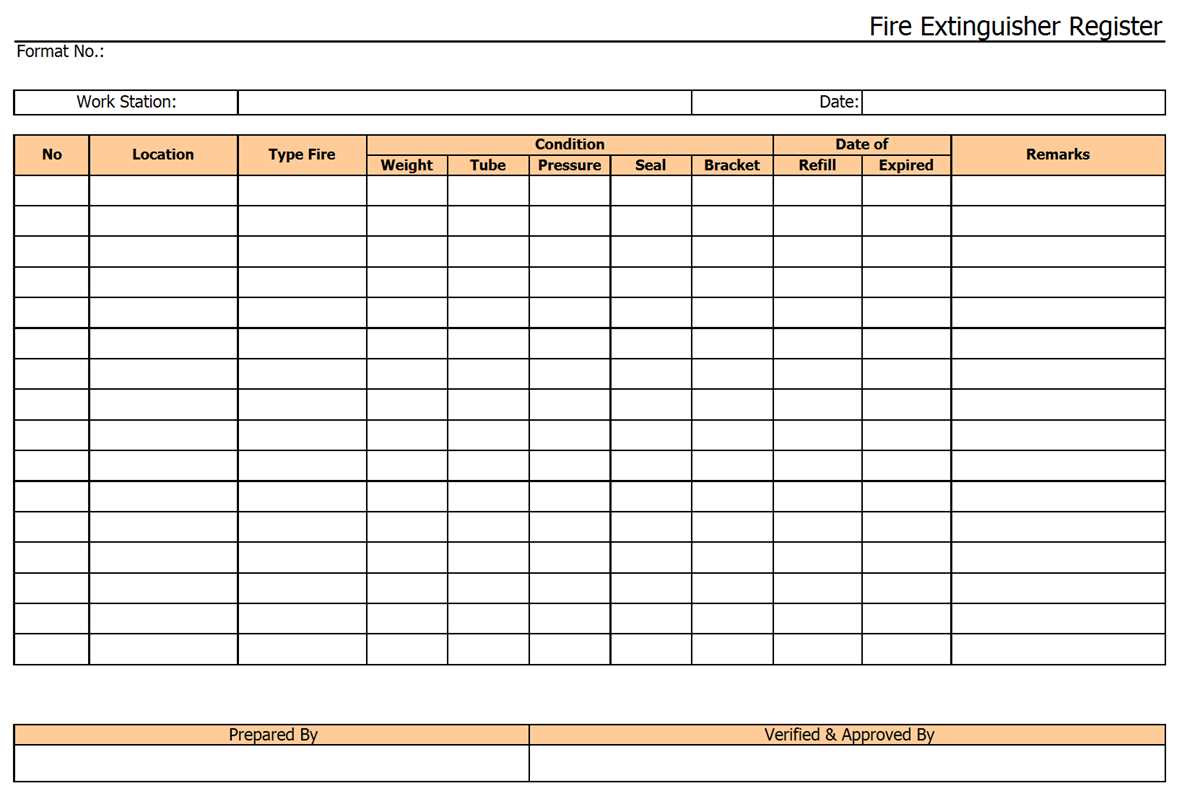
- Fire Extinguishers: Check the placement, pressure gauge, and last maintenance date of all extinguishers on the property.
- Building Materials: Inspect walls, doors, and windows to ensure they are made of fire-resistant materials where necessary.
Document any findings on your evaluation sheet, and if you find issues, take immediate corrective actions. Regular evaluations can help prevent costly fines or penalties while providing peace of mind for occupants.
Additional Tips for a Successful Safety Review
- Involve a Professional: Hire a certified fire safety professional for a more detailed inspection if you’re unsure about specific elements.
- Train Your Team: Ensure all building staff are aware of safety procedures and are trained in emergency response actions.
- Stay Updated: Keep your checklist updated with any new regulations or building modifications to ensure ongoing compliance.
By conducting these regular assessments, you ensure a higher level of safety in your property and guarantee that all legal requirements are being met. Consider using this template as a base for your custom safety evaluations, adjusting it to meet your specific needs.
How to Create an Effective Safety Assessment Form
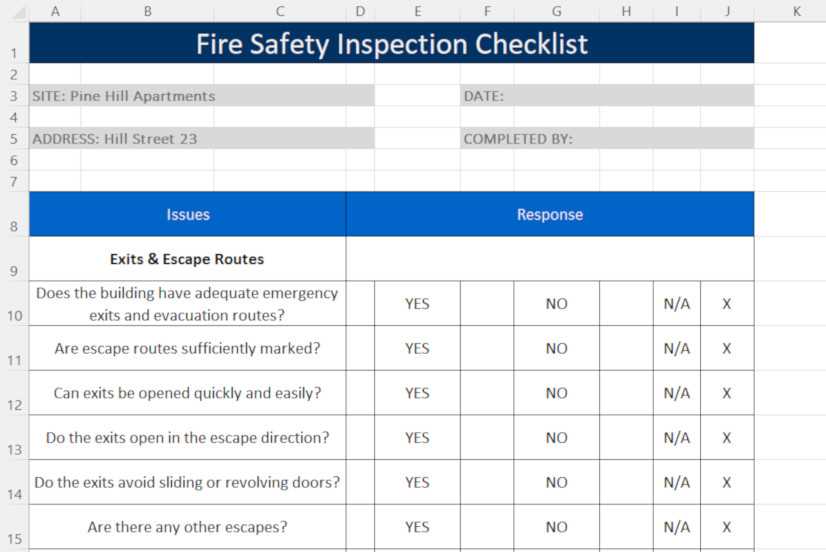
To effectively assess the safety of your property, you need a structured format that helps identify all potential hazards. Begin by defining the key areas that need monitoring, such as exit routes, alarm systems, and electrical setups. Include spaces to note the condition of each system and any required actions. This format should be easy to fill out and designed for regular use, so choose a layout that offers clarity and simplicity.
List the critical components in categories, such as “Exit Access”, “Alarm and Detection”, “Electrical Systems”, and “Hazardous Materials”. Ensure that each category is broken down into specific checks. For example, within the “Exit Access” category, check for blocked routes, accessible signage, and the functionality of emergency lighting. This granularity makes it easier to identify any issues and track improvements over time.
Make the document adaptable to different types of properties. A commercial building may need more extensive checks than a residential property, so include extra sections that can be used when necessary. Also, add a date and signature section to track when each assessment is completed and by whom. This creates a reliable record for inspections and is useful for audits or legal compliance.
It’s important to include a ratings or priority system on the form. For each checked item, you can add options for marking whether the issue is urgent or can wait. For example, a broken smoke detector should be marked as high priority, while a cracked window may be a lower priority. This will help prioritize tasks and ensure that safety risks are addressed immediately.
For convenience, make the document available in digital form. This allows easy access and the possibility to update it as new regulations or requirements arise. You can also integrate reminders for periodic checks. Using digital tools can streamline the process, ensuring all necessary safety measures are always in place and up to date.
Incorporate a section for notes or comments at the bottom of each page. This space allows the inspector to record specific observations, such as the need for further evaluation or notes about repairs. It can also include safety tips or suggestions for improving the property’s safety profile. Regularly reviewing and updating this form will keep it useful for years to come.