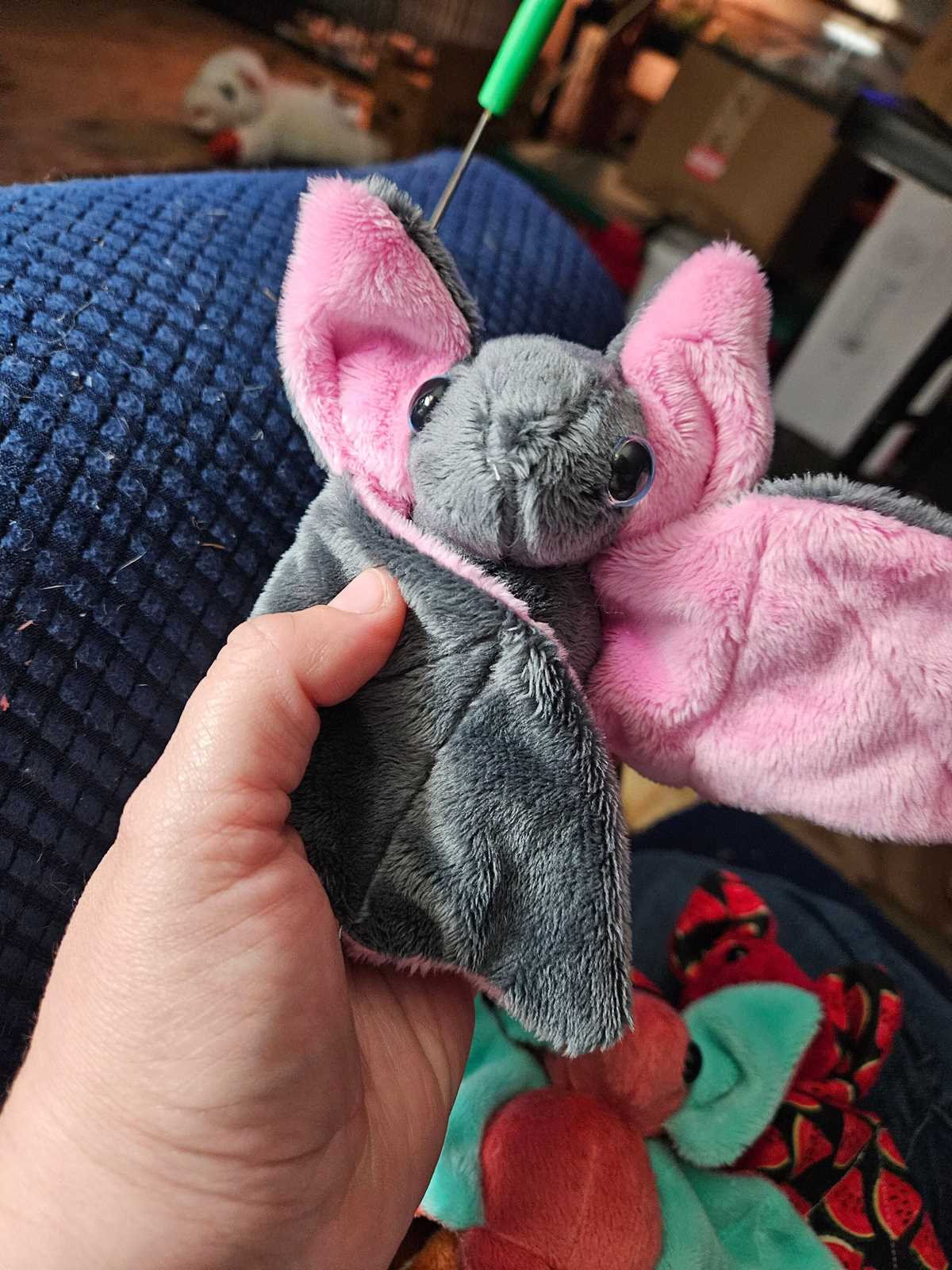
Start by gathering your fabric and supplies for this fun sewing project. Choose soft, durable materials like fleece or felt for easy stitching and a cuddly result. You’ll need to cut out your pieces according to the provided design, ensuring the proportions of wings and body are correctly measured to create a balanced shape.
Once your fabric pieces are ready, use a simple running stitch or a machine to sew the edges together. Focus on adding the finer details such as the eyes, ears, and any additional decorative touches to bring your creation to life. You can experiment with different colors to personalize your flying friend further.
For a more advanced look, consider adding small embellishments such as tiny beads or embroidered patterns. These elements can make the toy look even more charming while giving it a professional touch. When the sewing is complete, stuff the toy to your desired softness and securely close the seams. Your new plush creature is now ready for display or cuddling!
Creating a Flying Creature with Fabric and Thread
Start by selecting a fabric that is soft but holds its shape well, such as felt or cotton. The material should allow you to easily cut out the different sections needed for the toy, like the body, wings, and ears. You can use scissors or a rotary cutter for clean edges.
Once your fabric is chosen, it’s time to prepare the shapes. Print out the provided design on standard paper and cut out each piece carefully. You can transfer these shapes onto the fabric using a fabric marker or chalk for more precise cutting. Make sure to leave seam allowances around each piece, especially for the wings and body.
After cutting the fabric, lay all the pieces in front of you to ensure you have everything. The wings should be symmetrical, so double-check that both match up. The body shape should be large enough to comfortably hold the stuffing but not too bulky. Pin all the pieces together before sewing to keep them in place during stitching.
Now, begin sewing the edges together. Use a basic running stitch or a whip stitch for a neat and sturdy seam. When stitching the wings, leave a small gap at the top to attach them later. For the body, be sure to leave an opening at the bottom to insert the filling.
Once the body and wings are securely sewn, it’s time to stuff the toy. Use polyester fiberfill or any soft stuffing material that keeps its shape. Don’t overstuff, as you want the toy to be cuddly, not rigid. Use a small stick or pencil to push the stuffing into tight areas, such as the ears or wings.
After stuffing, close the seams with small, tight stitches. This will prevent any stuffing from leaking out. The final step is adding details, like eyes, nose, and mouth. Use embroidery floss or fabric paint to create facial features. These small details bring the toy to life and give it a unique personality.
For those looking to personalize their creation, consider adding accessories such as a small bow or a decorative patch. These elements will make the creature stand out and reflect your personal style. You can experiment with different fabric colors and textures for the wings and body to create various looks.
Finally, make sure all seams are secure and the toy is safely filled. This cuddly creature is now ready to become a fun addition to your collection or a thoughtful handmade gift for someone special.
How to Print and Prepare the Bat Plush Pattern
Begin by downloading the design files. Ensure the file format is compatible with your printer, typically PDF or JPEG. Verify the dimensions of the design before printing, as sometimes resizing may distort the proportions of certain pieces.
Next, load your printer with the appropriate paper. For a sturdier outcome, use heavy-weight paper or cardstock. This will make it easier to trace the shapes onto fabric later. Be sure to set your printer to high-quality print settings for clear and sharp outlines.
Once printed, carefully cut out each piece of the design. Use sharp scissors or a craft knife for precision. Take your time to ensure each piece is cut cleanly to avoid any inaccuracies when transferring the shapes to fabric.
If your design includes multiple pages, tape the sections together, aligning the edges perfectly. It’s important to align the marks or lines carefully to maintain the accuracy of the pattern when assembled.
After assembling, lay out your fabric. Use a fabric chalk or washable marker to trace the shapes from the paper onto the fabric. Pin the design pieces in place to avoid movement while cutting, ensuring the fabric stays stable.
Double-check the shape placement on the fabric before cutting. Arrange the pieces to minimize fabric waste. If you’re working with patterned or directional fabric, make sure all pieces are aligned according to the grain of the fabric.
Finally, after cutting out all fabric pieces, you’re ready to proceed with stitching and assembling your soft toy. Make sure the fabric is properly aligned to prevent any misalignment during the sewing process, which could lead to uneven seams or shapes.