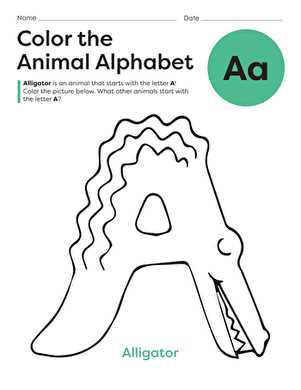
Choose thick A4 or US Letter paper (200–250 gsm) and prepare full-page symbol cards paired with clear creature drawings so children can see shape–sound connections without visual clutter.
Designing Clear A–Z Symbol Sheets for Classroom and Home Use
Use a sans-serif typeface such as Arial or Helvetica with a minimum height of 7–9 cm per character so forms remain readable from a distance. Place one large symbol at the center and one detailed illustration below it. Avoid decorative fonts that distort recognition.
- Color coding: assign one background color for vowels and another for consonants to support quick visual grouping.
- Image style: select realistic yet friendly illustrations; avoid abstract cartoons that hide defining features.
- White space: leave margins of at least 1.5 cm to prevent overload.
- Consistency: keep layout identical across all 26 cards to build pattern memory.
Save files as high-resolution PDF (300 dpi) and run them through a copier for durable paper copies. Laminate or use plastic sleeves for repeated handling.
Practical Activities Using Creature-Themed A–Z Cards
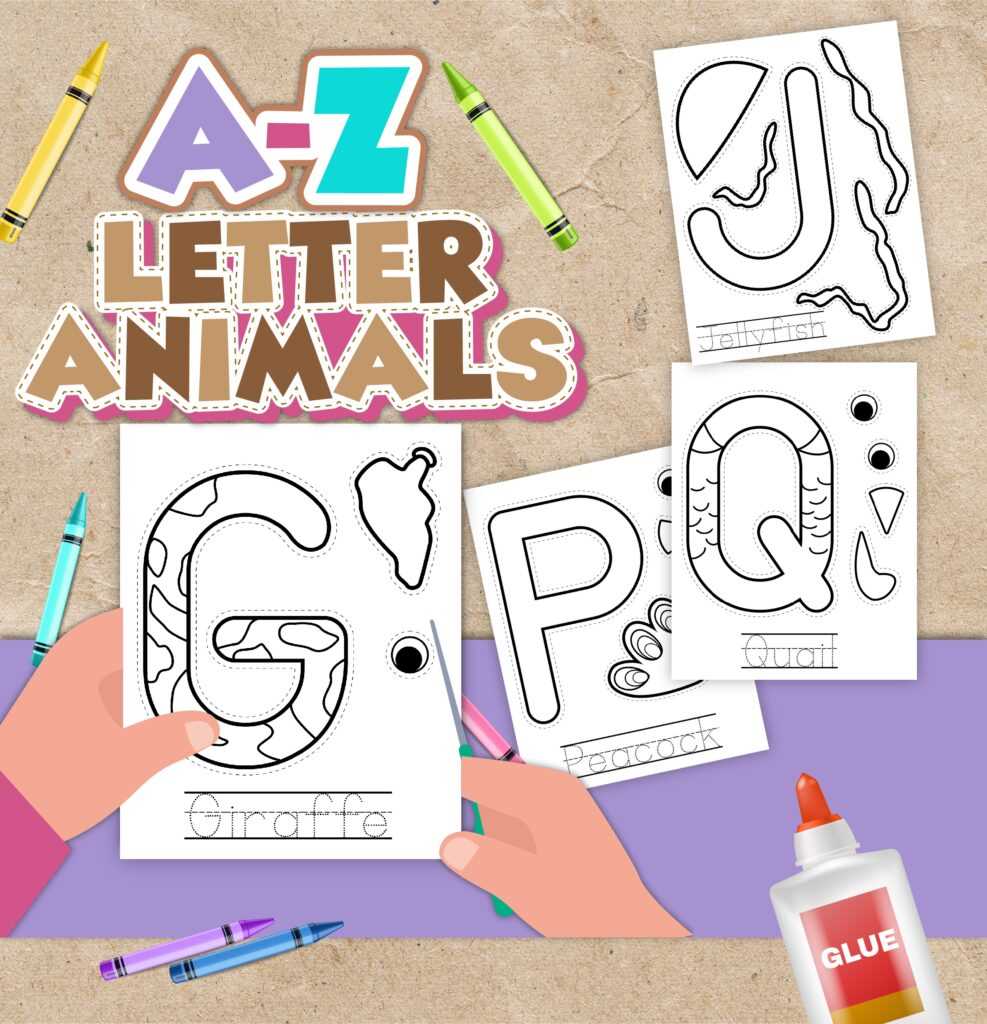
Introduce only 3–4 symbols per session. Lay cards on a table or floor and guide learners through short recognition tasks lasting 5–7 minutes.
Sound Matching
- Say a sound aloud.
- Ask the child to tap the matching card.
- Repeat with varied order to avoid memorizing position.
Movement Integration
- Place cards around the room.
- Call out a sound; learners walk to the correct image.
- Add actions linked to the depicted creature to reinforce recall.
Trace and Say Practice
Add reusable transparent overlays. Children trace the symbol with a dry-erase marker while pronouncing the sound, combining visual, motor, and auditory input.
Store cards in labeled envelopes grouped by learning stage (A–F, G–L, etc.) to maintain order and allow gradual expansion of the set.
A–Z Character Cards with Creature Images for Preschool and Kindergarten Lessons
Prepare sturdy paper cards sized around 13 × 18 cm so small hands can hold them easily while still seeing each symbol clearly from a distance of 1–2 meters.
Place one large uppercase form and one lowercase form at the top of each card, with a realistic creature picture below; keep backgrounds plain white to avoid distraction and limit each sheet to a single concept so recognition stays direct.
Introduce four to five symbols per week, repeating them daily through short sessions lasting no longer than eight minutes; rapid rotation maintains attention and prevents fatigue during early literacy exposure.
Use tactile reinforcement by letting children trace shapes with their finger before saying the sound aloud, then match the card to a related toy figure or classroom object to connect visual recognition with physical experience.
Organize review games such as floor sorting, where learners group cards by beginning sound or by habitat category shown in the illustration, building memory through classification rather than memorization alone.
Store sets in labeled envelopes and revisit earlier groups every ten days, mixing familiar and new material so recall strengthens gradually while teachers can observe which shapes still require guided practice.