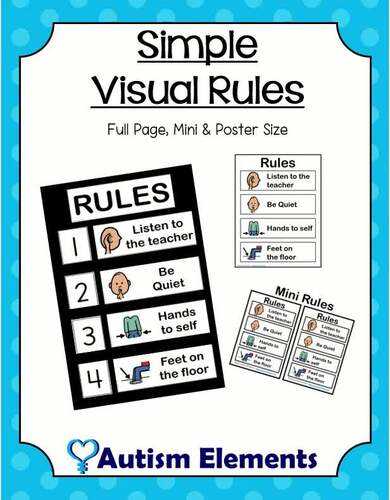
Start by using visual guides that clearly display expectations in your space. Opt for layouts that include both text and illustrations to help students understand the desired actions. These can easily be customized for any age group, ensuring they resonate with your students’ learning styles. Clear and concise statements work best–avoid overcrowding the page with too much information.
Make sure to highlight key behaviors in a way that stands out. Bold letters or symbols can draw attention to what matters most. Consider designing posters with large fonts and straightforward phrases like “Respect Others” or “Raise Your Hand.” These prompts can be designed in different formats depending on your classroom’s needs, whether printed on paper, laminated for durability, or displayed digitally on a projector.
Incorporating these visual aids into daily routines will help students internalize expectations. Position these guides near their desks or in common areas to reinforce good practices. Displaying expectations prominently, while keeping the overall aesthetic simple and neat, creates a learning environment where students know what is expected of them without feeling overwhelmed.
Organizing Student Behavior with Custom Visual Aids
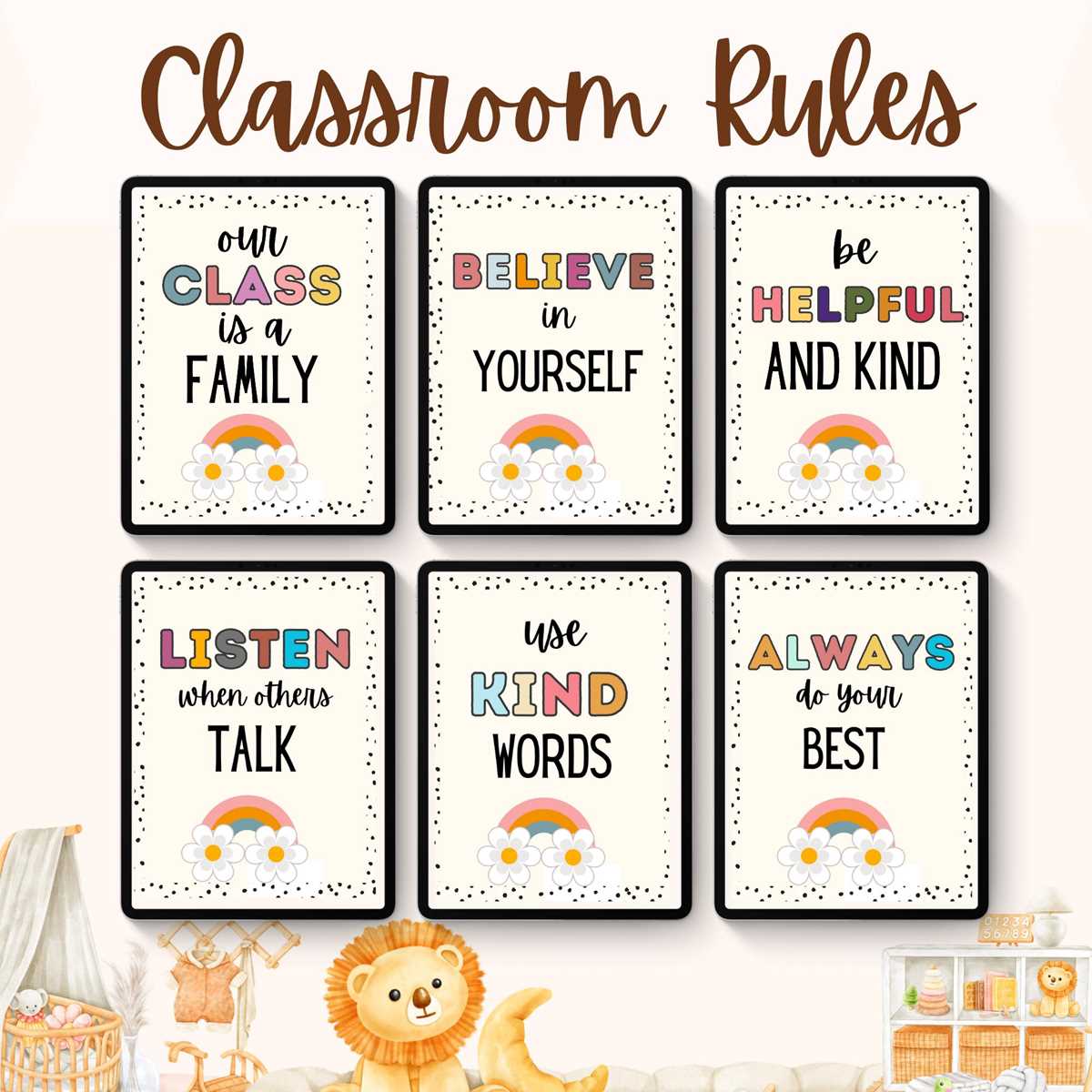
Design simple visual aids to clarify expectations for students. Keep the text minimal and the design engaging, using large, legible fonts. Include visual symbols, such as a hand for “raise your hand” or a smiling face for “respect others,” to create associations students can easily understand.
When creating these materials, consider the age of your students. Younger children benefit from more colorful, playful designs, while older students may appreciate more straightforward, professional layouts. Tailoring the design helps increase student engagement and retention.
Position the materials in high-visibility areas. Whether on a bulletin board, near the classroom entrance, or at each student’s desk, placing these guidelines where students can easily see them reinforces behavior expectations throughout the day.
For lasting durability, laminate or print the visuals on sturdy paper. This ensures that they withstand the wear and tear of daily use and can be reused year after year. If space is limited, consider digital displays or slideshows on a screen to reinforce the same messages.
Interactive elements, such as checklists or goal-setting prompts, can make these materials more engaging. Students can check off items as they follow the expectations, adding an element of personal responsibility and motivation.
Using the same format across all your visuals helps students recognize patterns and internalize expectations. Stick to a consistent style and layout for every sign, poster, or handout to avoid confusion and promote a unified learning environment.
Lastly, keep the tone positive and constructive. Rather than focusing on what students shouldn’t do, phrase each guideline in terms of what they should be doing. This shifts the focus from negative actions to positive behaviors, helping students stay motivated to meet expectations.
How to Create Custom Templates for Student Behavior Expectations
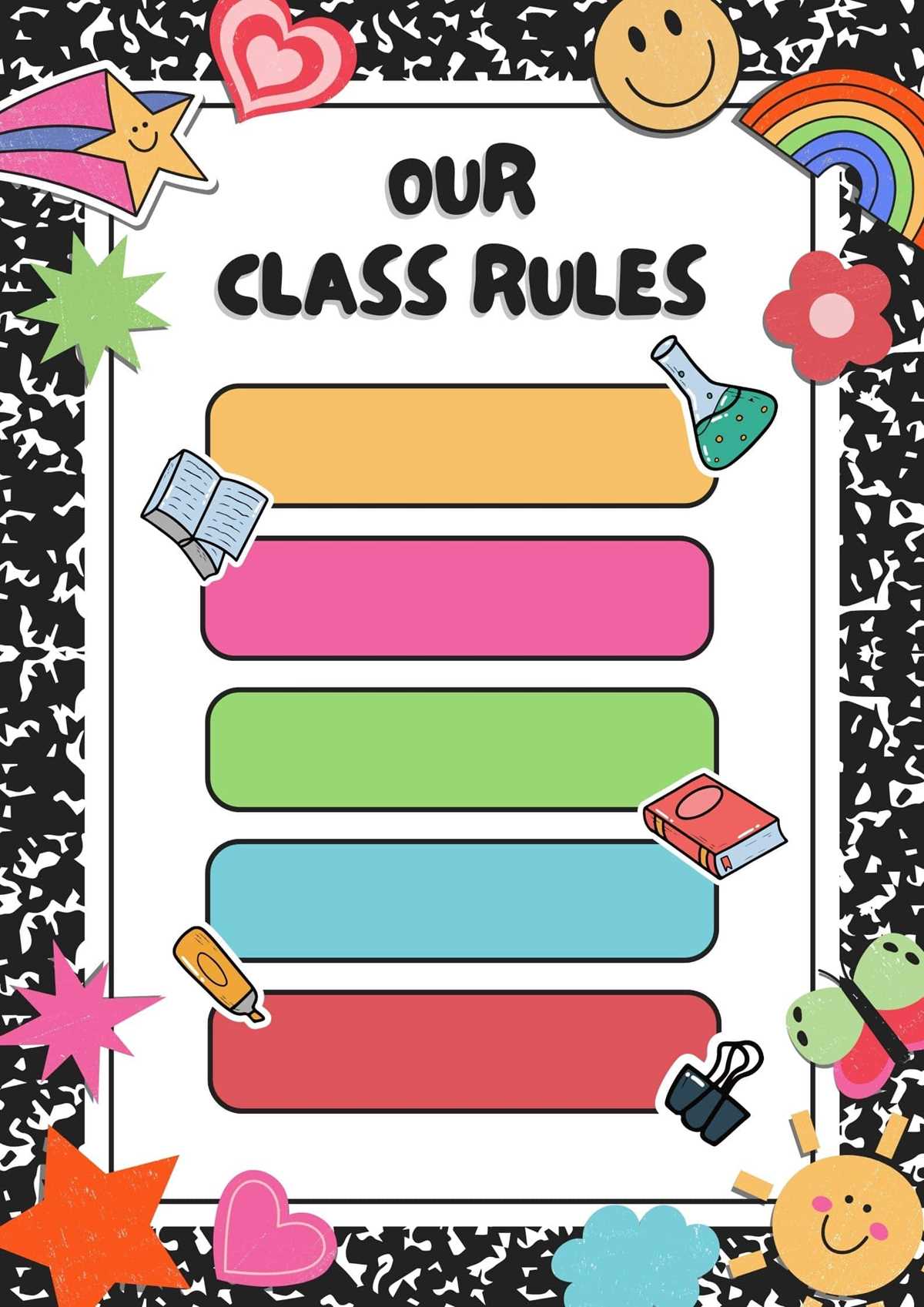
Start by determining the specific behaviors you want to highlight. Focus on key actions such as “listen to others,” “raise your hand,” or “complete your work.” Keep the language simple and clear to ensure all students understand what is expected of them. Use short phrases that are easy to remember.
Next, choose a format that works best for your space. For example, if you have limited wall space, opt for smaller signs that can be hung near desks or on a corkboard. Alternatively, a large poster that includes all expectations can serve as a central reference point in the room. Select the layout that will be most visible and accessible to your students.
Use design tools like Canva or Google Docs to easily create visually appealing templates. These platforms allow you to incorporate images, icons, and colors to reinforce each expectation. For example, use a pencil icon next to the “complete assignments” reminder or a hand symbol to represent “raise your hand.”
Once your design is finalized, print the templates and laminate them for durability. Lamination protects them from wear and tear while allowing you to reuse them throughout the school year. If you’re creating digital versions, you can display the templates on your projector or classroom screen to reinforce the message regularly.