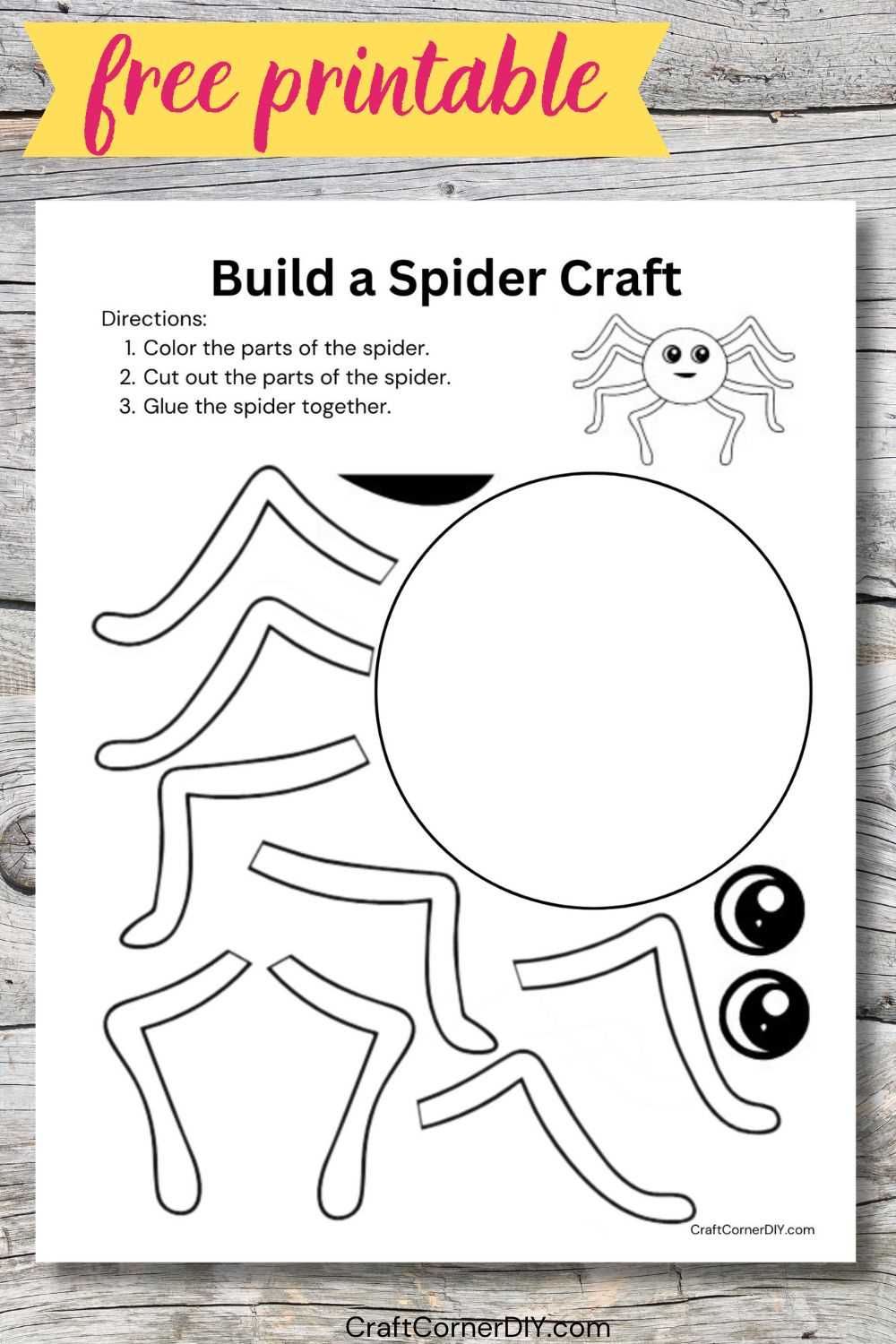
Start your project with a quick, hands-on visual structure using a dynamic grid system. Whether you’re laying out tasks, brainstorming ideas, or organizing data, these versatile charts can be adjusted to suit a variety of needs. Tailor each section to represent different categories, topics, or priorities with ease.
These charts can be printed in any size to fit your space or specific requirements. Quickly draw connections between different segments, allowing for a clear representation of relationships, actions, or steps. The design is perfect for both personal and professional use, enabling a more streamlined approach to tracking and managing information.
For optimal results, consider creating your own variations by adjusting the spacing, labels, or formatting of each element. The flexibility of this design ensures it can be customized for anything from project management to creative thinking. Having a printed version right at your fingertips allows you to work without distractions and move seamlessly between tasks and goals.
HTML
Practical Guide for Creating a Diagram Layout

To create a useful structure, begin by selecting a shape with clear sections, such as a circle or hexagon. Divide the shape into smaller equal parts to organize information clearly. Each section can represent a different concept, linked to the center for clarity. Ensure the sections are evenly distributed for balance and readability.
When outlining connections, use lines extending from the center to each subdivision. These lines serve as pathways for the main ideas. Keep them straight and consistent in thickness to maintain visual harmony. Adjust the line lengths as needed to prevent overlap or clutter in the layout.
Keep text concise in each section. Include only key words or phrases that represent the topic. Use simple language to make the structure easy to follow. Avoid placing too much information in one section to prevent confusion. Prioritize clarity over detail.
Use color contrasts to differentiate between different sections or ideas. Light tones for background areas paired with dark text improve readability. Make sure that the design remains legible when printed on standard paper sizes. If needed, use bold for section titles to further guide the reader’s attention.
If creating a larger diagram, adjust the scale of the sections accordingly. Ensure the outer sections are large enough for additional ideas, while keeping the central area intact. This allows for future growth in the design without overwhelming the viewer.
For digital versions, software tools like Microsoft Word or Google Slides can be helpful for building the layout. Choose grid settings to ensure even spacing of the sections. Save the layout as a high-quality image or PDF file for easy printing.
Finally, review the diagram with sample content to ensure it works for your needs. Make adjustments for readability, spacing, and balance. This will help refine the design and ensure that it communicates the intended information effectively.
HTML
How to Create a Customizable Spider Template for Your Project
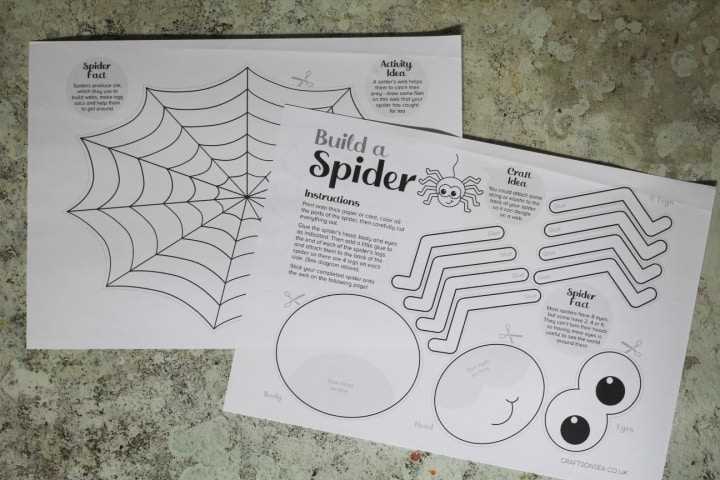
Begin with designing the core structure. Focus on creating distinct points where branches can originate, ensuring that each can be easily modified to suit specific needs. Use geometric shapes like circles or squares for the nodes, and define lines or arcs as connectors. These elements should be versatile enough to accommodate adjustments, such as adding or removing sections without disrupting the overall balance.
For flexibility, implement layers. Start with a central node and allow secondary nodes to branch outward. The design should have enough room to add labels, shapes, or color-coded sections. Ensure that the distance between each connecting point remains consistent for visual clarity. This will make it easier to adapt the design later, whether for more complexity or simplification.
Choose a scalable format for the layout. Vector-based graphics work best since they maintain clarity regardless of size adjustments. This ensures the final design can be used across various mediums, from small flyers to large presentations, without losing sharpness. Design software that supports vectors, like Adobe Illustrator or Inkscape, is ideal for this purpose.
To customize the layout later, make each component modular. For example, rather than hardcoding fixed positions, use guidelines or templates for alignment. Allow for easy resizing of the central node and the surrounding points. This will help in making future alterations quick and precise.
Finally, ensure that the design remains intuitive for any user. The format should allow for quick alterations, whether it’s changing the color, adjusting the size of the nodes, or adding additional points. The more adaptable the structure, the easier it will be to integrate into different projects with varying requirements.