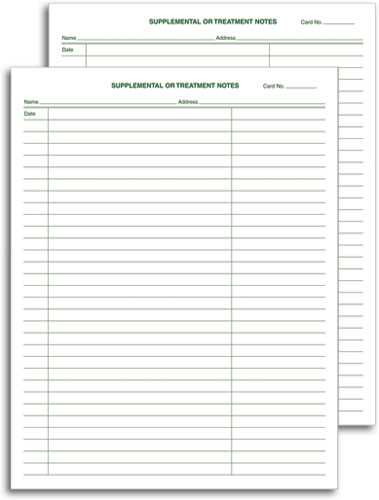
Use a paper-ready record form that standardizes patient data entry, procedure tracking, and consent confirmation across every appointment. A well-structured layout reduces omissions by guiding the practitioner through examination findings, performed procedures, anesthesia details, materials used, and post-visit instructions within a single page.
Prioritize a layout that allocates fixed space for medical history updates, diagnostic codes, and treatment outcomes. Clear section boundaries allow fast handwriting without crowding, while predefined checkboxes speed up routine entries such as pain level, soft tissue condition, and radiographic review.
Include a dedicated block for legal verification: date, provider signature, and patient acknowledgment. Practices that integrate this element report fewer documentation disputes and faster internal audits. Margins wide enough for annotations support follow-up remarks during future visits.
Choose formats designed for standard A4 or Letter paper, with high-contrast typography that remains readable after copying or scanning. Consistency in record structure simplifies staff training and supports accurate longitudinal tracking of oral health status across repeated consultations.
Paper-Ready Chairside Entry Sheet
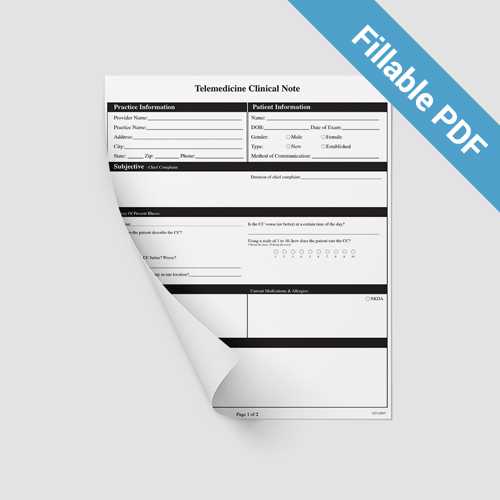
Use a single-page, paper-ready sheet with fixed sections for visit date, provider initials, procedure codes, materials used, and follow-up timing; this keeps handwriting confined to predictable zones and reduces omissions during fast-paced appointments.
Allocate a left margin of at least 18 mm for binder holes and margin notes, while keeping the main writing field no narrower than 155 mm to maintain legibility with ballpoint pens commonly stocked in practices.
Predefine checkboxes for anesthesia type, isolation method, and radiograph reference numbers; tick marks are faster than sentences and allow rapid scanning during audits.
Include a compact grid for tooth numbering or surface mapping using alphanumeric cells sized 6–7 mm; this prevents crowding and keeps symbols distinct under rushed handwriting.
Reserve a bolded line for adverse reactions and complications; placing it directly beneath procedure details ensures visibility before the next visit is scheduled.
Footer fields should capture consent confirmation, time in chair, and provider signature, with a faint rule line to discourage overflow into the margin.
Print on 90–100 gsm paper with a light gray section dividers (not black) to guide the eye without overwhelming handwritten content.
What Fields Must Be Included in a Printable Dental Clinical Notes Template for Daily Patient Visits
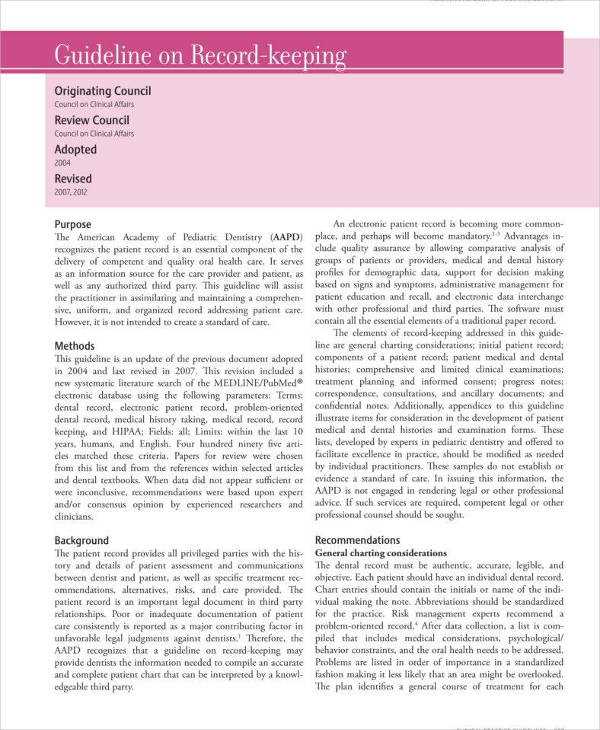
Include patient identification, medical risk screening, and visit specifics on the first line: full legal name, date of birth, chart number, contact phone, allergies, ASA classification, current medications with dosage, and the exact date and start time of the appointment. Add a checkbox section for antibiotic prophylaxis indication and confirmation of informed consent. Record the chief complaint in the patient’s own words within quotation marks and document pain scale (0–10), onset, duration, triggers, and prior self-medication.
Document a structured examination block with separate fields for extraoral findings (lymph nodes, TMJ sounds, range of motion in mm) and intraoral assessment (soft tissue description, periodontal status with pocket depths, bleeding on probing percentage, mobility grade I–III, furcation involvement). Provide a tooth-by-tooth grid referencing FDI or Universal numbering to capture caries detection method (visual, bitewing, transillumination), existing restorations, fractures, wear facets, and occlusal classification. Add radiographic data: type of image, date taken, exposure parameters, and diagnostic interpretation.
Reserve a dedicated diagnosis and treatment coding section. List primary and secondary diagnoses with ICD codes, then planned and completed procedures with CDT codes, tooth number, surfaces involved, anesthesia type, anesthetic agent, concentration (e.g., 2% lidocaine with 1:100,000 epinephrine), volume administered in mL, and lot number. Include isolation method (rubber dam, cotton rolls), materials used (composite brand/shade, cement type), batch numbers when applicable, and procedural steps if complications occurred. Add a checkbox for postoperative radiograph when required.
Record anesthesia response, intraoperative events, and pain control measures in measurable terms: pre- and post-procedure blood pressure, pulse, oxygen saturation, and any adverse reactions. Provide space for estimated blood loss (if surgical), sutures type and count, and hemostasis technique. If prescribing medication, specify drug name, strength, quantity, dosing schedule, refills, and documented patient instructions. Add a mandatory field confirming verbal and written postoperative guidance was provided.
Conclude with follow-up planning and legal authentication. Capture next appointment type, recommended interval (e.g., 6-month recall or 2-week review), pending lab work, and referrals with specialist name and contact. Include clinician signature, printed name, license number, and time of entry. Provide a co-signature line for supervising dentist when required and a late-entry justification field if documentation occurs after the visit date.