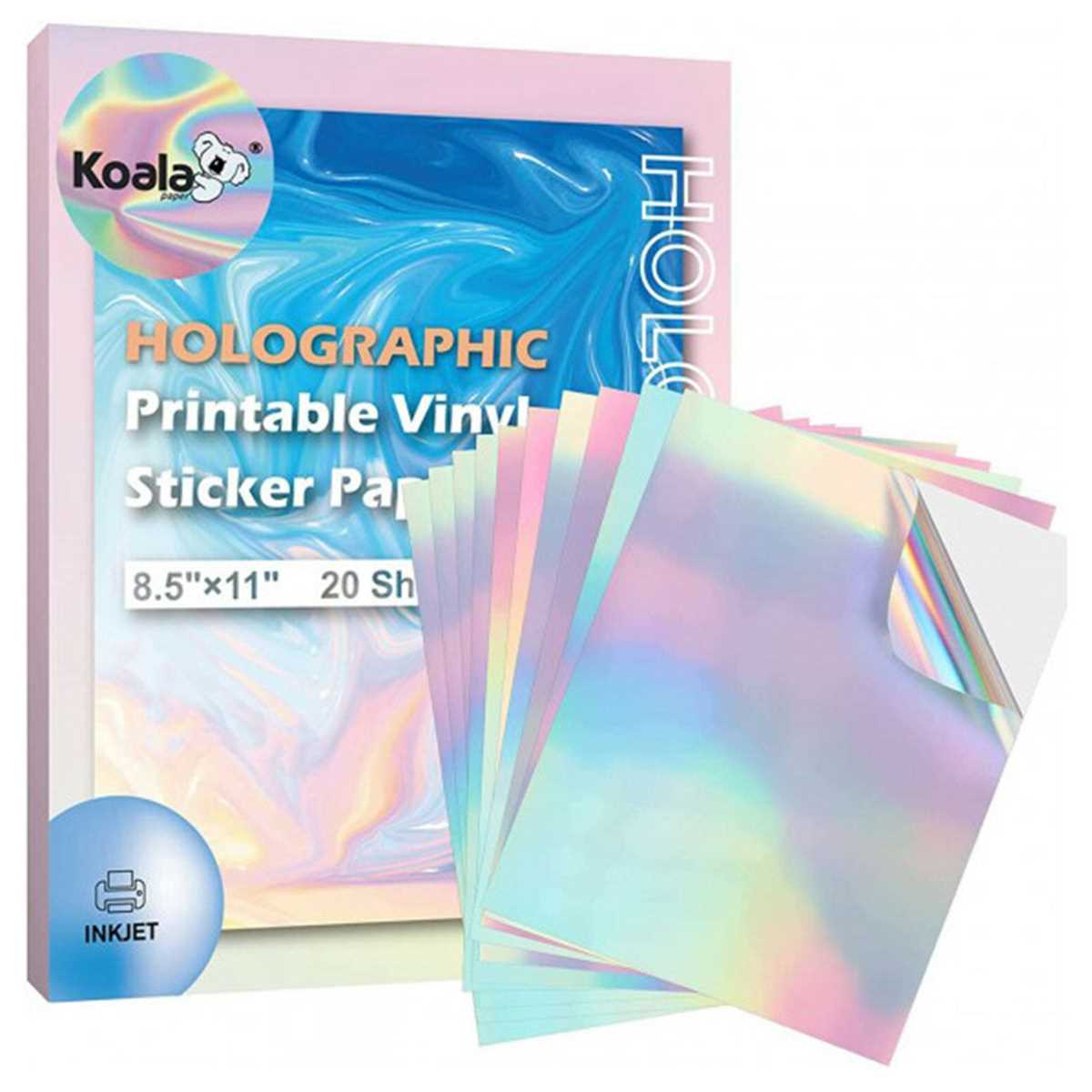
For high-quality custom designs that require durability and flexibility, selecting the proper adhesive sheet material is key. These versatile surfaces offer excellent printability for a wide range of applications, from signage to personal crafts. The primary factor in making the right choice lies in the surface compatibility with your printer type, whether inkjet or laser, and the intended use of the finished product.
Consider your project’s durability needs. If you’re printing for outdoor use or areas subject to frequent wear, opt for materials that are resistant to moisture, UV exposure, and temperature changes. For example, certain adhesives are designed to withstand environmental elements, ensuring your prints remain intact longer than standard options.
Look for compatibility with your printer. Some adhesive sheets are optimized for specific printer technologies, with inkjet varieties absorbing ink more efficiently, while laser-compatible sheets often provide sharper details and faster drying times. Check the manufacturer’s recommendations to ensure you’re using the best option for your device and project goals.
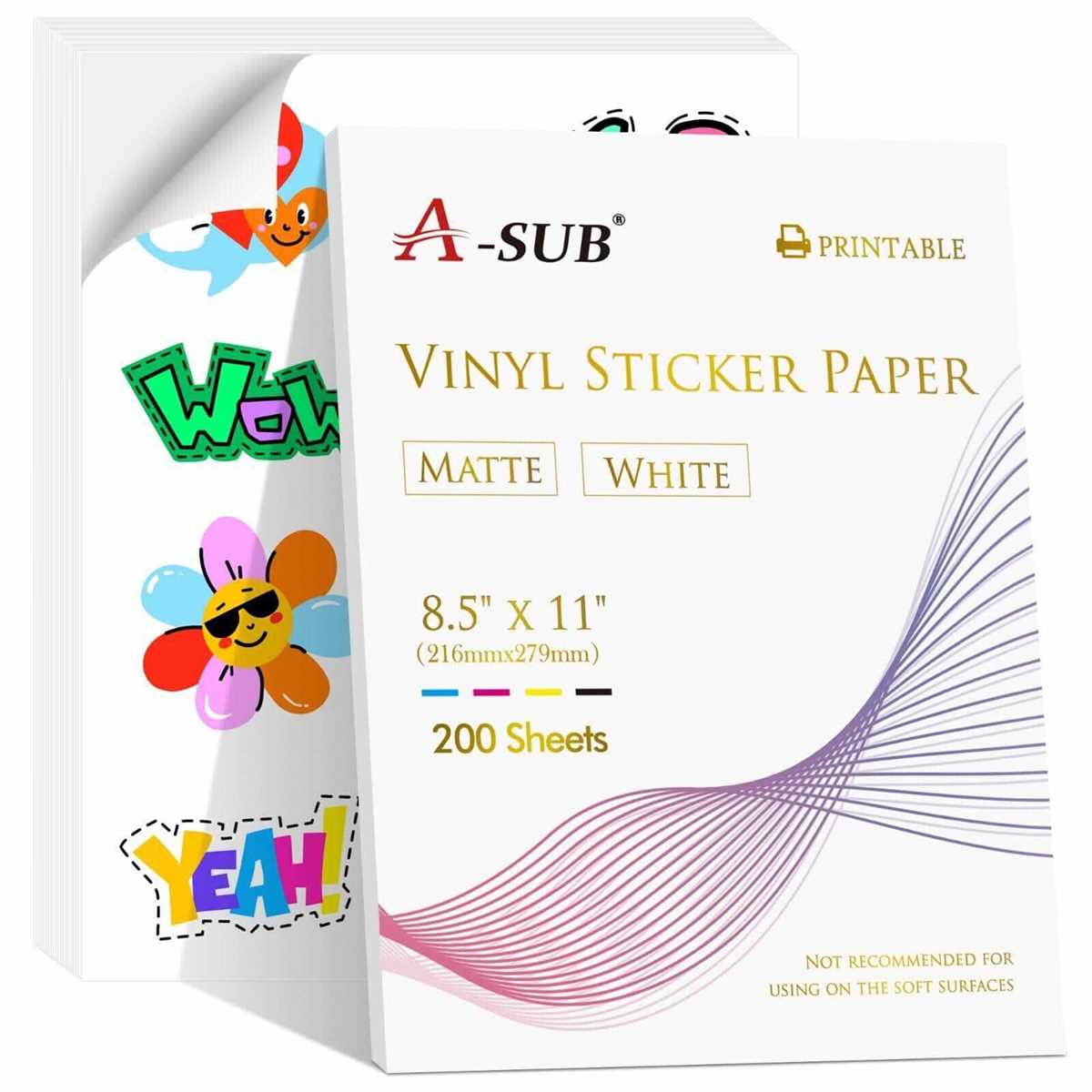
Pay attention to the thickness and flexibility of the adhesive surface. Thicker materials are more robust, making them ideal for labels and decals, while thinner ones are more suitable for intricate designs and wrapping. Balancing ease of use with print quality is essential to achieving the best result.
HTML
Choosing the Right Material for Custom Stickers and Decals
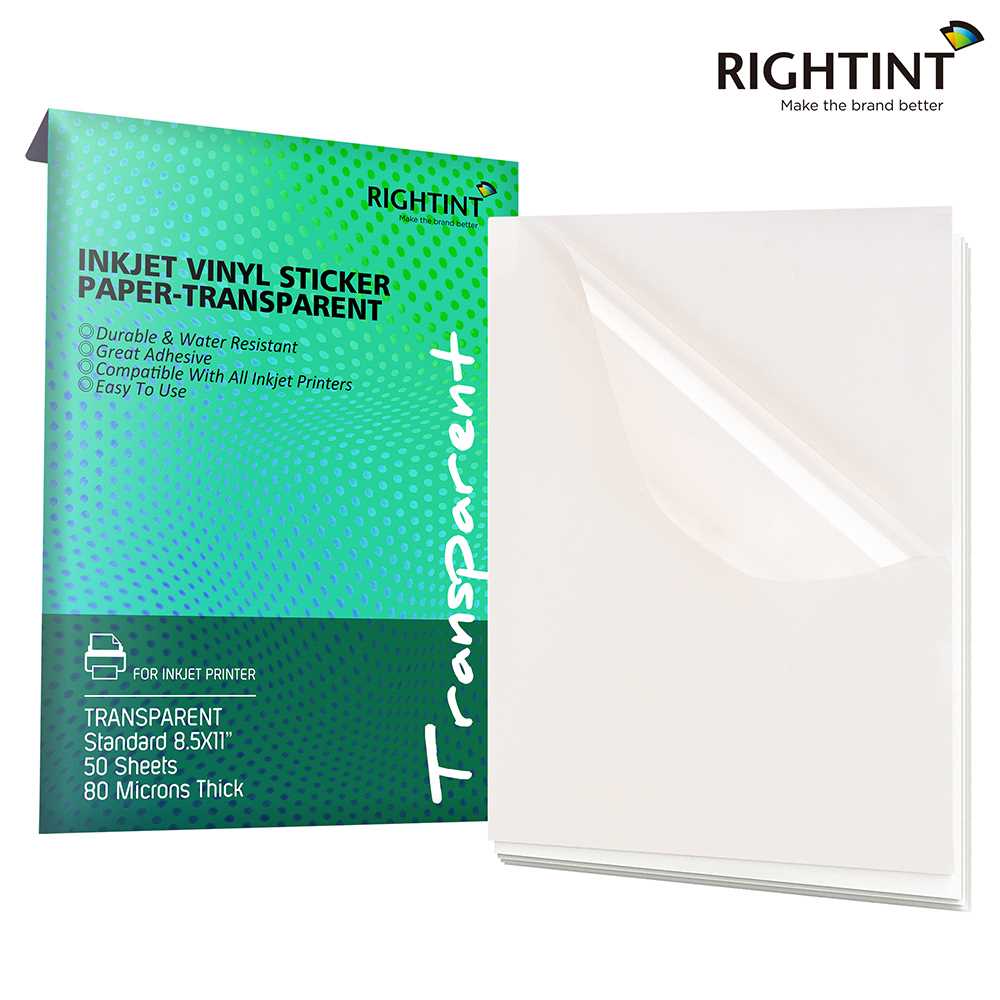
For custom sticker and decal projects, it’s essential to use the right surface material. Opt for a synthetic sheet designed for direct printing, which guarantees durability and a high-quality finish. Whether you’re making logos or labels, this type of substrate can handle both inkjet and laser printing, offering versatility in production.
The material should have an adhesive backing that allows it to stick firmly to various surfaces without peeling off over time. A smooth, glossy surface is ideal for crisp, sharp prints, especially for designs with intricate details or vibrant colors. A matte version can be chosen for a more understated look, providing a sophisticated touch to any custom work.
Weather resistance is another critical factor. If the stickers are intended for outdoor use or exposure to moisture, ensure the chosen material has a waterproof coating. This feature ensures that printed designs won’t fade or lose their quality when exposed to sun or rain, making them perfect for bumper stickers or outdoor signage.
The thickness of the material also plays a role in durability. A thicker sheet provides added strength, making it more resistant to tearing and damage. It’s advisable to select a 3mil to 6mil thickness for products that need extra sturdiness while remaining easy to cut or shape.
For high-traffic areas, using a scratch-resistant top layer can further enhance the lifespan of the decals. Consider materials with UV protection to prevent ink from fading under direct sunlight. If the decals are meant for items like laptops or phones, look for products with strong adhesive properties to ensure they stay securely attached without leaving residue behind when removed.
The flexibility of the material is crucial when working on curved or textured surfaces. Choose an option that conforms well to such surfaces, providing a seamless application without creases. It’s also worth testing the flexibility of the material on different objects before committing to large-scale production.
Cutting precision is key. Many adhesives come with backing paper that can be peeled away, allowing for precise, clean cuts. This feature is particularly useful when creating complex designs or shapes, giving you the freedom to experiment with various cutting methods, from manual scissors to plotter cutters.
Finally, consider the environmental impact. Look for eco-friendly options that use non-toxic materials and can be recycled or disposed of without harm to the environment. Many suppliers offer sustainable alternatives that combine high performance with responsible sourcing, making them ideal for eco-conscious consumers and businesses alike.
HTML
Choosing the Right Printable Vinyl Paper for Your Printer
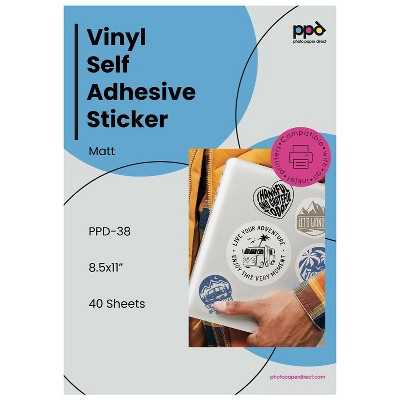
Selecting the correct medium for your print projects begins with matching it to the printer you’re using. Make sure the material is compatible with both the printer type and the ink used. For inkjet printers, look for a product designed specifically for ink absorption, while laser-compatible options will require heat-resistant material to prevent melting.
Understanding the finish is key. Glossy finishes are ideal for vibrant colors and sharp details, while matte finishes offer a more subdued look with reduced glare. If you’re working with dark backgrounds or need higher durability, matte options may also provide better longevity.
Another important aspect is thickness. Heavier materials tend to last longer and provide more durability, but ensure your printer can handle thicker substrates. Thin options may be easier to handle but could tear or fade faster under stress or outdoor conditions.
Consider the adhesive strength required for your project. If you’re applying the material to a smooth surface and want it to stay in place long-term, opt for stronger adhesive-backed media. For temporary applications, look for peel-and-stick options that are easier to remove without leaving residue.
- High-tack adhesive: Best for long-term, high-durability applications like outdoor signage.
- Low-tack adhesive: Ideal for short-term projects or repositionable use, such as temporary decals.
If the material will be exposed to the elements, ensure that it is UV-resistant. UV-resistant types prevent fading and cracking caused by sun exposure, making them perfect for outdoor graphics or window decals.
Check the material’s ability to handle high-resolution printing. Some substrates may cause ink to bleed or not retain crisp details, especially with fine lines or intricate designs. A high-quality coating will ensure your prints come out with the sharpness and clarity needed for professional results.
Finally, always test a sample before committing to large print runs. This allows you to assess the interaction between your printer and the material and confirm color accuracy, adhesion, and overall quality.