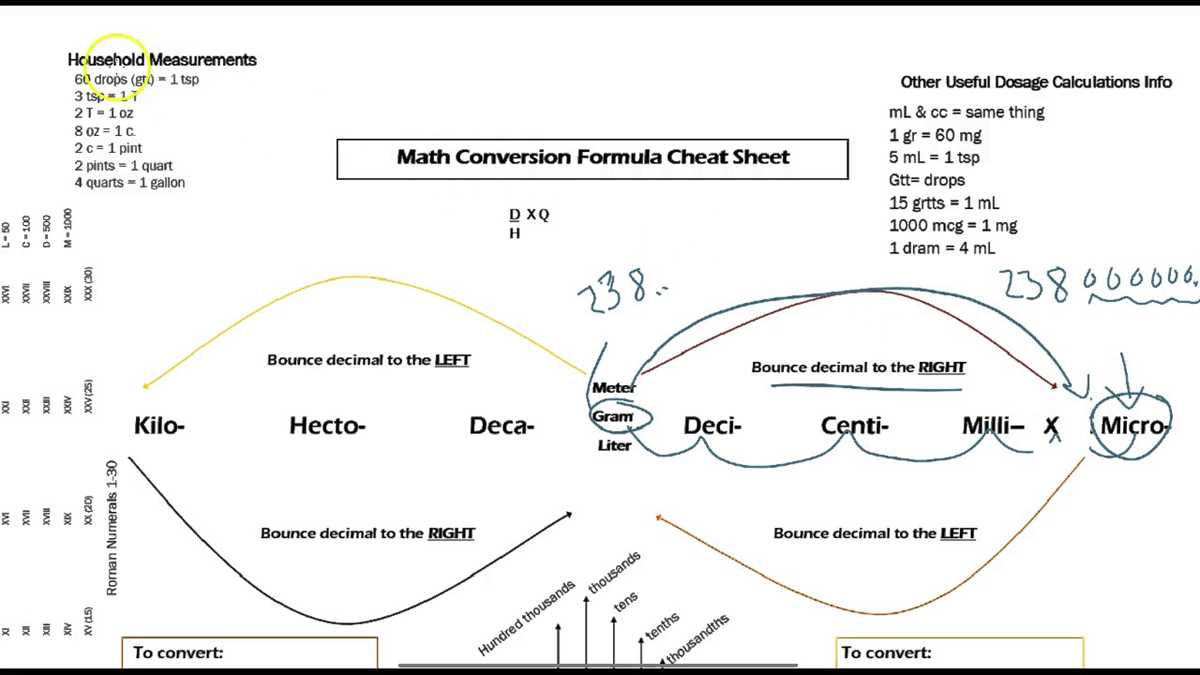
Keep a hard-copy unit reference at the bedside and place it near medication prep areas; this cuts delays during dose checks, IV rate setup, and fluid balance reviews. A single-page table that lists mg↔mcg, mL↔L, kg↔lb, and drop factors (10, 15, 20, 60 gtt/mL) supports quick cross-checks without reaching for a device.
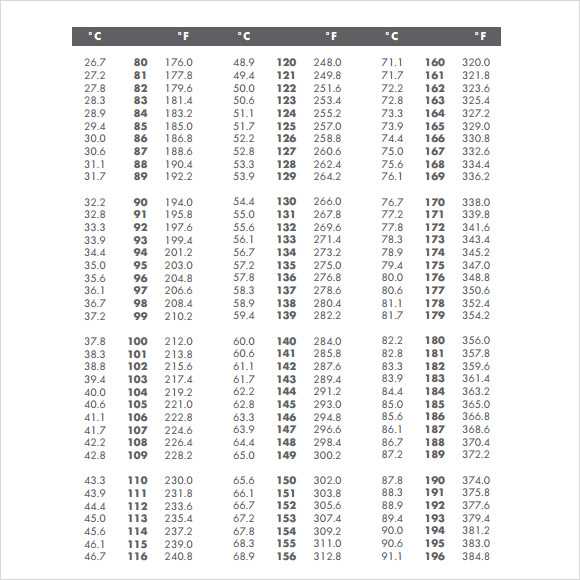
Design the reference sheet with clear grouping by task: medication dosing, infusion rates, weight-based values, and intake/output. Use bold headers, wide spacing, and aligned decimals to reduce reading errors. Include common clinical ratios such as 1 tsp = 5 mL, 1 tbsp = 15 mL, and 1 oz = 30 mL, alongside metric pairs used on labels.
For medication safety, add dose-per-weight examples using standard ranges (e.g., mg/kg) and show both the formula and a worked sample. Pair this with insulin units, heparin units, and electrolyte equivalents that staff encounter daily, presented in a consistent grid so scanning stays fast during peak workload.
Choose durable paper and a size that fits pockets or clipboards. Lamination helps with spill resistance, while grayscale printing keeps text sharp under varied lighting. Review entries against local protocols and formularies, then date the sheet to signal the latest revision.
Quick-Reference Measurement Table for Clinical Practice
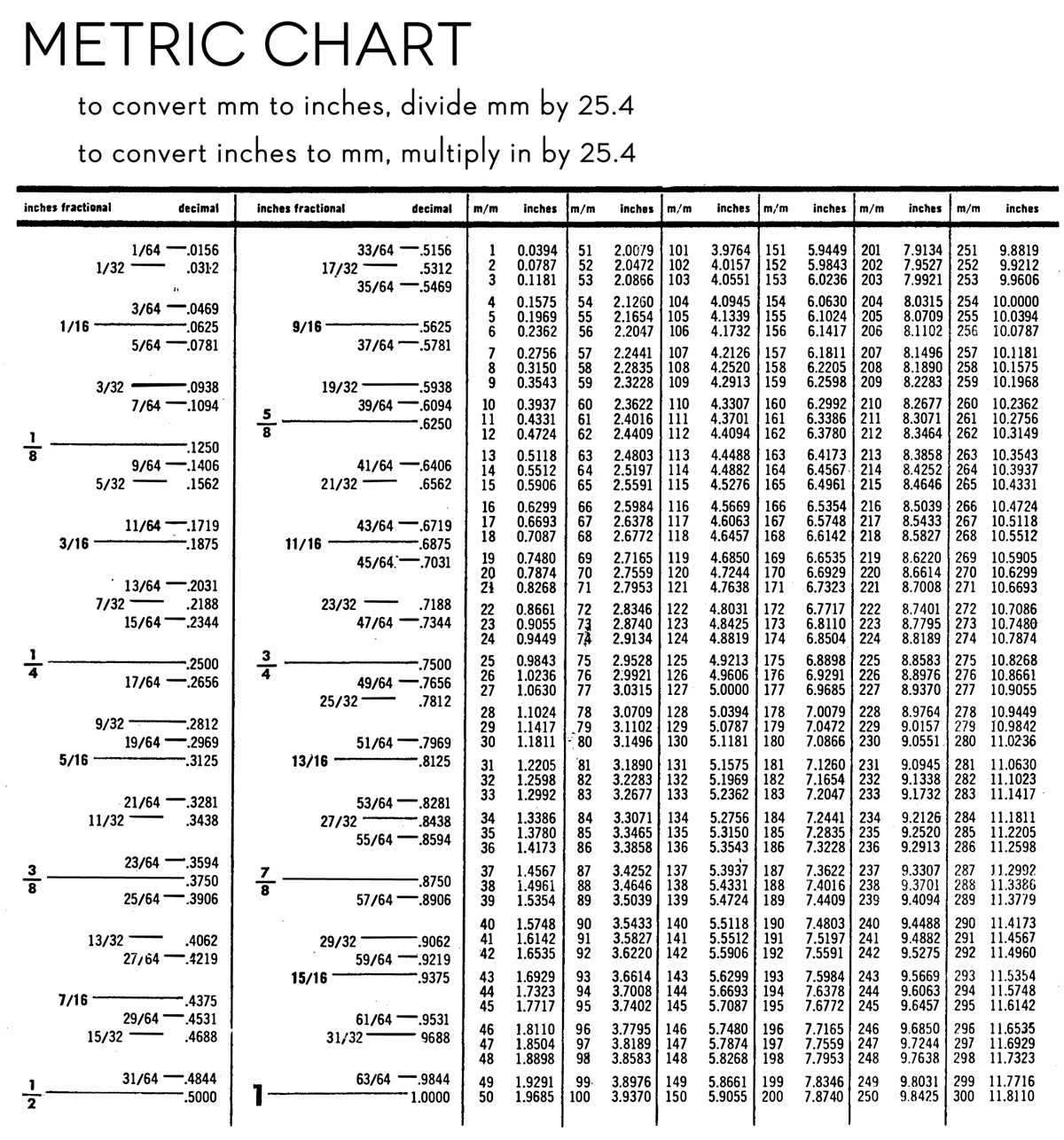
Keep a laminated A4 sheet with the most frequently used medication and fluid calculations at every medication cart and bedside workstation. Include metric-to-imperial equivalents (1 kg = 2.2 lb; 1 inch = 2.54 cm), temperature formulas (°F = °C × 9/5 + 32; °C = (°F − 32) × 5/9), and common volume relations (1 L = 1000 mL; 1 oz = 30 mL). Position the sheet at eye level to reduce transcription errors during dose preparation.
List weight-based dosage formulas clearly: Dose (mg) = prescribed mg/kg × patient weight (kg). For example, for a 12 kg child ordered 15 mg/kg acetaminophen: 15 × 12 = 180 mg per dose. Add infusion rate calculations: mL/hr = total volume (mL) ÷ hours of infusion. For gravity IV sets, include drop factor guidance: gtt/min = (mL × drop factor) ÷ minutes. Standard drop factors: macrodrip 10, 15, or 20 gtt/mL; microdrip 60 gtt/mL.
Provide insulin and heparin dosing references with unit-to-mL guidance based on vial concentration. Example: U-100 insulin contains 100 units per 1 mL; therefore 25 units = 0.25 mL. For heparin 25,000 units in 500 mL D5W, concentration equals 50 units/mL. If ordered at 900 units/hr, set pump to 18 mL/hr. Display high-alert medication ranges in bold with double-check reminders.
Add electrolyte and laboratory value comparisons using standard SI units and conventional units. Potassium: 3.5–5.0 mmol/L; Sodium: 135–145 mmol/L; Glucose: 70–110 mg/dL (3.9–6.1 mmol/L). Include hemoglobin (female 12–16 g/dL; male 13.5–17.5 g/dL) and creatinine (0.6–1.3 mg/dL). Place abnormal thresholds in a shaded column to support rapid assessment during shift rounds.
Incorporate pediatric and adult body surface area (BSA) calculation: BSA (m²) = √[(height cm × weight kg) ÷ 3600]. For a patient 170 cm and 70 kg: √[(170 × 70) ÷ 3600] ≈ 1.8 m². Include body mass index: BMI = kg ÷ m²; overweight ≥25, obesity ≥30. These metrics assist with chemotherapy dosing and risk screening.
Use clear typography, minimum 12–14 pt font, waterproof paper, and color-coded sections for medications, fluids, labs, and anthropometrics. Review data quarterly against current clinical guidelines and replace worn copies immediately to maintain accuracy at the point of care.
Medication Dosage Unit Conversions for Bedside Calculations
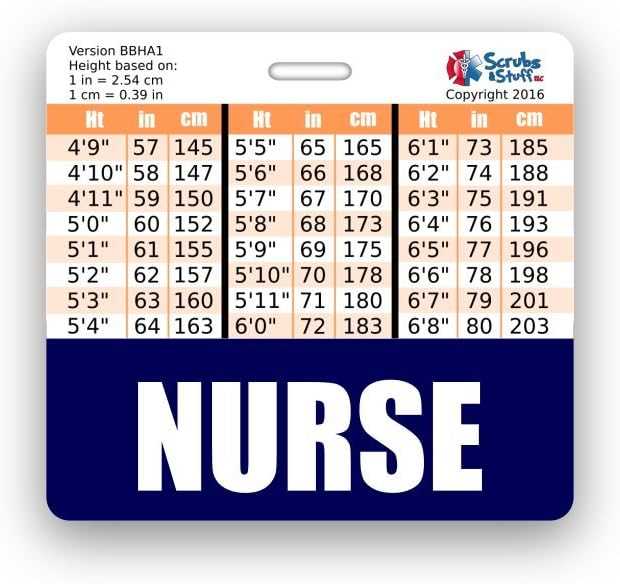
Use a single base unit for each medication before calculating a dose: grams for mass and milliliters for volume. For mass, align values as mg, g, or mcg without mixing them–1 g equals 1000 mg, and 1 mg equals 1000 mcg. A 0.25 g order must be handled as 250 mg before any math, preventing decimal drift at the bedside.
Liquid medications demand attention to concentration statements such as mg per mL. If a vial reads 40 mg/2 mL, reduce it to 20 mg/mL before drawing up the dose. A prescribed 15 mg then equals 0.75 mL. Always recompute after reconstitution; adding 8 mL diluent to a powder labeled 1 g yields 100 mg/mL, not the volume printed on the vial.
Infusions require time-based unit alignment. Convert hours to minutes when pumps display mL/min, or shift the rate to mL/hr when orders specify mg/hr with a known concentration. Example: 120 mg over 30 minutes using a solution of 4 mg/mL equals 30 mL over 0.5 hr, producing a pump rate of 60 mL/hr.
Pediatric dosing magnifies unit errors, so round only at the final step and match the syringe scale to the calculated volume. For a 7.5 kg patient ordered 10 mcg/kg, compute 75 mcg total, then align with the available strength–100 mcg/mL leads to 0.75 mL. Recheck unit shifts aloud before administration to catch mismatches early.