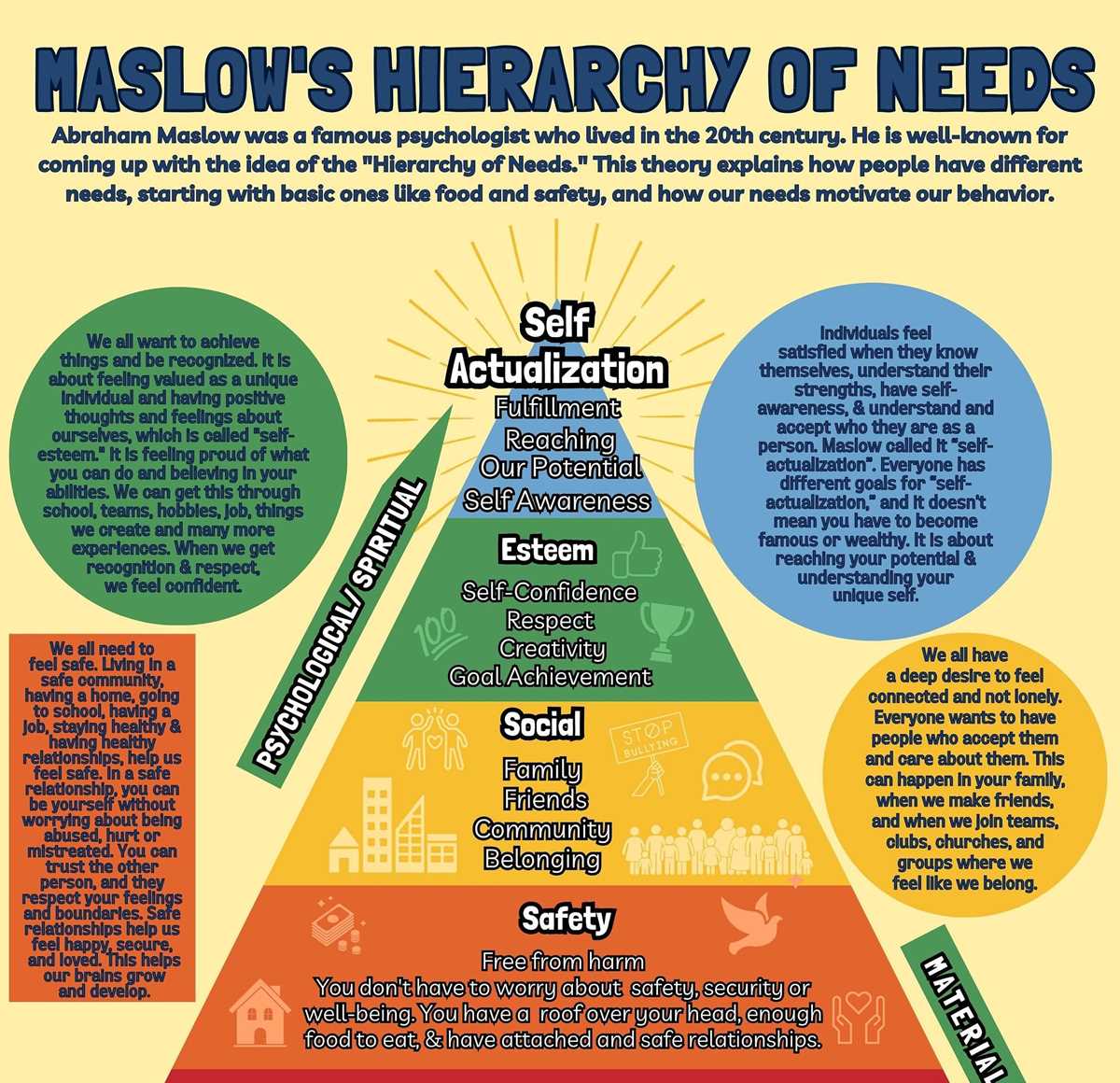
The model focusing on human motivation is divided into a structure of progressive stages, where each level represents a different category of fulfillment. Start by assessing the most foundational requirements for an individual, before progressing towards more advanced desires. This framework provides clarity on human behavior and the drive behind individual actions.
1. Basic Physical Well-Being
The foundation of any individual’s progression involves physical survival. These elements consist of access to food, water, shelter, and health. Without these, higher aspirations cannot be pursued. Ensuring these first, provides the groundwork for any further personal development.
Key components include:
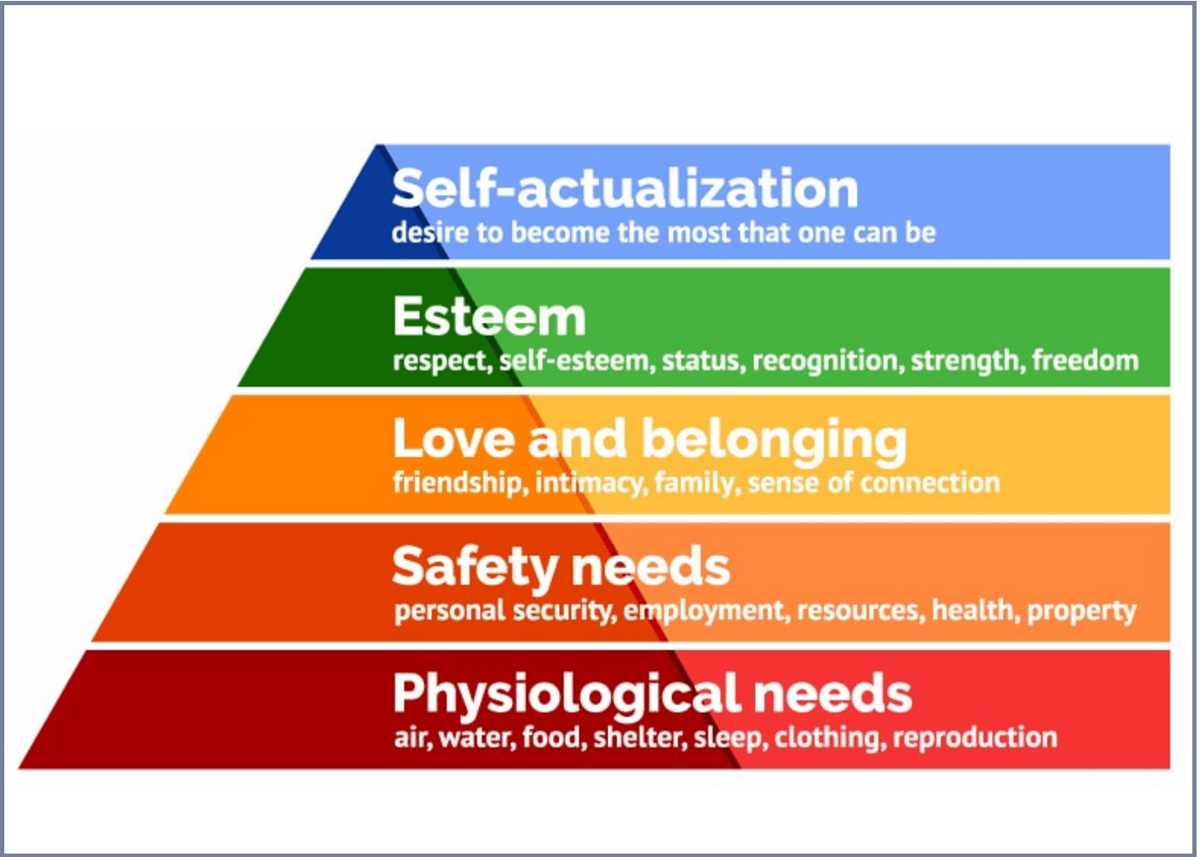
- Food and clean water for sustenance.
- Safety and shelter from the elements.
- Access to healthcare and a comfortable living environment.
2. Psychological Comfort and Safety
Once the physical elements are met, the next stage involves ensuring emotional security. Individuals need a sense of stability in their lives, from both external and internal sources. This includes having reliable relationships, financial stability, and the freedom from anxiety or fear.
Aspects to consider:
- Stable relationships, such as family and close friends.
- Job security and financial health.
- Protection from harm or any threat to well-being.
3. Social Connections and Belonging
At this level, social connections become essential. People seek meaningful relationships, friendships, and the sense of belonging in a community or group. This need is crucial for emotional health and is a driving force behind human behavior.
- Belonging to a supportive community.
- Strong personal relationships, like friendships or romantic partners.
- A shared sense of identity with peers or colleagues.
4. Recognition and Personal Esteem
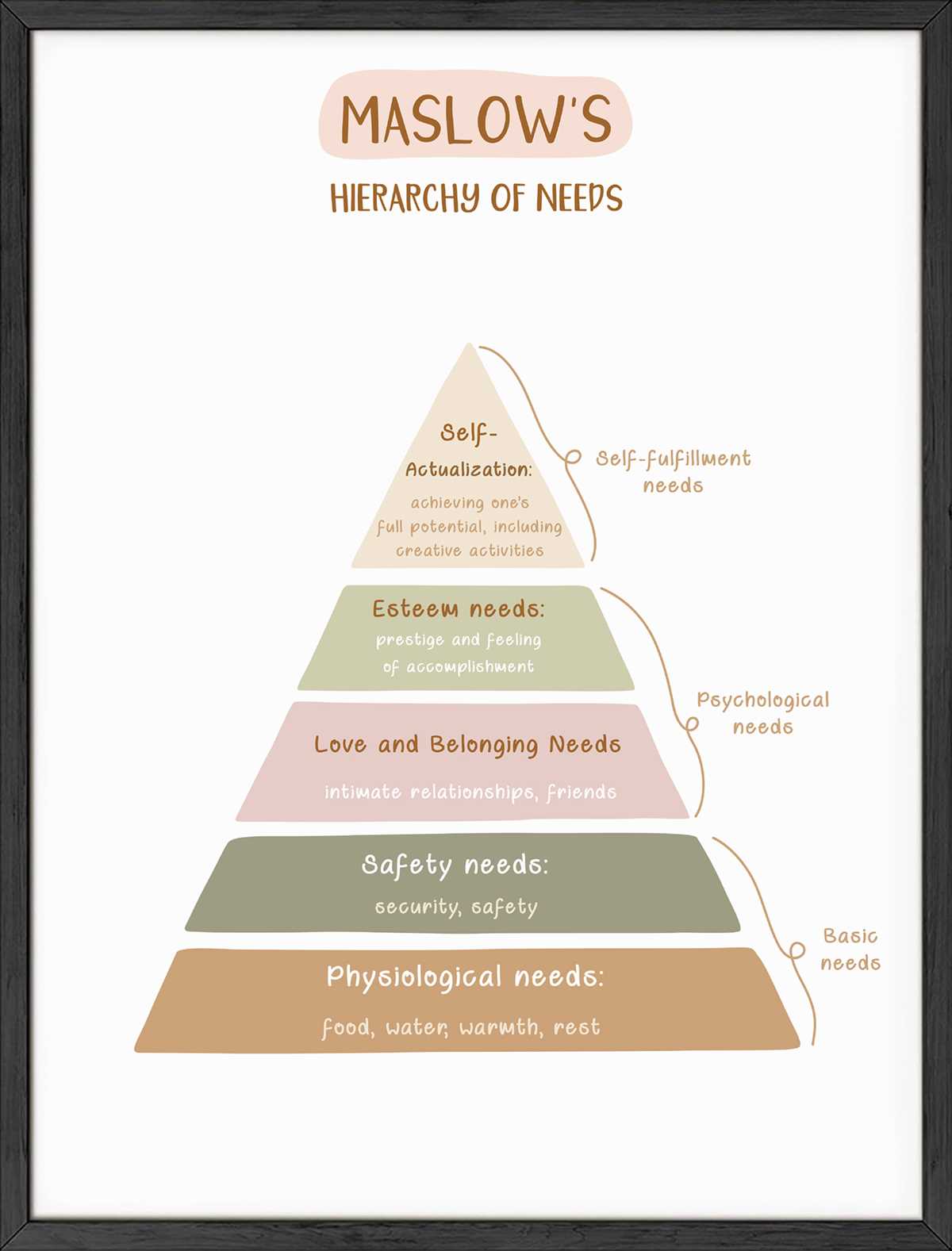
After satisfying the basic and social needs, individuals seek respect from others. This involves a need for achievement, recognition, and feeling valued by those around them. Gaining acknowledgment in the workplace, within a family, or among peers fulfills this level.
- Acknowledgment of accomplishments.
- Opportunities to display competence or mastery in a field.
- Building confidence through positive feedback from others.
5. Self-Realization and Fulfillment
At the highest level, individuals strive for personal growth and fulfillment. This is the stage where one seeks to realize their potential, pursue passions, and engage in activities that promote personal development. This stage is about reaching one’s full potential, not just material or social success.
- Chasing personal goals that align with one’s values.
- Pursuit of creativity, self-expression, and intellectual growth.
- Engagement in activities that foster self-improvement and growth.
Conclusion
To summarize, human motivation progresses through various stages. Starting from the essentials of survival, moving to emotional security, social belonging, recognition, and ultimately self-fulfillment. A clear understanding of these layers helps in addressing the right goals and priorities at the right time, providing a framework for both personal and professional growth.
How to Use a Personal Development Pyramid
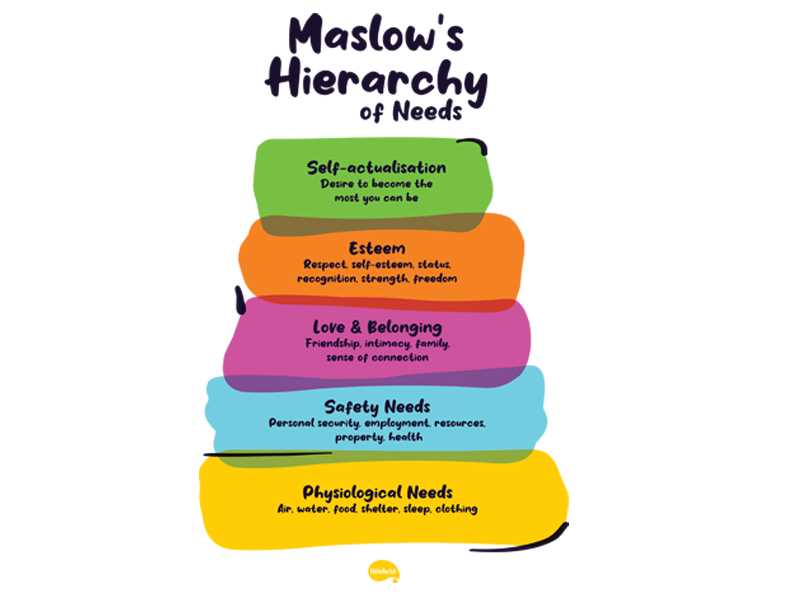
Consider printing out a pyramid diagram for personal growth. It’s an effective way to visualize and track progress across various aspects of your well-being. Create a chart that showcases the fundamental categories, starting with physical needs at the base and moving upward to social connections, emotional stability, and self-fulfillment. You can use a simple layout to make the steps clear and actionable.
Each section of the diagram should be distinct. At the foundation, list items like shelter, food, and rest, which are the most immediate priorities. By clearly marking these on your printed sheet, you can focus on maintaining these essentials before considering other areas.
The second tier involves safety and security, which could include financial stability, health, and protection. This layer is key for long-term balance, and having it on paper can serve as a reminder to address both short-term and long-term concerns regarding personal safety.
Next, focus on the relational elements. In the third section, identify how relationships impact your mental and emotional states. Make a note of people who positively affect you and the activities that foster meaningful interactions. Regularly review this section to assess the strength of these bonds and their role in your happiness.
The next level up should be about self-worth and achievement. Set specific goals in areas such as career progression, personal hobbies, or mastery of new skills. Highlighting these accomplishments on your chart can help keep motivation high and guide daily actions toward personal advancement.
The final peak is about realizing your full potential. This layer should include aspirations such as pursuing passions, creating meaningful contributions to the community, or becoming the best version of yourself. Place your most ambitious goals here, and update them as you achieve milestones.
By regularly reviewing this pyramid, you can gauge where you stand in different areas of your life. The printed structure serves as a constant reminder to balance all aspects of your well-being and progress steadily toward self-actualization.