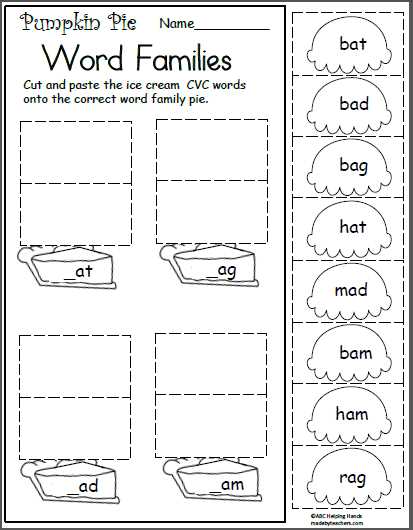
Select phonics pattern sheets that focus on one rime at a time, such as -at, -ig, or -op, and limit each page to 6–10 target examples. This keeps young readers from guessing and encourages sound blending. For beginners, choose materials with large lowercase text, clear spacing between items, and simple pictures that directly match each term.
Use these phonics pattern pages in short daily sessions of 5–8 minutes rather than long drills. Consistent repetition with the same letter chunk helps children recognize spelling patterns faster and improves decoding during guided reading. Pair each worksheet with oral practice–have the learner read the list aloud, circle matching endings, and write two new examples independently. This structured routine builds automatic recognition and supports steady reading progress.
Word Family Printable Worksheets to Strengthen Early Phonics and Reading Skills
Choose phonics pattern pages that isolate one rime per sheet and include no more than 8 target examples. Materials built this way help beginners focus on sound blending rather than guessing from pictures. Use large, clear lowercase text and keep visual cues simple so the learner’s attention stays on letter patterns.
Build each practice session around three quick actions that reinforce decoding:
- Read the pattern list aloud twice at a steady pace
- Circle items that share the same ending chunk
- Write two new matching examples from memory
This routine typically fits into a 7-minute block and works well for daily repetition.
Rotate phonics sets every 4–5 days instead of switching daily. Short cycles give young readers time to recognize spelling chunks automatically. Track progress by timing how long it takes the learner to read a row of six items; many students show noticeable speed gains after three focused sessions on the same pattern.
Add simple fluency boosters after worksheet practice:
- Use flashcards with the same rime for one-minute drills
- Ask the child to build matching terms with letter tiles
- Read a short decodable sentence using the target chunk
Combining paper practice with hands-on work strengthens retention.
Store completed sheets in a review folder and revisit them weekly for quick rereads. Spaced repetition prevents forgetting and supports smoother decoding during guided reading. Keep sessions brief, consistent, and focused on one spelling chunk at a time for steady skill growth.
How to Choose Word Family Sets That Match Early Reading Levels
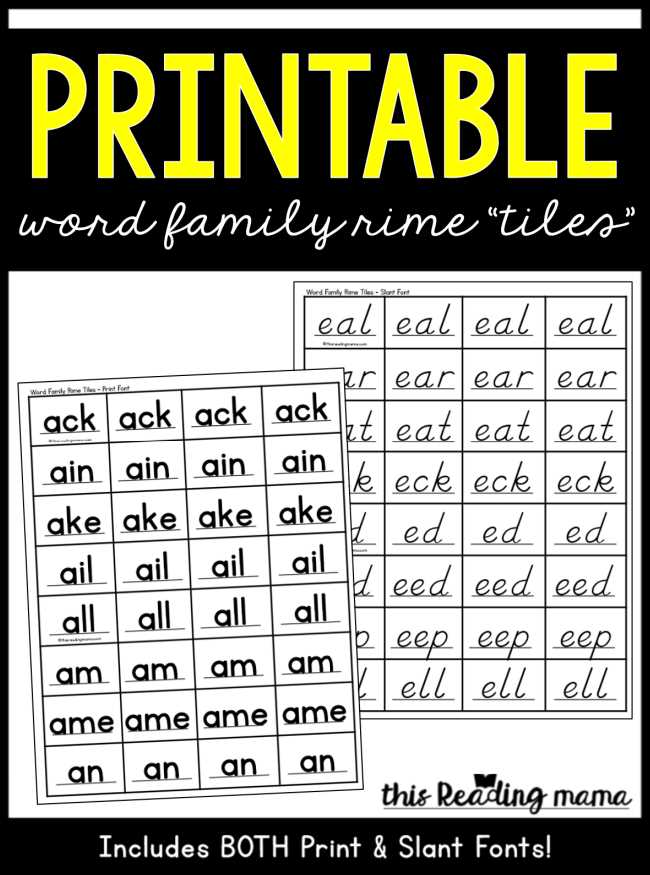
Select phonics pattern groups based on the learner’s current decoding accuracy, not grade placement. If a child reads fewer than 7 out of 10 simple CVC items correctly, choose sets with short vowel endings like -at, -in, or -op. These patterns appear frequently in beginner texts and build quick recognition.
Check text complexity before assigning any sheet. A suitable match usually includes:
- No more than one new spelling chunk per page
- Clear lowercase fonts at least 16–18 pt
- Picture cues that directly match each example
- A maximum of 6–8 practice items
Materials that exceed these limits often slow early readers and increase guessing.
Use running records or quick reading checks every two weeks to adjust difficulty. If the learner reads the pattern list smoothly in under 20 seconds, move to a slightly more complex ending such as blends (-st, -nd) or long vowel teams. If hesitation appears on more than two items, return to a simpler group for additional repetition.
Avoid mixing multiple rimes on one worksheet during the first stages. Young readers benefit from tight focus on one spelling chunk until recognition becomes automatic. Once accuracy stays above 90 percent across three sessions, combine two related patterns on review pages.
Track progress visually with a simple chart showing date, pattern practiced, and reading speed. Consistent data helps adults select the next phonics set with precision and prevents jumping ahead too quickly.