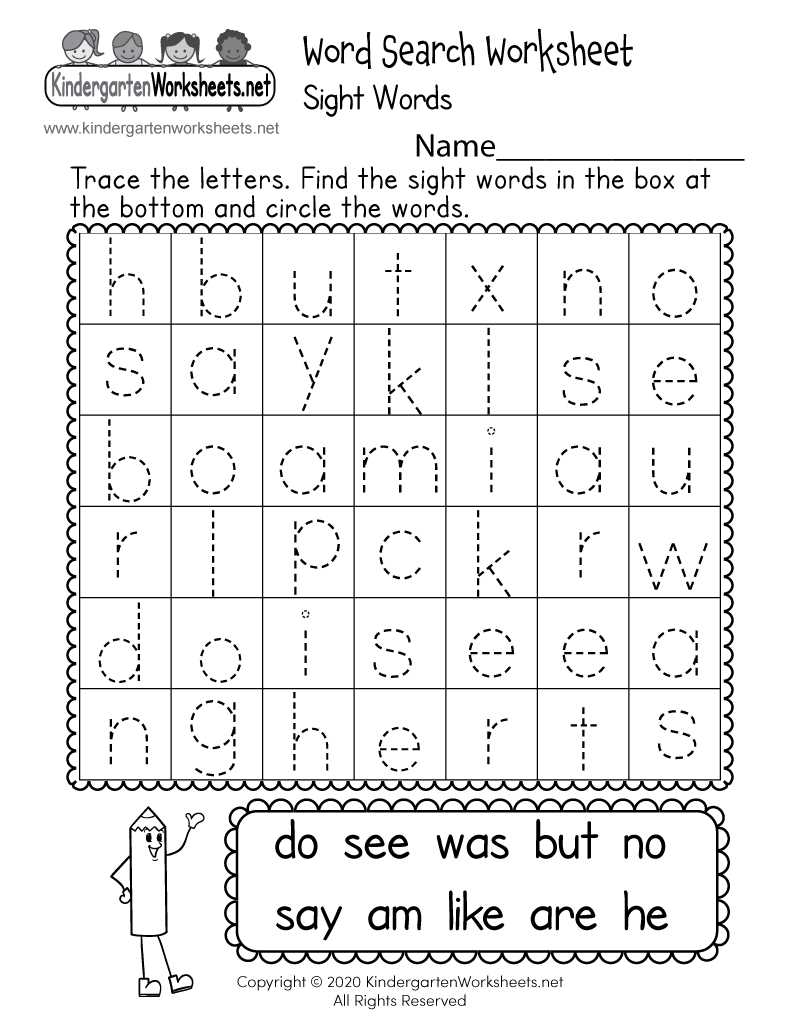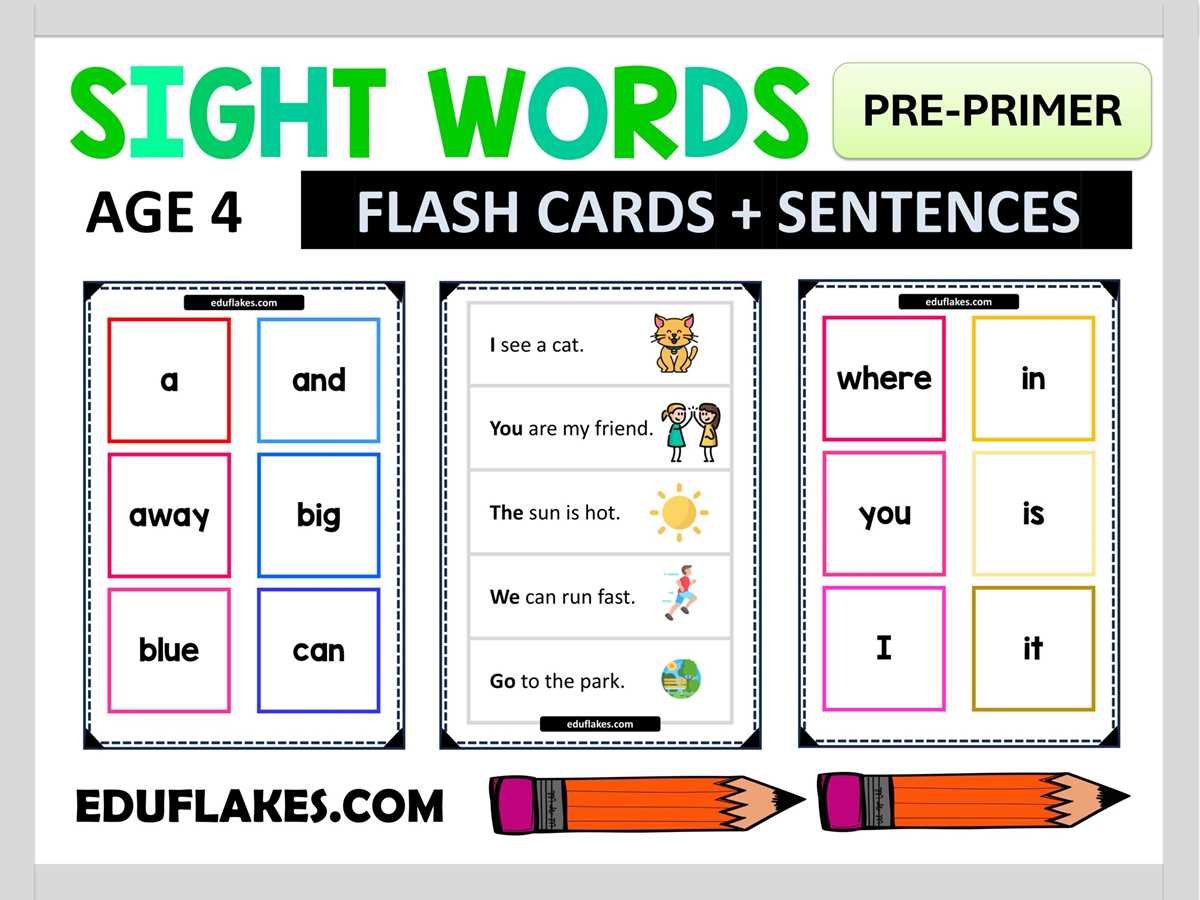
Use short high-frequency reading sheets in 5–7 minute sessions each day to build automatic recognition quickly. Focus on batches of 5–8 target terms per week rather than long lists; this keeps practice focused and measurable. For kindergarten learners, aim for at least three repetitions per session using tracing, reading aloud, and quick matching tasks.
Choose no-cost ready-to-print learning pages that present one focus term per line with large 36–48 pt text. This size supports early readers who still track with a finger. Pair each sheet with a quick oral check: if a child hesitates longer than two seconds, keep that item in the next review cycle. Consistent short practice blocks outperform long weekly drills.
For best results, rotate activity types across the week–trace on Monday, highlight on Tuesday, build with letter tiles on Wednesday. This variation strengthens recall without overwhelming beginners. Keep total daily practice under 10 minutes to maintain attention and steady progress.
Sight Word Free Printables for Early Reading Practice and Fluency
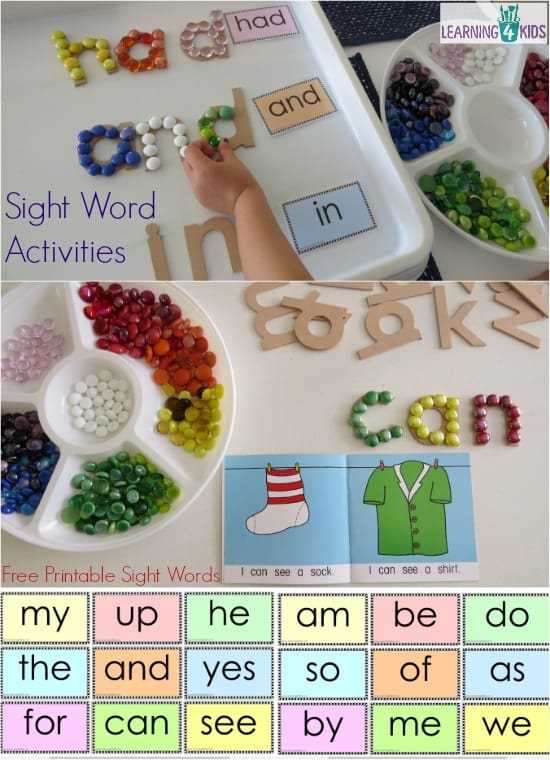
Use short high-frequency reading sheets daily in blocks of 5–8 minutes to build automatic recognition. Limit each page to one focus term repeated 6–10 times in large font (36 pt or bigger). This layout helps beginning readers track visually and reduces guessing. Pair each page with quick oral reading to confirm accuracy.
Rotate task types across the week to strengthen recall. Combine tracing, highlighting, and simple sentence reading rather than repeating the same activity every day. For example, schedule tracing on Monday, color-coding on Tuesday, and phrase reading on Wednesday. This structured variety improves retention without increasing workload.
Choose black-and-white practice sheets with clean spacing between lines–at least 0.75 inches. Young learners need room for finger tracking and writing attempts. Avoid crowded designs or decorative fonts, which slow recognition speed and create visual confusion.
Track progress with a two-second rule. If the learner cannot read the target term within two seconds, keep it in the next review set. Once recognition becomes immediate across three separate sessions, replace it with a new item while still reviewing the old one twice weekly.
Keep total weekly volume manageable: 20–30 high-frequency terms per month is a realistic pace for most early readers. Consistent short practice paired with varied low-cost worksheets leads to steady fluency gains without frustration.
How to Choose Sight Word Lists by Grade and Skill Level
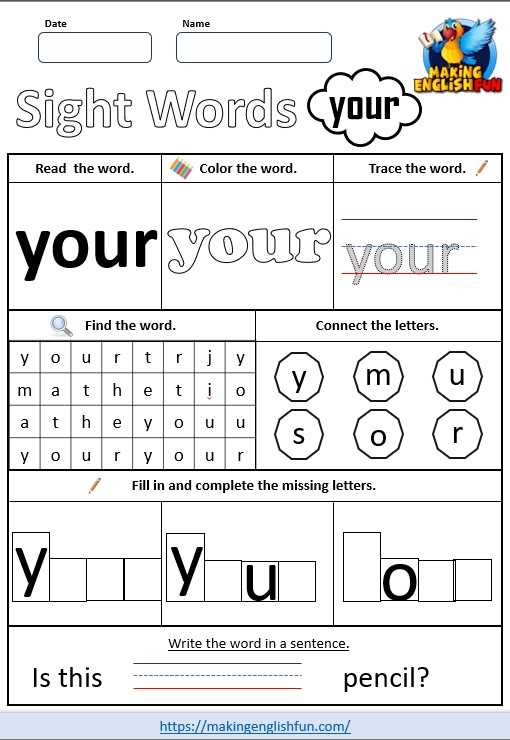
Match the list to the learner’s actual reading performance, not just the classroom grade. Run a quick check: show 20 high-frequency terms and count how many are read correctly within two seconds. If accuracy is below 70%, move to an easier set; if above 90%, advance to the next level.
Use grade bands as a starting filter but refine using decoding ability. Many kindergarten readers handle only 10–15 common terms, while strong first graders may manage 80 or more. Keep the working set small enough to review daily without overload.
Follow a structured progression rather than random selection:
- Pre-K to early kindergarten: 5–15 core high-frequency items
- Late kindergarten: 25–40 items with simple sentence use
- First grade: 75–120 items across mixed review pages
- Second grade: 150+ items with fluency passages
Group terms by visual similarity to prevent confusion. Avoid teaching look-alikes in the same week. For example, separate pairs such as was/saw or there/where across different review cycles. This spacing reduces reversal errors.
Check reading speed, not just accuracy. A learner who reads correctly but hesitates longer than two seconds still needs practice at the current level. Automatic recognition is the goal, so track both metrics during weekly reviews.
Adjust the list size based on attention span. Younger learners handle sets of 3–5 new items per week, while older beginners can manage 8–12. Expanding too quickly often leads to guessing and weak retention.
Revisit mastered items on a spaced schedule–after 2 days, 1 week, and 1 month. This pattern keeps recognition stable while new material is introduced, supporting steady reading growth without overload.