Start by downloading the template for the body outline activity. This simple tool is a great way to engage kids in learning about human anatomy through hands-on interaction. It helps improve motor skills, problem-solving abilities, and memory by assembling body parts in the correct order.
To make the most out of this resource, print the outline on sturdy paper. If you want to enhance the experience, consider cutting the body pieces out individually, so they can be pieced together like a real-life jigsaw. This allows for both a fun challenge and an educational opportunity for young learners.
Additionally, you can find a variety of these resources online, offering different difficulty levels and designs. From simple outlines for beginners to more complex models for advanced learners, these templates can suit a range of educational needs. Many of these come with additional facts about the human body that will enrich the learning experience.
Skeleton Puzzle Printable
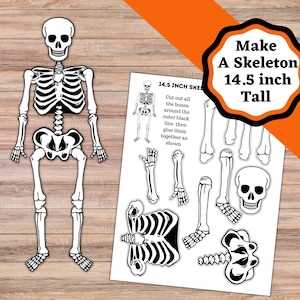
Begin by choosing a design that matches the level of difficulty suited for your audience. For younger learners, choose simpler outlines with fewer pieces. For older students or those with more experience, consider more detailed templates with smaller pieces to assemble.
Make sure to print the design on thick paper, as it will be more durable and easier to cut. Laminating the pieces can also increase their longevity, especially if you plan to reuse the activity multiple times. This approach is ideal for classrooms or homeschooling setups.
If you want to add a more educational element, use colored pencils or markers to fill in certain body parts. For example, you could color the bones in white, muscles in red, and joints in blue, helping students visualize how the body is organized and how the pieces fit together.
Another idea is to turn the activity into a timed challenge, where participants have to assemble the pieces as quickly as possible. This introduces a fun, competitive element that can keep learners engaged and focused on completing the task.
If you have multiple kids participating, break them into teams and have each team work on different parts of the body. Once they complete their sections, they can swap pieces and try to complete another team’s work, which helps with collaboration and communication skills.
Some designs also come with labels or a key, so learners can write down the names of the bones or body parts as they assemble the figure. This is especially useful for reinforcing anatomical knowledge and learning terminology.
Lastly, these resources can be used not only in educational settings but also as fun, hands-on activities at home. They provide an engaging way for children to interact with anatomy while developing problem-solving and fine motor skills through a simple, enjoyable task.
How to Create a Printable Skeleton Puzzle for Kids
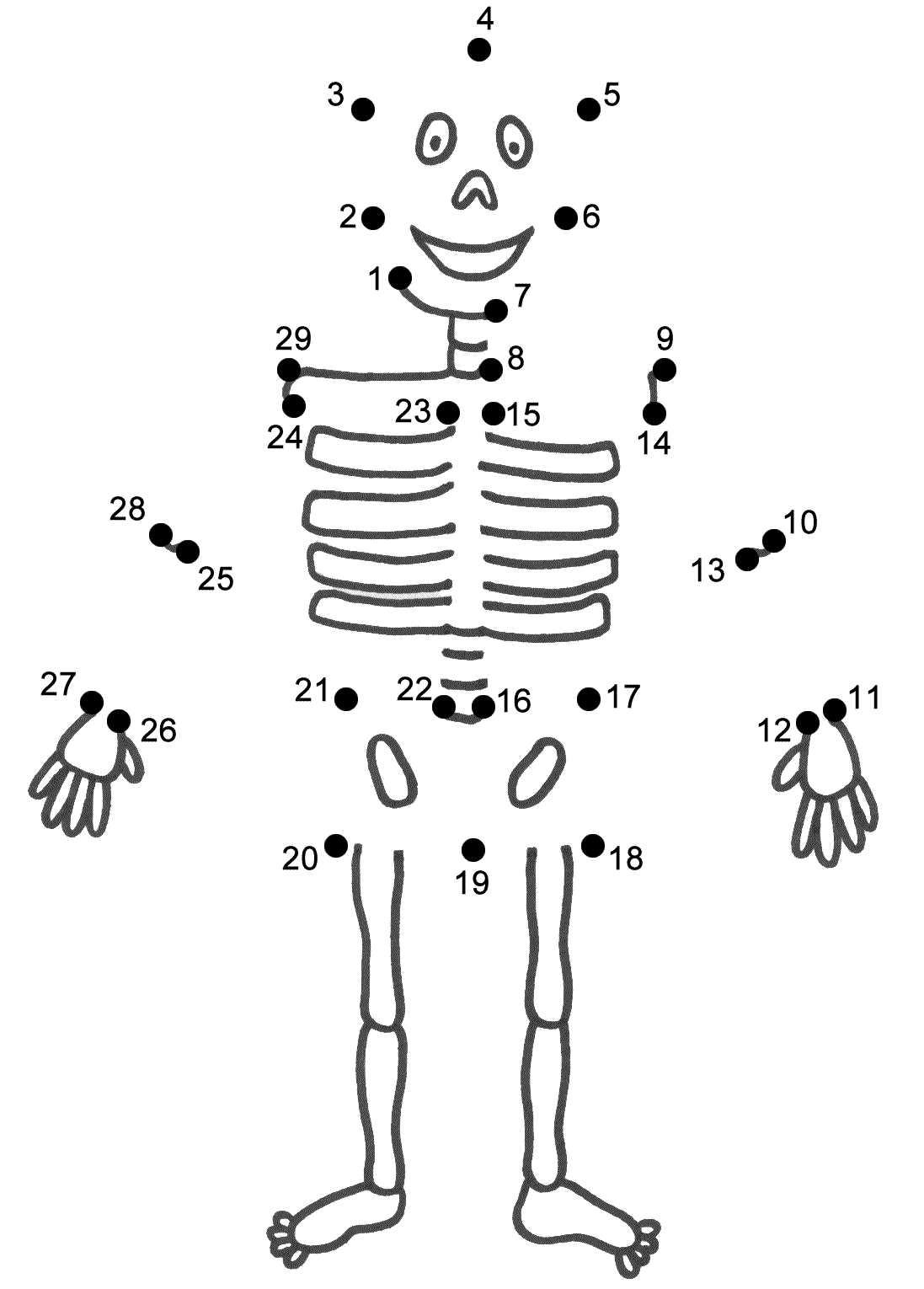
Start by selecting a clear and simple design for the body outline. Draw a basic human figure with easily recognizable shapes for the major body parts. Simplify the body sections, such as the head, torso, arms, and legs, so children can easily identify and match the pieces.
Use a digital drawing tool or software to create the pieces. Divide the figure into several sections that will fit together to form the complete body. Each section should have a specific shape that makes it easy for kids to identify where it belongs.
For an educational touch, label each part of the body, such as the head, spine, ribcage, arms, and legs. This will help children learn the names of the body parts as they work on assembling the puzzle. Make sure to choose large, legible fonts for the labels to ensure visibility and readability.
Once the figure and sections are ready, print them out on sturdy paper to ensure the pieces hold up during use. You can also laminate the printed design to add durability, especially if it will be reused frequently.
Cut out the individual body sections, keeping the edges smooth to avoid sharp points. If you’re using this as a classroom activity or group exercise, create multiple copies to distribute to different students.
Finally, consider offering variations of the puzzle. For example, create different levels of difficulty by using more or fewer pieces, or include color-coded sections to help guide the kids during assembly.