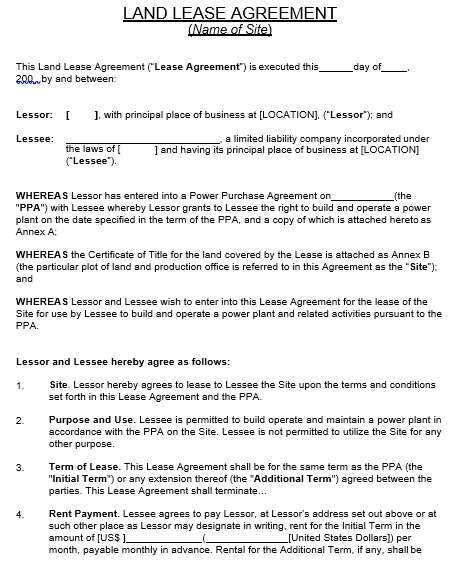
When leasing land for hunting activities, having a well-structured contract ensures clarity and avoids conflicts. Whether you’re a landowner or a hunter, outlining responsibilities and expectations is crucial. Here’s a practical approach to creating a formal contract that addresses key elements necessary for both parties.
Key Sections to Include in the Contract
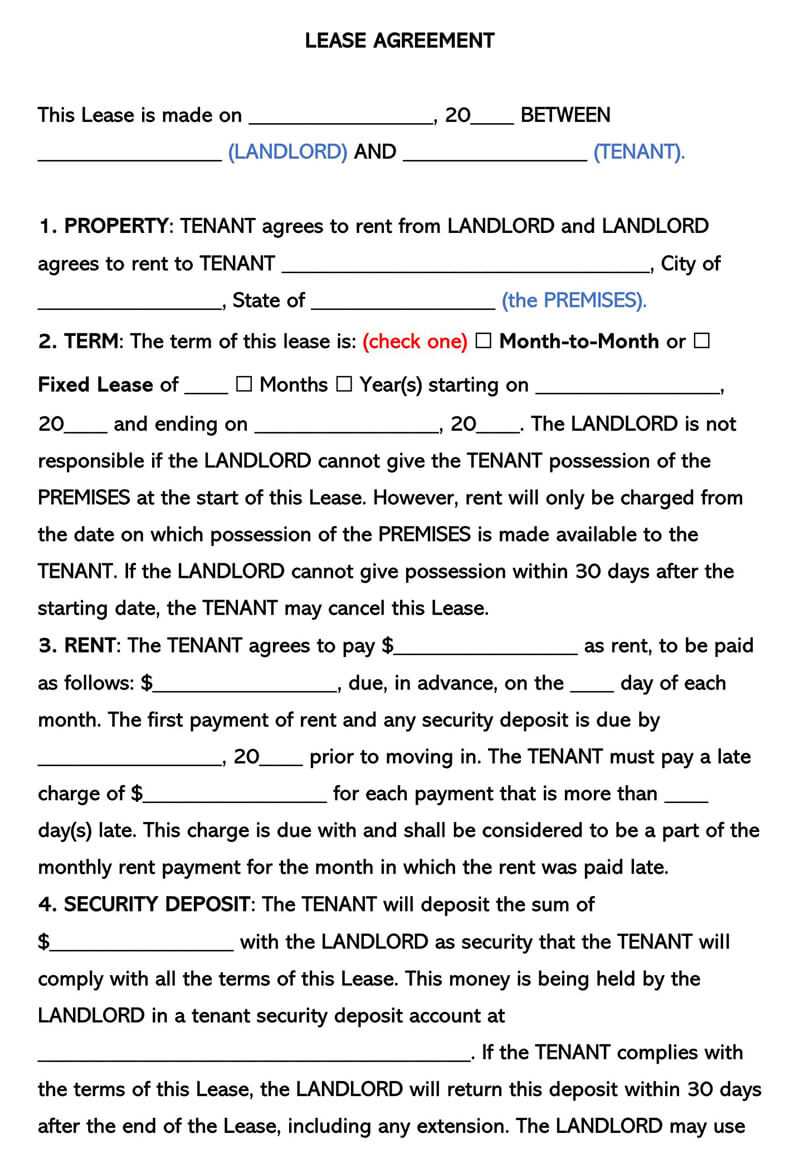
Before drafting any contract, it’s important to address specific details that protect both parties involved. These include:
- Parties Involved: Clearly list the names of the lessor (landowner) and lessee (hunter).
- Property Description: Include accurate details about the location and boundaries of the land being leased. This can help avoid confusion regarding the property’s limits.
- Duration of Use: Specify the time period the property will be rented, including start and end dates. Include any renewal or extension terms if applicable.
- Rental Payment: Outline payment amounts, due dates, and the method of payment. Also, detail any penalties for late payments.
Rules and Restrictions
Clear guidelines help avoid misunderstandings about what is allowed on the property. These should include:
- Permitted Activities: Define what types of activities are allowed (e.g., hunting, trapping, or camping).
- Prohibited Actions: List any activities that are not permitted, such as off-road driving or leaving behind trash.
- Access Rights: Specify who may access the property, including any guests or sublessees. Ensure that access terms are clear to prevent unauthorized entry.
Liability and Insurance
It’s important to include clauses related to responsibility and safety. Both parties should understand their obligations in the event of an accident or damage.
- Liability for Injuries: Indicate that the landowner is not responsible for injuries sustained by the lessee or their guests during their time on the property.
- Insurance Requirements: Include any insurance requirements, such as liability coverage for hunters or property damage protection.
Termination and Dispute Resolution
In case of disagreements or the need to end the contract early, it’s important to have a clause that specifies the process.
- Termination Terms: Specify under what conditions either party may terminate the agreement early, such as breach of contract or failure to pay.
- Dispute Resolution: Outline steps for resolving conflicts, such as mediation or arbitration, before pursuing legal action.
Final Thoughts
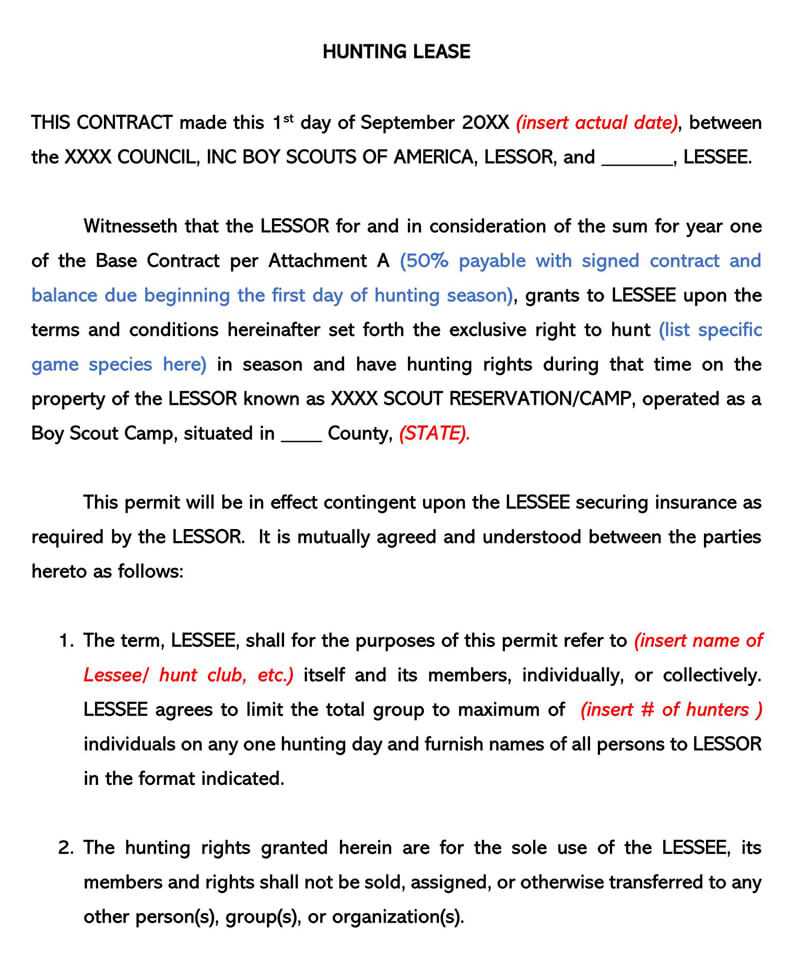
Having a clear and detailed contract in place will minimize the risk of future disputes and ensure that both parties are on the same page. Both hunters and landowners should review their agreements regularly to keep terms current and fair.
Creating a Simple Land Use Contract
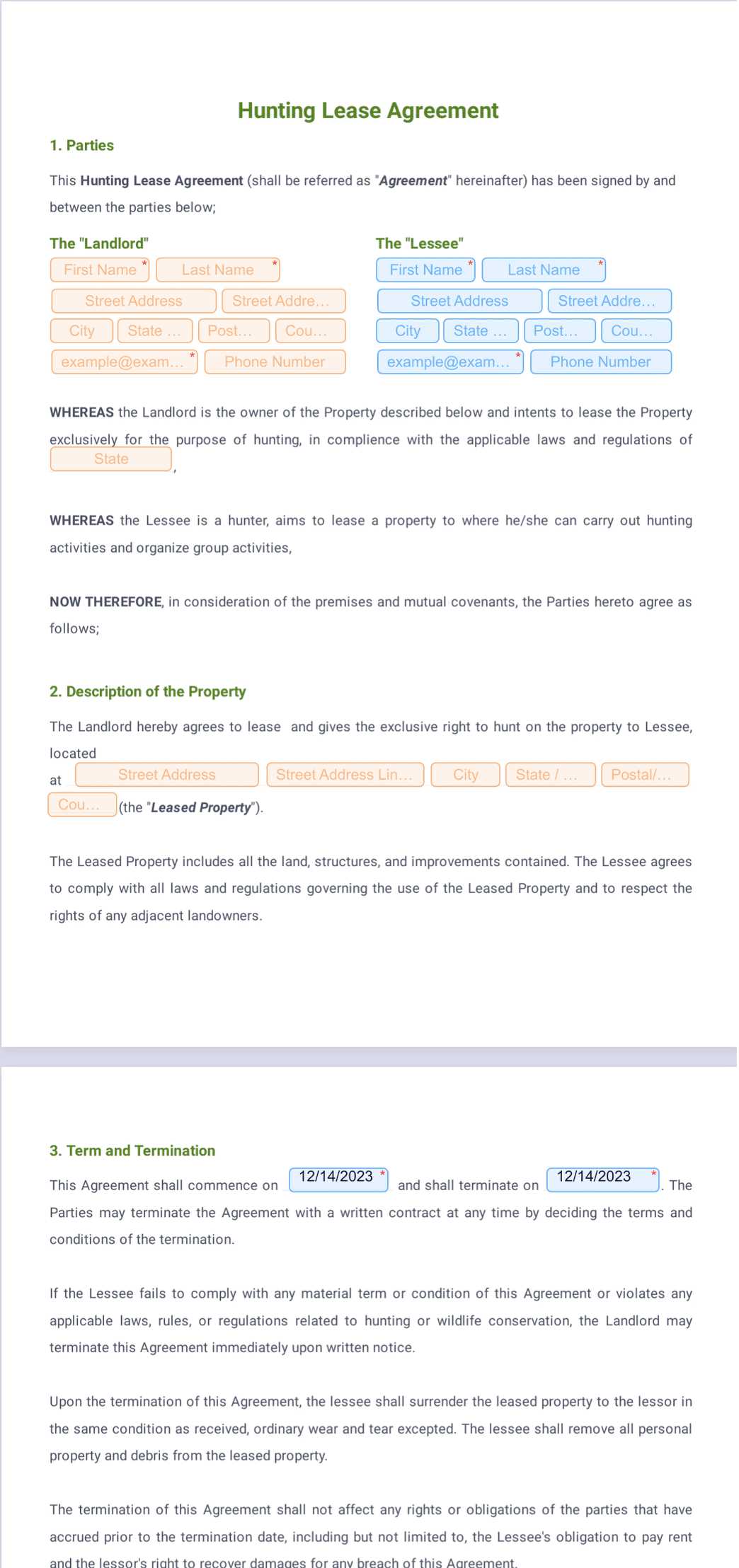
To craft a robust agreement for land usage, it’s crucial to clearly define the expectations of both parties. Outline the specific duration of access, the area allowed for use, and any restrictions that apply to the property. For example, you should specify whether only specific types of activities are permitted, such as fishing, camping, or access to certain areas. Detail any requirements for maintenance or upkeep of the land, as well as measures to ensure the environment is respected.
Ensure that all parties are aware of the financial obligations tied to the agreement. This includes any payments, the method of payment, and the due dates. Additionally, highlight any conditions under which the agreement can be terminated, such as failure to meet the terms or causing damage to the property. Both sides must be aware of the dispute resolution process in case issues arise during the term.
Lastly, include clauses about insurance coverage or liabilities, ensuring that both parties are protected. Having clear definitions regarding the responsibilities of each party helps avoid confusion. It’s advisable to have a witness or legal professional review the document to guarantee that the terms are legally sound and enforceable.