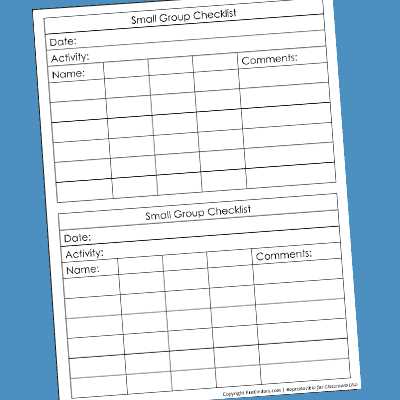
To better understand a child’s development, teachers and parents can use structured tools that track progress in areas like literacy, numeracy, and motor skills. These resources can be easily adapted and are helpful for pinpointing areas that require additional support. Focus on providing clear, straightforward activities that are both engaging and informative. For example, exercises that involve matching shapes or identifying numbers are excellent for assessing early learning stages.
Creating Custom Templates for Developmental Monitoring
Designing specific templates for monitoring progress ensures that each child is assessed in a way that fits their unique growth. Templates should be simple to use, with clear sections that highlight key developmental milestones. For instance, a template that tracks fine motor skills can include activities such as drawing simple shapes or cutting paper. In contrast, a literacy-focused template might assess word recognition or phonemic awareness.
Customizing for Individual Needs
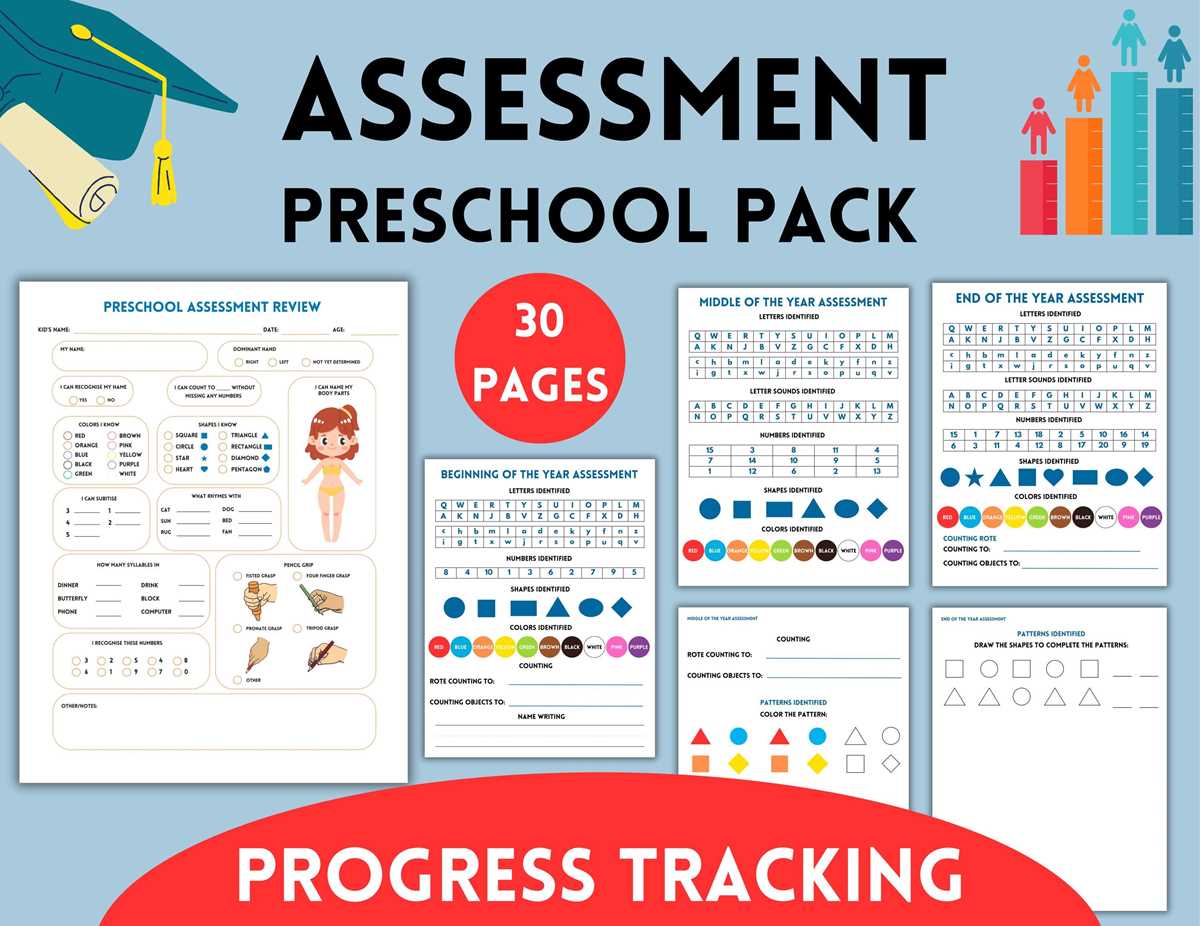
Each child will have different strengths and challenges. Consider offering variations of the same activity to accommodate various skill levels. For example, some children may excel at pattern recognition, while others might need more support in that area. A flexible template allows for such customization, ensuring that every child’s abilities are measured appropriately.
Tracking Progress Over Time
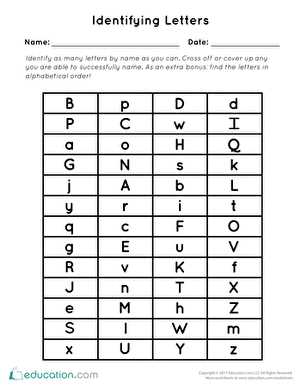
Incorporating periodic evaluations into the template allows for tracking growth over time. By reusing the same tool at different intervals, you can observe changes and improvements. For example, a simple drawing task repeated every few months can show how a child’s fine motor skills are progressing, providing valuable insights into their development.
Benefits of Using Structured Evaluation Tools
Using structured tools to track early childhood development offers a clear understanding of where children stand in terms of their cognitive and motor skills. These tools provide a basis for determining whether a child needs additional help in certain areas. The data gathered helps parents and educators make informed decisions regarding educational strategies and support systems that will benefit the child the most.
Utilizing Tools for Evaluating Early Childhood Skills
To monitor a child’s development, use targeted worksheets that assess fundamental areas like language, motor coordination, and cognitive abilities. These tools can help determine how well children understand concepts like colors, shapes, and basic numbers, allowing for a better grasp of their current learning level. Start with simple activities that match their abilities and gradually increase complexity as they progress.
For tracking language skills, use worksheets that feature matching words with pictures or simple sentence completions. These tasks help evaluate vocabulary knowledge and understanding of syntax. Children can be encouraged to name common objects and identify their corresponding words. This provides insight into their verbal abilities and comprehension.
Fine motor skills can be assessed through drawing, cutting, and connecting activities. For example, worksheets with shapes that children can trace or circles they can connect help determine their dexterity. These types of tasks focus on their hand-eye coordination and precision. Tracking improvement in these areas over time helps educators and parents understand if additional practice is necessary.
Incorporating counting activities into the worksheets aids in assessing numeracy skills. Simple counting exercises, where children match numbers with corresponding objects or sequences, provide a way to evaluate their understanding of quantities. Tracking how well children can recognize numbers and their ability to count objects builds a foundation for future math skills.
Another important aspect to evaluate is attention and focus. Tasks that require children to stay on one activity for an extended period, such as coloring a picture or completing a pattern, provide a good indicator of their ability to stay engaged. This also helps assess whether they can follow instructions and complete tasks independently.
Customized worksheets can be tailored to meet the needs of each child. By adjusting the level of difficulty, you can ensure that the activities are appropriate for a child’s developmental stage. For example, younger children can focus on basic shapes and colors, while older children can work on simple addition and subtraction problems.
Repetition of these activities over time will give a clearer picture of a child’s progress. Tracking these milestones at regular intervals helps identify areas that need further attention and provides valuable data for parents and teachers to adjust their approach. Keep records of completed worksheets to compare and monitor improvements as they occur.