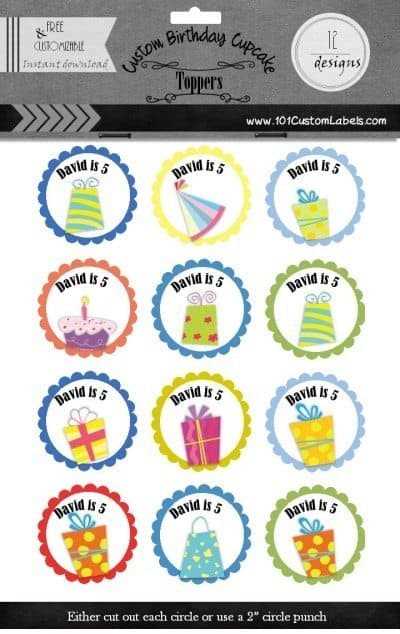
Choose a design that fits the theme of your celebration. Whether it’s a birthday, wedding, or other special occasion, a decorative piece for your dessert can add a personal touch. Select a template that aligns with your event’s colors or motifs, such as flowers, geometric shapes, or symbols that reflect the guest of honor’s interests.
For best results, print the design on sturdy paper or cardstock. This will give your decoration more durability and make it easier to handle during assembly. If you want to enhance the design, consider using glitter, metallic pens, or other embellishments to add texture and visual interest.
Once printed, carefully cut out the design. You can use scissors for straight edges or an X-Acto knife for more intricate details. Be sure to leave enough space for a stick or holder to secure the piece to your dessert. You can use wooden skewers, straws, or plastic rods to mount your decoration safely on top.
Creating Your Own Decorative Dessert Designs
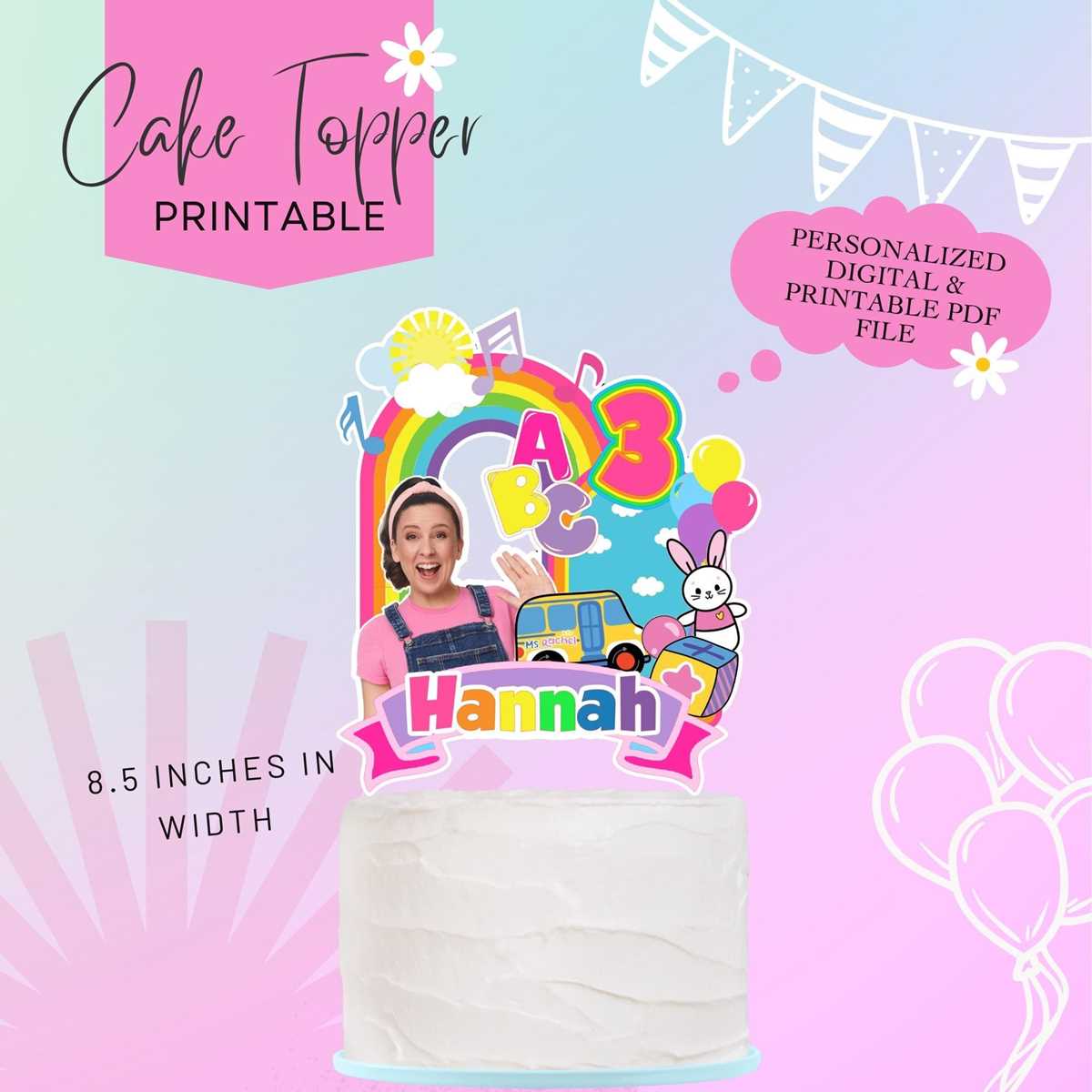
Start by selecting a design that complements the occasion. For a birthday, consider a themed graphic, such as balloons, candles, or a favorite character. For a wedding, a simple floral motif or initials can make a tasteful addition. Ensure the design fits the size of your dessert by adjusting its dimensions before printing.
Print your chosen image on high-quality, thick paper to ensure sturdiness. Cardstock works well for this purpose, providing durability and support when handling the decorative piece. If you want the design to have a more polished look, consider using glossy paper, which adds a refined finish to your decoration.
After printing, carefully cut out the design with precision scissors or a craft knife. When trimming intricate edges, use a steady hand or consider using a template for easier cutting. Ensure that the edges are clean and smooth to create a professional appearance once the piece is displayed.
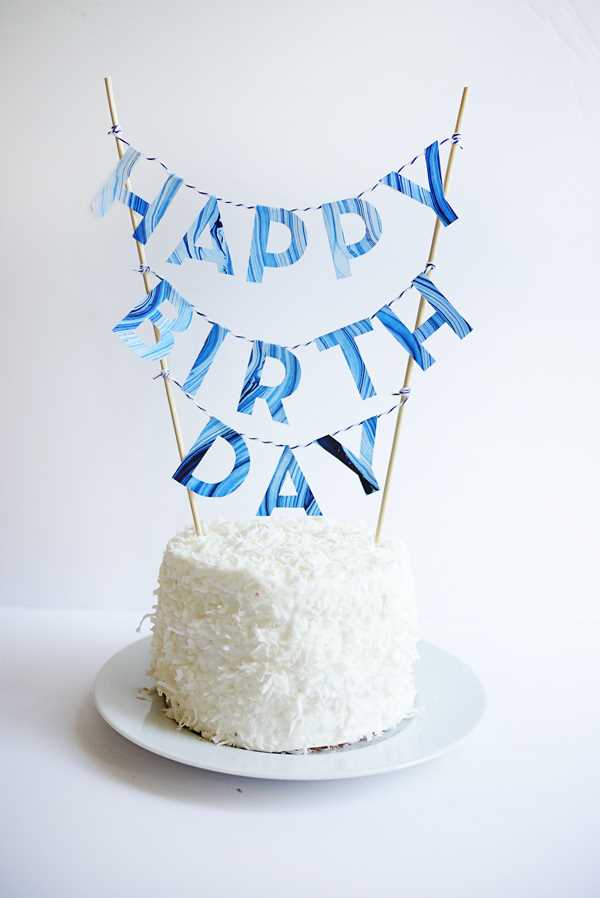
Consider adding layers for more depth. If your design is a simple silhouette or icon, you can create a more dynamic effect by layering multiple pieces on top of each other. Use foam adhesive strips to give the design a 3D effect that will stand out more when placed on top of your dessert.
To attach the decoration to your dessert, use a sturdy stick, such as a wooden skewer, a plastic rod, or a paper straw. Secure the design by gluing the stick to the back of the image. Make sure the glue is set properly before placing it on the dessert to avoid it falling off during the event.
If you want to add some sparkle, you can use glitter or metallic pens. Lightly brush the edges with glue and sprinkle glitter over the top, or use a metallic pen to outline the design. These small details will give your creation a unique, eye-catching finish.
Be mindful of the design’s color scheme. Choose colors that complement your dessert and the overall theme of the event. If you’re unsure about matching colors, stick to neutral shades like gold, silver, or white, which go well with almost any dessert theme.
Once the decoration is ready, carefully place it on the dessert. Position it gently so that it stands upright, ensuring stability. If your dessert is round, like a cake, you can position the decoration in the center or slightly off-center, depending on the visual balance you wish to achieve.
How to Choose the Right Template for Your Dessert Decoration
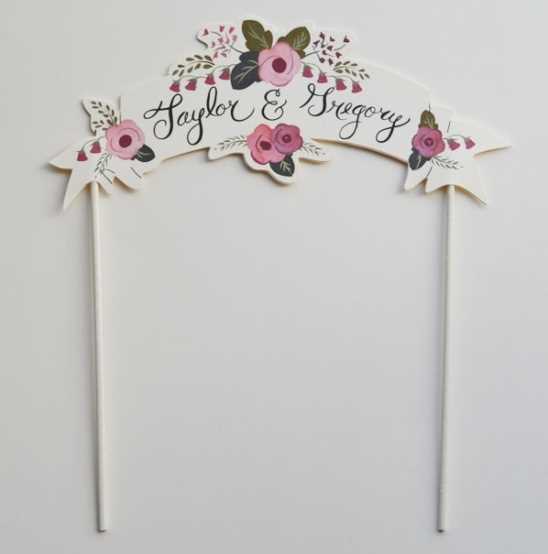
First, assess the theme of your event. For birthdays, choose playful or themed designs that reflect the interests of the guest of honor. For weddings, go with more elegant and simple designs, such as floral motifs or monograms. Ensure the design matches the atmosphere of the celebration.
Consider the size of the decoration relative to your dessert. If you are working with a smaller dessert, such as cupcakes or cookies, opt for a more compact design. Larger designs work better for cakes or larger pastries, where they can become a focal point.
Look for templates that offer customization options. Some templates allow you to add names, dates, or other personalized messages. Choose one that lets you modify the text to make the decoration unique to your event.
Choose a template that is easy to assemble. Some designs may be too intricate or require special tools. If you are short on time or experience, go for simpler, easier-to-assemble options that still look professional.
Check the resolution of the template. Ensure the file is high-quality, especially if you plan to resize the design. Low-resolution templates may appear pixelated when printed, so it’s crucial to select one that offers sharp details even at larger sizes.
Consider the complexity of the design. Simple, clean-cut designs tend to be easier to work with, while intricate ones may need more precise cutting. Think about your comfort level with craft tools and the time you have to complete the project.
Make sure the template is compatible with the materials you plan to use. Some designs may require thicker paper or specialty materials like acetate or foil. Ensure the template fits the material you have on hand, or be prepared to make adjustments.
Finally, review user feedback or sample images. Many websites offer reviews of their templates, showcasing how others have used them. This can give you an idea of the final look and whether it matches your expectations before you begin the project.